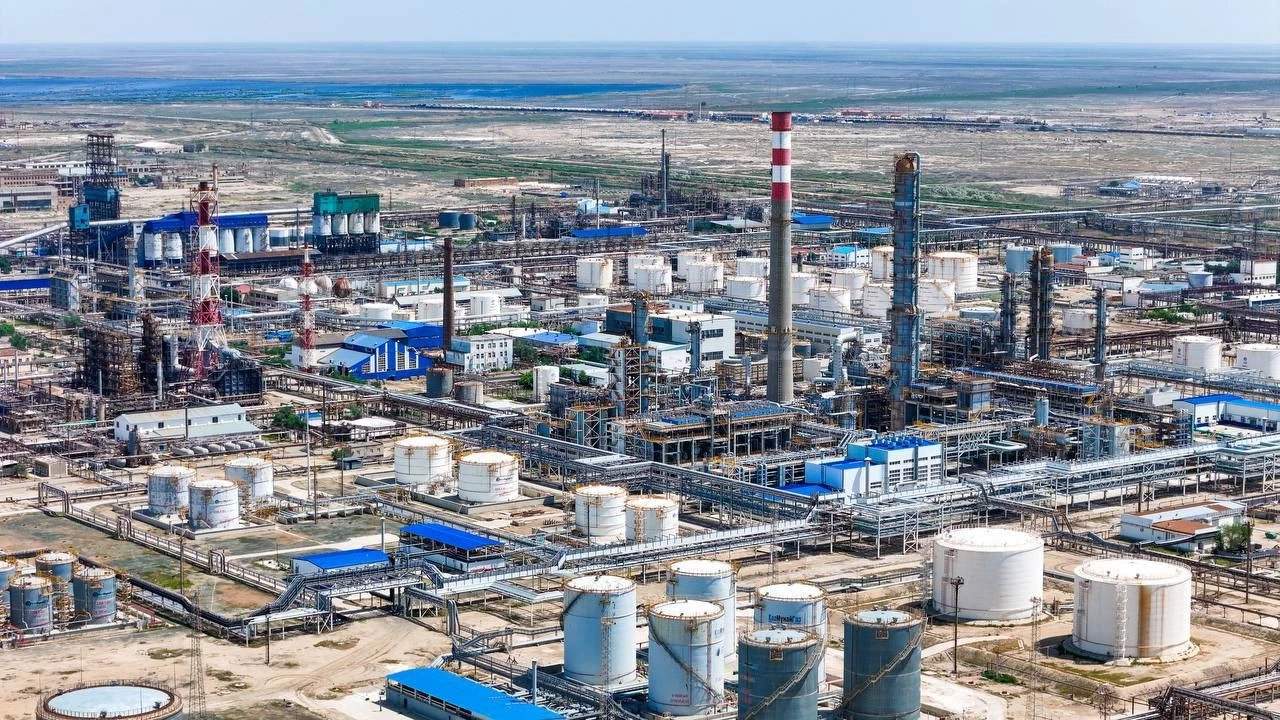
Russian Refineries' Daily Processing Volume Drops to 3.6 Million Barrels in July, Lowest in Over 20 Years
en.Wedoany.com Reported - Russia's oil refining volumes fell to their lowest level in over two decades in July. According to an analysis by Bloomberg, Ukrainian drone operations expanded from refineries to tankers, pipelines, and export infrastructure that month, leading to a significant decline in Russian crude processing.
In July, Russian refineries processed an estimated 3.6 million barrels per day on average, the lowest monthly level since May 2002 and roughly one-third below the seasonal average. Between 2020 and 2025, this figure typically ranged from 5.3 million to 5.6 million barrels per day during the same period.
That month, Ukraine attacked 18 Russian refineries, surpassing the previous record of 17 attacks in May. Targets included the Omsk refinery, which has a daily processing capacity of 440,000 barrels and is located more than 2,500 kilometers from the Ukrainian border, making it Russia's largest refinery. Additionally, Ukrainian drones struck five large tankers, five port infrastructure facilities, and two pipelines that month. According to Bloomberg's tally, Russian oil infrastructure suffered 30 attacks in July, the second-highest monthly figure since the full-scale outbreak of the Russia-Ukraine conflict.
Sergei Vakulenko of the Carnegie Russia Eurasia Center stated that in the first half of July, Ukrainian forces focused strikes on refineries, while in the second half they shifted to attacking tankers and export logistics facilities. Refinery attacks resumed in the final week, with three major plants hit in the last three days of July and four more over the weekend.
Facing a decline in domestic fuel production due to refinery shutdowns, Russia extended its export ban on most diesel and gasoline last week to prevent shortages. Meanwhile, reduced processing volumes have forced producers to export more crude oil, further straining ports and tanker fleets already disrupted by Ukrainian attacks.
Bloomberg data shows that in the week ending July 26, only four tankers loaded crude oil at Novorossiysk, compared to seven and eight in the two preceding weeks, respectively. Jorge Leon, head of geopolitical analysis at Rystad Energy, said Russia could redirect some crude to Baltic ports, but pipeline, storage, and tanker capacity would be insufficient to fully replace Black Sea export volumes.
Related Products


Industrial and Commercial Point-Type Gas Detector
Jinan Benan Technology Development Co., Ltd.
72.5kV 1250A 31.5kA SF6 free Gas-insulated Metal-enclosed Switchgear
Zhejiang Juhonkia Intelligent Electric Co., Ltd.

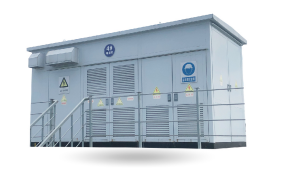
Smart Photovoltaic Prefabricated Substation
Shanghai Jinyou Jinhong Intelligent Electric Co., Ltd.


Hydraulic Turbine Genset
Dongfang Electric Corporation Dongfang Electric Machinery Co., Ltd.
G.652.D Wavelength-extended Non-dispersion Shifted Single-mode Optical Fiber
HONGAN GROUP CO., LTD.

KYN61-40.5 Indoor AC Metal-clad Removable Switchgear
Chongqing Transformer Co., Ltd.