Air Canada Eyes Direct Toronto–Lagos Route by 2027
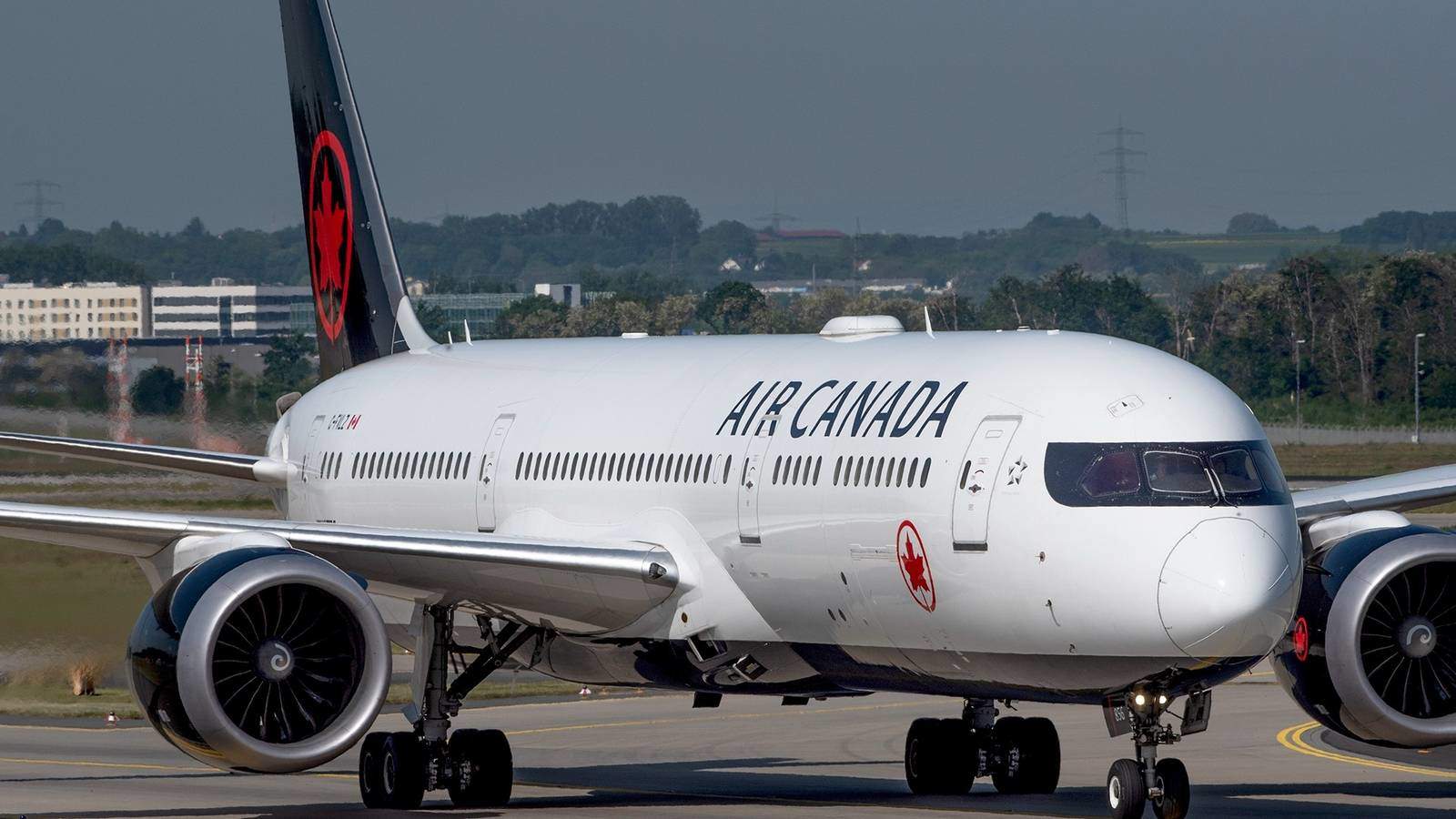
en.Wedoany.com Reported - Following the expansion of the bilateral air services agreement between Canada and Nigeria last week, Air Canada has signaled its intention to launch a direct route between Toronto Pearson International Airport (YYZ) and Murtala Muhammed International Airport (LOS) in Lagos, Nigeria, by 2027. The Star Alliance member has not yet officially announced the route; the statement coincides with the airline's decision to postpone the resumption of flights to Dubai and Tel Aviv, though the two matters are unrelated.
Toronto–Lagos is a route that has long lacked direct service despite considerable demand. According to data published on LinkedIn by Behramjee Ghadially, a senior network planner, African aviation expert, and industry commentator, the YYZ–LOS route carried 115,000 round-trip passengers last year, averaging 315 per day; across all airlines, cabins, and passengers, the average fare was US$624 one-way (including fuel surcharges). With no direct flights available, all passengers required connections, and Air France, EgyptAir, Ethiopian Airlines, KLM, and Royal Air Maroc collectively carried nearly 70 percent of travelers.
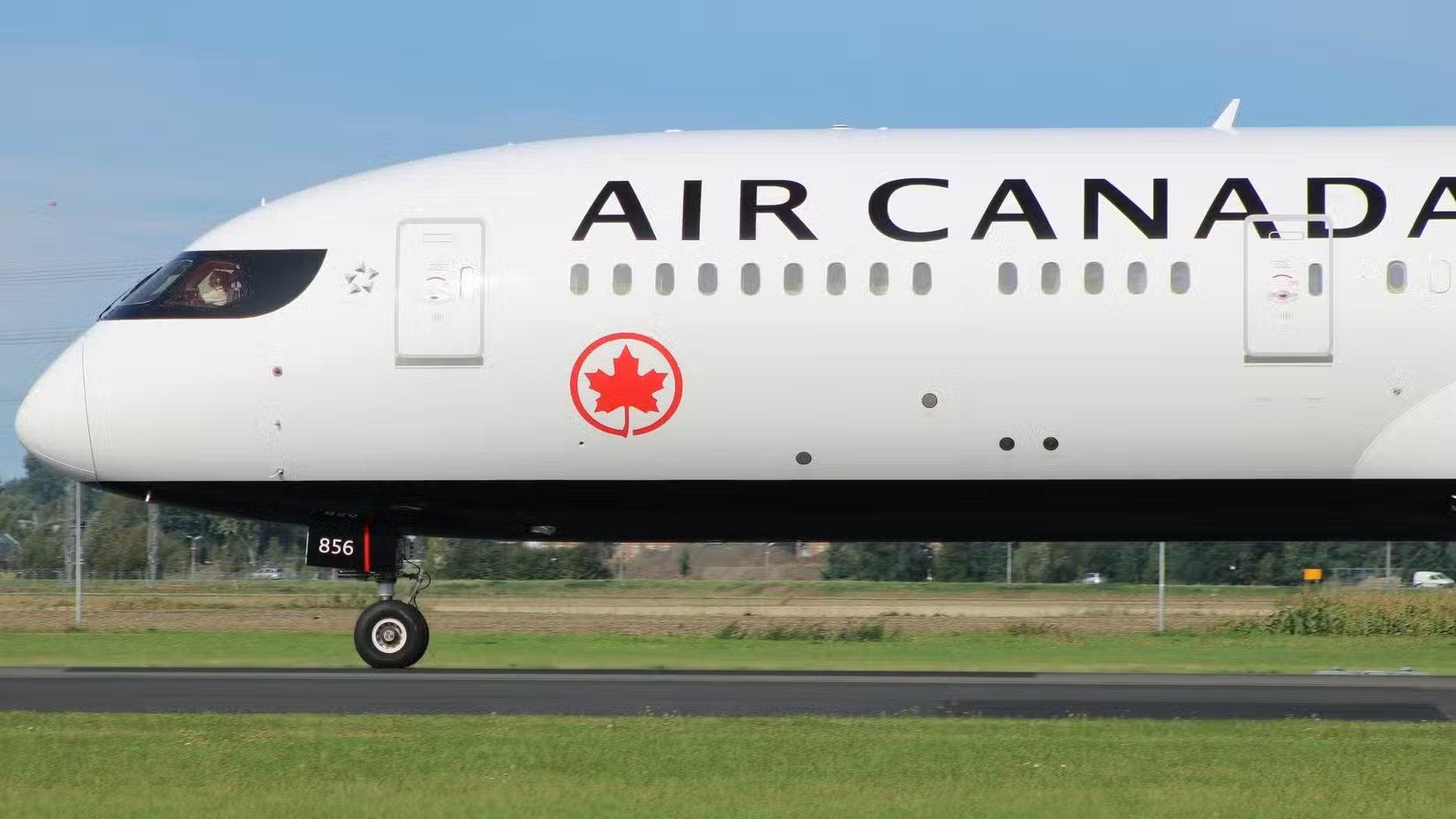
Ghadially noted that YYZ is "by far the largest point-to-point (local) passenger demand segment in the Nigeria–North America market," with traffic exceeding even that of New York. Delta Air Lines operates direct flights from John F. Kennedy International Airport (JFK) to LOS; United Airlines does not fly the Newark Liberty International Airport (EWR)–LOS route but continues to operate flights from Washington Dulles International Airport (IAD) to LOS. Should Air Canada officially launch the route, YYZ–LOS would become its only African route from YYZ. The airline's sole current African route is Montréal–Trudeau International Airport (YUL) to Casablanca, operated daily with an A330-300 (as of August 2026).
Traffic between other Canadian cities and Nigeria also represents a potential source of demand. Ghadially estimates that this segment accounted for 55,000 round-trip passengers in 2025, primarily from Calgary (20,000 round-trip passengers), Winnipeg (11,000), Edmonton (9,000), Montréal (8,000), and Vancouver (7,000). The connecting market via the United States is equally promising, with the top eight markets being IAD (85,000 round-trip passengers), JFK (82,000), Houston (54,000), Dallas (31,000), Chicago (21,000), Newark (26,000), Los Angeles (17,000), and Boston (14,000). Ghadially pointed out that Nigerians holding U.S. green cards do not require a transit visa when connecting through Canada.
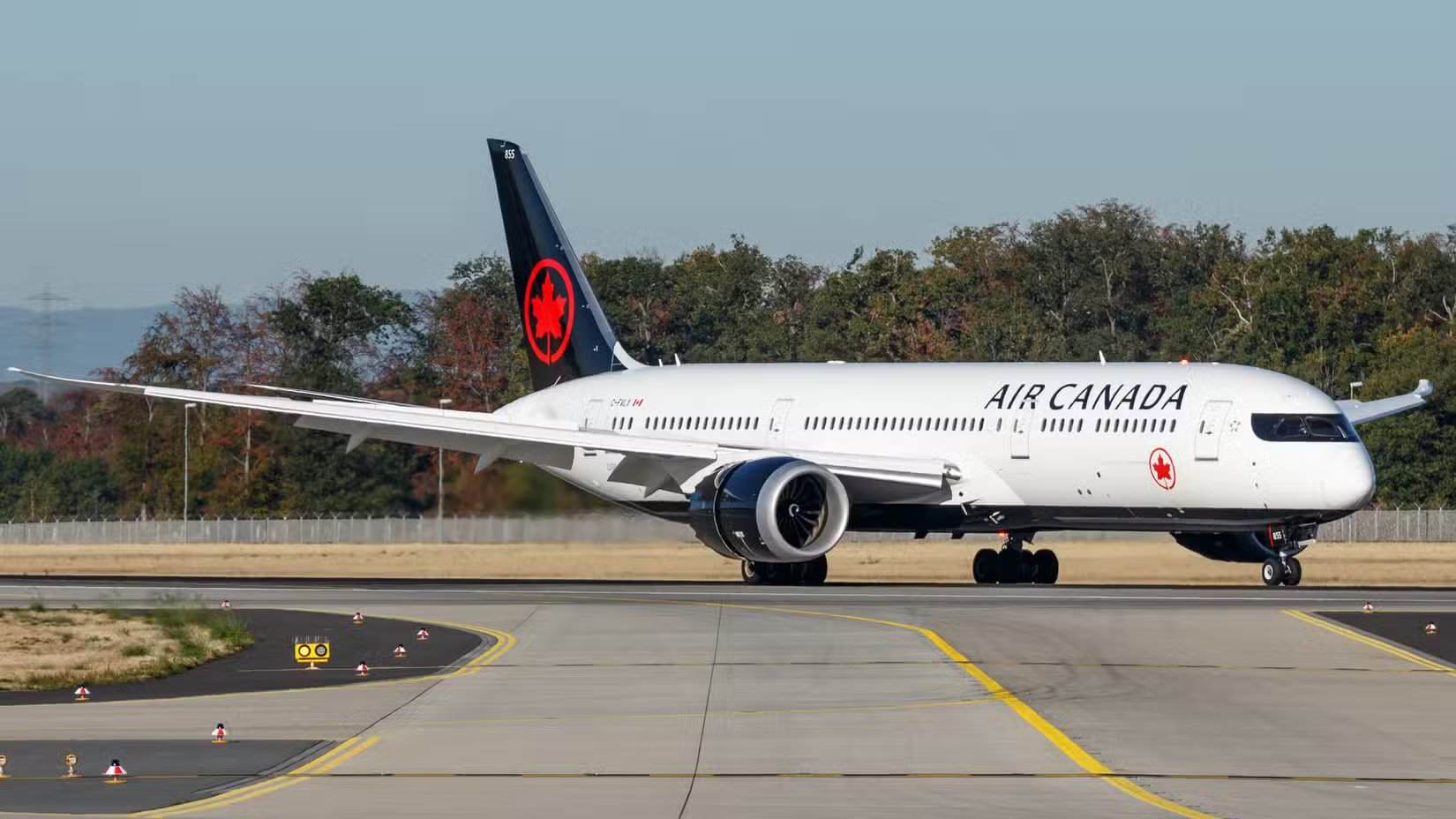
On the operational strategy, Ghadially recommends launching with a 298-seat Boeing 787-9 at three weekly frequencies—a common schedule for new long-haul routes—which would allow the route to be served with a single aircraft. During the peak winter season (early December to early January), the route could support four to five weekly 787 flights with strong yields. If Air Canada aims for a June 2027 launch, it would need to open bookings by February 2027, allowing ample time to build market awareness. A June launch would also align with Christmas travel demand that year, as most Nigerians tend to complete bookings by mid-August; Nigerian travelers typically carry three checked bags during off-peak seasons and four around Christmas and Easter, making excess baggage revenue a significant opportunity.
In 2026, Canada had originally planned its first direct flights to Accra, Ghana, operated by leisure carrier Air Transat from YYZ at twice weekly using the Airbus A330-200, with crews staying 26 hours in West Africa, but the route was canceled before its inaugural flight. In June 2026, Air Transat launched flights from YUL to Dakar, Senegal, and Agadir, Morocco, both routes based on Francophone demand and operated with the Airbus A321LR; for the upcoming winter, the Dakar route will see the A330-200 replace the narrowbody aircraft. This also marked the first time North America had flights to Agadir.
Related Products


Explosion-proof lithium battery dispatching monorail crane locomotive (permanent magnet frequency conversion integrated machine)
Xiangtan Hengxin Industrial Co., Ltd.

CLW5180TXSD6 Dongfeng Tianjin Washing and Sweeping Truck
ChengLi Special Automobile Co., Ltd.

Pantograph-Catenary Comprehensive Detection Device (1C)
CHENGDU TANGYUAN ELECTRIC CO., LTD.
WGQY Series Aircraft Tow Tractor-WGQY15, WGQY27
Weihai Guangtai Airport Equipment Co., Ltd.

ERW Welded Pipe (Black Pipe and Hot-dip Galvanized Steel Pipe)
Handan Zhengda Steel Pipe Co., Ltd.
One-Stop Steward Service for the Entire Logistics System Integration Chain
Zhongding Intelligent (Wuxi) Technology Co., Ltd.