Iraq-Syria Oil Pipeline to Bypass Hormuz Requires at Least 4 Years and $15 Billion
en.Wedoany.com Reported - On August 17, the plan for an Iraqi crude oil export pipeline via Syria to the Mediterranean Sea has entered the technical and financial feasibility study phase. Preliminary estimates indicate that the project may require approximately 4 years of construction and an investment of at least $15 billion, with a planned initial transmission capacity of 2 million barrels per day, aiming to provide Iraqi crude with an export route that bypasses the Strait of Hormuz.

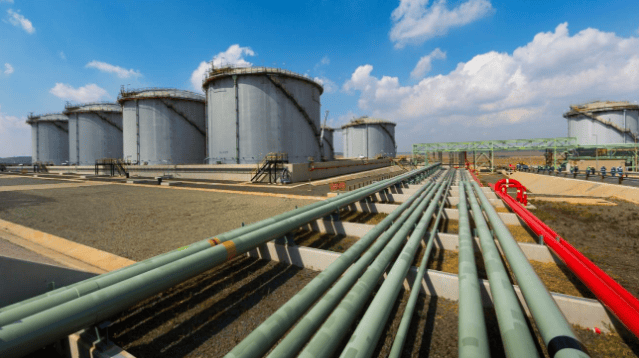
The proposed pipeline will use Haditha in western Iraq as a transit hub, connecting the country's southern and northern oil fields, and extending westward to the port of Baniyas on Syria's Mediterranean coast. Technical assessments related to the project indicate that the historical Kirkuk–Baniyas pipeline has suffered severe damage and aging facilities, making it no longer feasible to simply restore it along the original route. Therefore, a new pipeline and supporting infrastructure will need to be constructed. The old pipeline had a designed transmission capacity of approximately 300,000 barrels per day, significantly lower than the scale of the new plan.
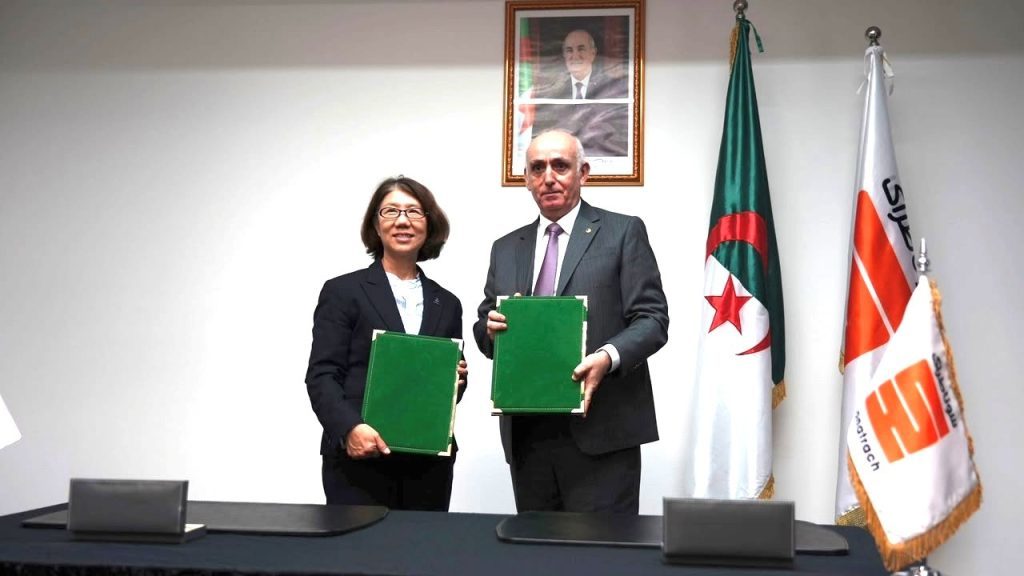
Iraq and Syria signed a memorandum of understanding for the Haditha–Baniyas oil pipeline in Washington on July 17. An international consortium involving Chevron, TI Capital, and Qatar's UCC Holding will undertake technical, financial, and commercial feasibility studies and coordinate project advancement with government agencies, regulatory bodies, and state-owned energy companies of both countries.
The Basra–Haditha pipeline within Iraqi territory is being advanced separately as a supporting transmission trunk line. The project spans approximately 700 kilometers with a planned transmission capacity of 2.5 million barrels per day, and approximately $1.5 billion in funding has been allocated to transport crude from southern production areas to Haditha, providing connectivity for future export routes to Syria, Turkey, and Jordan. This funding is not part of the total investment for the Iraq-Syria cross-border pipeline.
The final route, investment structure, commercial terms, and construction schedule of the cross-border pipeline remain subject to the feasibility study and subsequent negotiations. The project also needs to address issues such as land use and clearance of facilities along the route in Syrian territory, and will enter the construction phase only after obtaining regulatory approvals, securing financing, and signing final agreements.
Related Products


Hydraulic Turbine Genset
Dongfang Electric Corporation Dongfang Electric Machinery Co., Ltd.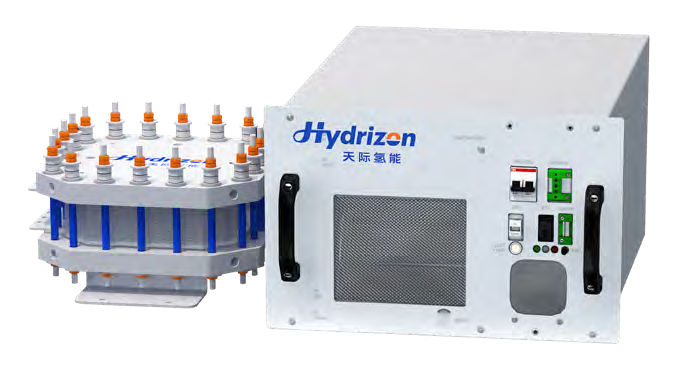
HI-Pro Green Hydrogen High-efficiency Production System-HI-PRO-AEM
Hydrizon Technology (Beijing) Co., Ltd.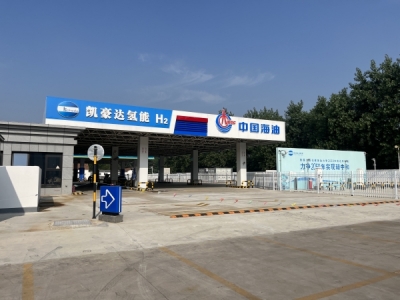
Hydrogen production and hydrogenation charging refueling gas integrated energy station
Shenzhen Kohodo Hydrogen Energy Co., Ltd.
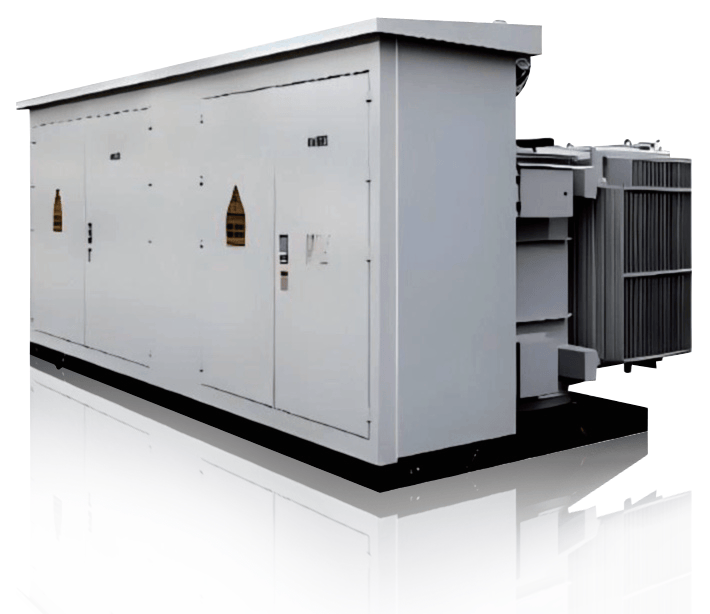
H-40.5/0.4~1.14kV New Energy Power Generation Dedicated High Voltage/Low Voltage Prefabricated Substation
XJ (Xiamen) Intelligent Power Equipment Co., Ltd.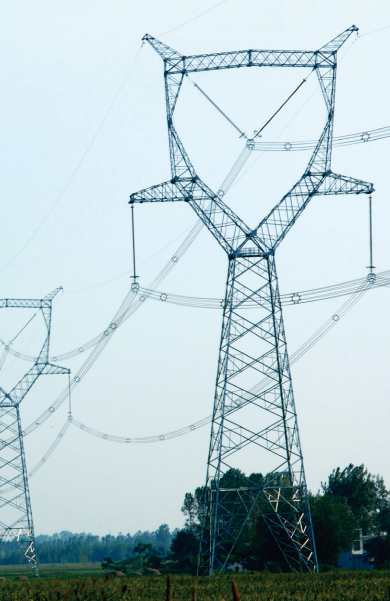
1000kV Jin Southeast-Nanyang-Jingmen UHV AC Transmission and Transformation Pilot Demonstration Project
Anhui Hongyuan Steel Tower Co., Ltd.

Prefabricated Houses and Electrical Energy Boxes
Chengdu Ruilong Machinery Manufacturing Co., Ltd.
Optional Accessory - Auxiliary Sampling Module
Beijing Soaring Electric Technology Co., Ltd.
Electromagnetic Fluid Seawater Floating Oil Separation and Recover Equipment
Huate Magnet Group Co., Ltd.