U.S. Energy Storage Capacity Surpasses 175,000 MWh in 2026, Five States Lead Deployment
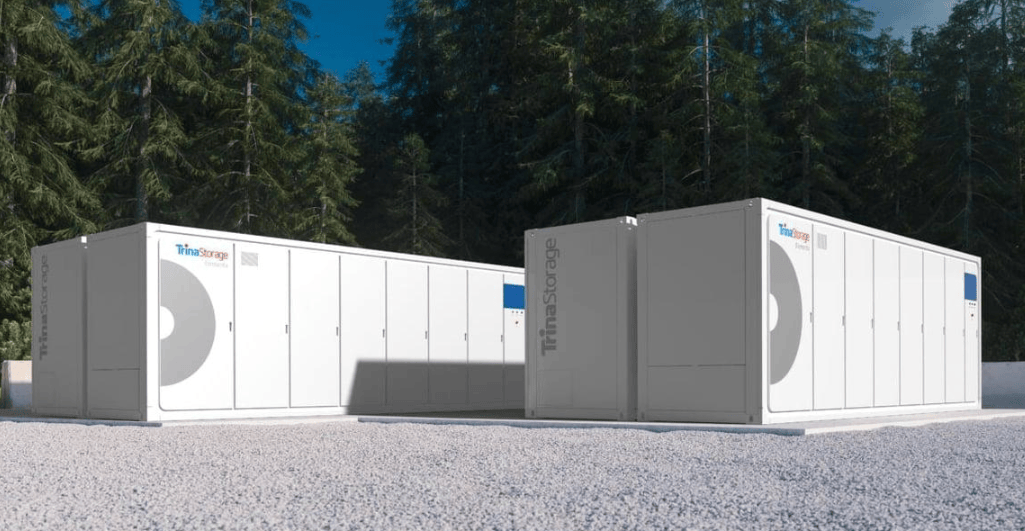
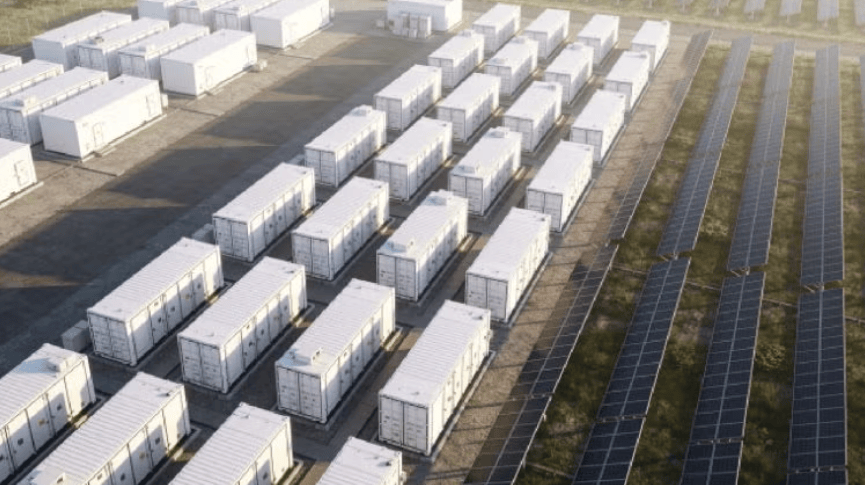
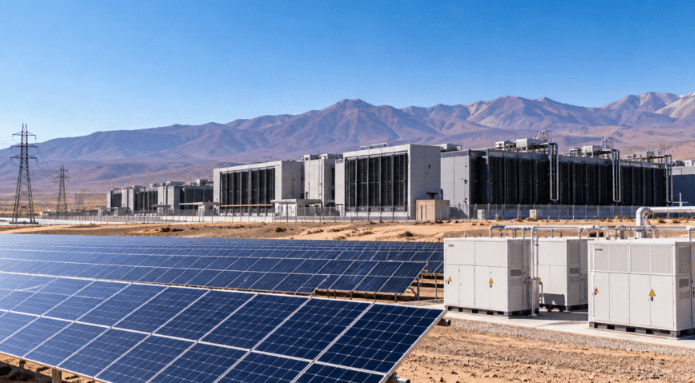
en.Wedoany.com Reported - The U.S. energy storage market is expanding rapidly alongside rising electricity demand, with storage technology having become a key tool for grid operators to balance supply and demand and curb price volatility. In 2020, U.S. energy storage capacity stood at 6,000 MWh; it has now surpassed 175,000 MWh, enough to meet the electricity needs of more than 5 million households for a full day on a single charge.
Since 2010, 13 states have adopted policies to expand storage capacity, with some already exceeding their targets. Among them, California, Nevada, Illinois, Virginia, and Massachusetts have made faster progress in storage deployment, each pursuing distinct policy approaches.
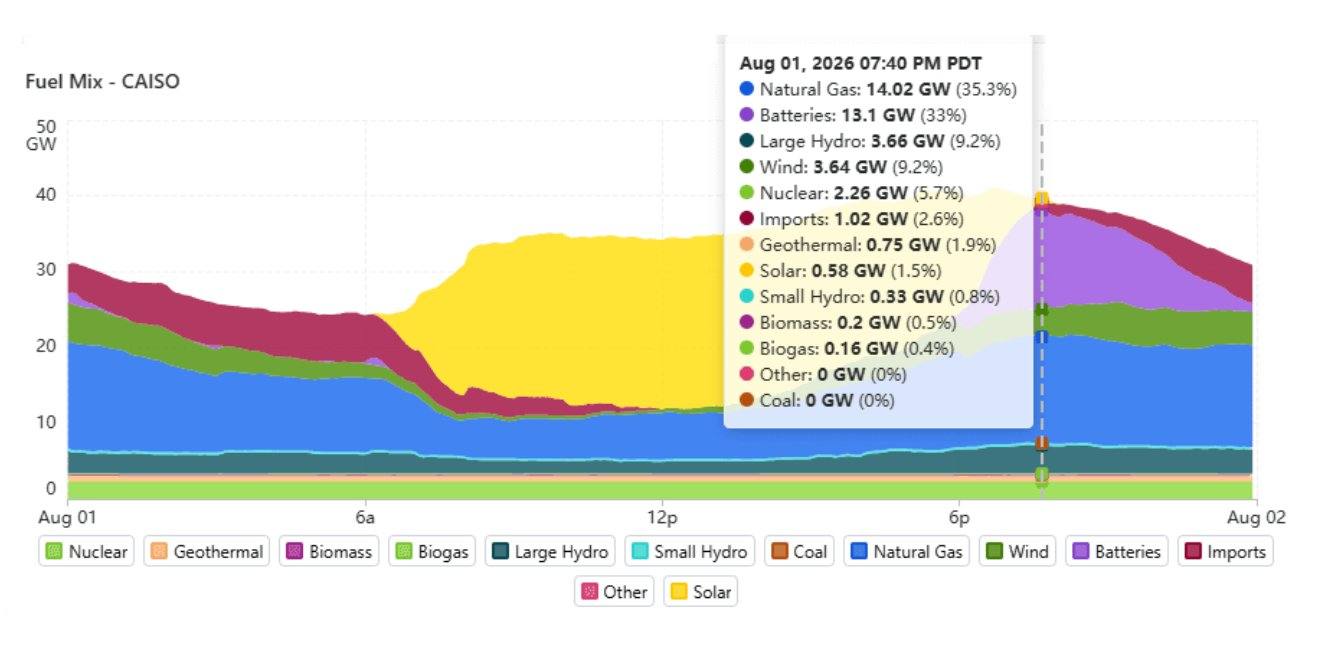
California became the first state in the nation to adopt an energy storage procurement target in 2010, setting a goal of 1,825 MW of installed capacity by 2024. The state has far exceeded that target, now boasting more than 21,000 MW of storage capacity, and has set new goals for long-duration storage. Growing battery capacity has already put downward pressure on the state's peak grid generation demand. On the evening of August 1, 2026, battery discharge from California's main grid operator exceeded 13,000 MW for the first time, meeting one-third of the state's total electricity demand.
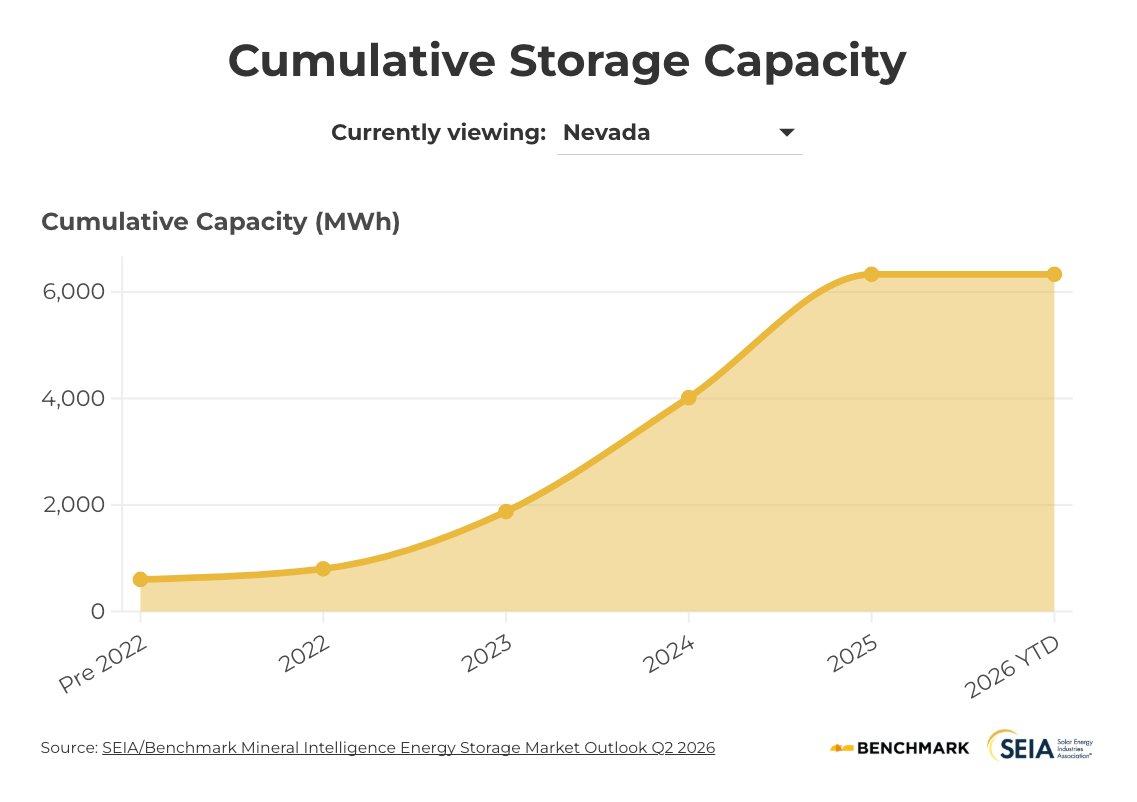
Nevada's bipartisan energy storage standard was signed into law in 2017 by then-Republican Governor Brian Sandoval. Since then, under both Republican and Democratic governors, the state has steadily expanded its storage supply thanks to strong alignment among utilities, regulators, and legislators. The Nevada Public Utilities Commission set a phased target of 1,000 MW by 2030, yet the state has already reached 1,700 MW of installed capacity, surpassing the goal ahead of schedule and ranking fourth nationally in installed storage capacity.
Illinois has positioned energy storage as a core component of its grid modernization strategy. Governor J.B. Pritzker signed the Clean and Reliable Grid Affordability Act earlier this year, requiring the Illinois Power Agency to procure 3,000 MW of storage by 2030. The act also incentivizes standalone storage projects and establishes a virtual power plant program to mobilize distributed energy resources such as home batteries during peak demand periods. According to estimates, these measures will save Illinois households and businesses approximately $13.4 billion in electricity costs over the next 20 years.
Virginia faces one of the fastest-growing electricity demands in the nation due to its concentration of data centers, with rising electricity prices becoming a focal point for local voters. In 2026, Governor Abigail Spanberger and state lawmakers expanded storage targets on the basis of the 2020 Virginia Clean Economy Act. With advocacy from the Solar Energy Industries Association (SEIA) and its partners, Virginia's new plan proposes adding 16,780 MW of short-duration storage by 2040 and 4,520 MW of long-duration storage by 2045.
Massachusetts enacted An Act to Advance Clean Energy in 2018, signed by then-Governor Charlie Baker, setting a target of 1,000 MWh of storage capacity by 2025. The state exceeded that goal last year and now has more than 1,500 MWh of capacity. Current Governor Maura Healey has continued to strengthen storage deployment through 2024 legislation and this year's executive orders, demonstrating how storage can unite policymakers around the shared goals of keeping the grid reliable and electricity affordable, with building more long-duration storage as the next step.
Beyond these five states, others are following suit. In 2025, the Georgia Public Service Commission unanimously approved an Integrated Resource Plan requiring more than 1,500 MW of new storage; Texas has become the second-largest storage market in the United States. Across the country, policymakers and grid operators are recognizing that batteries help meet growing electricity demand, enhance grid reliability, and deliver power where and when it is needed most. Policy approaches vary, but the strategic advantages of robust storage deployment are the same: storage gives states a flexible resource that helps keep the grid reliable while providing affordable electricity to consumers.
Related Products


GW4-40.5/72.5/126/145/170/252/363/420 Series Double-column Horizontal Rotary High-voltage AC Disconnect Switch
SHANDONG TAIKAI DISCONNECTORS CO., LTD.
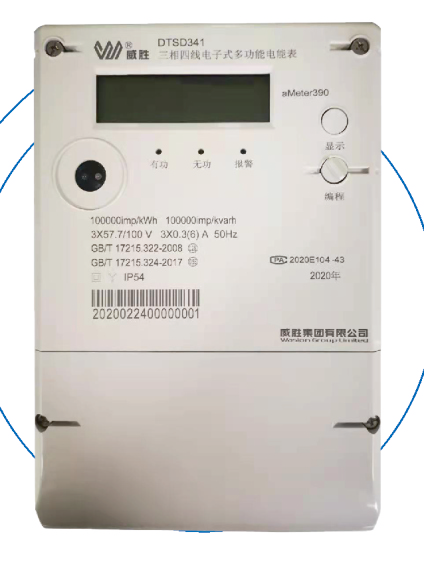
Overseas IEC Gateway Energy Meter - DTSD341/DSSD331-aMeter390
Wasion Group Limited Co., Ltd.
Modular Multifunctional Water Supply and Drainage Vehicle (18T)
Changsha Dewater Machinery Technology Co., Ltd.
Rated Voltage 6-35kV Cross-linked Polyethylene Insulated Power Cable
TONGDING INTERCONNECTION INFORMATION CO., LTD.
Forest and Grassland Heat Source Infrared Monitor
China Huayun Meteorological Technology Group Co., Ltd.