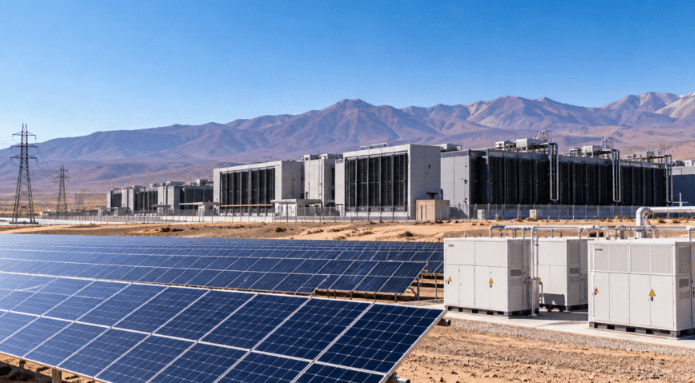
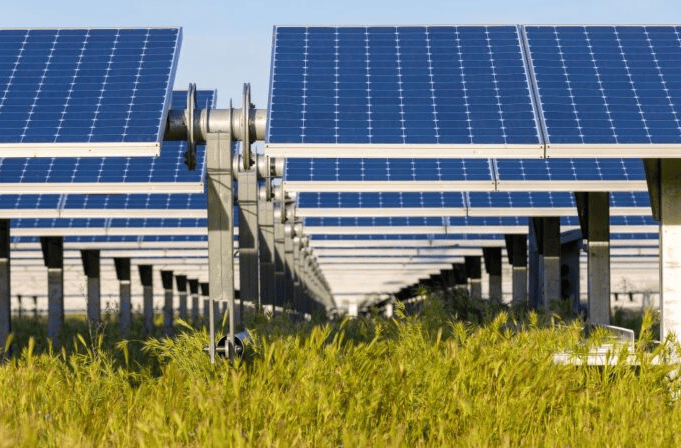
California Assembly Passes 1,200-Watt Plug-In Solar Bill
en.Wedoany.com Reported - The California State Assembly has passed Senate Bill 868, allowing state residents to use portable solar power generation devices with an output of up to 1,200 watts that can be plugged into electrical outlets in homes or apartments.
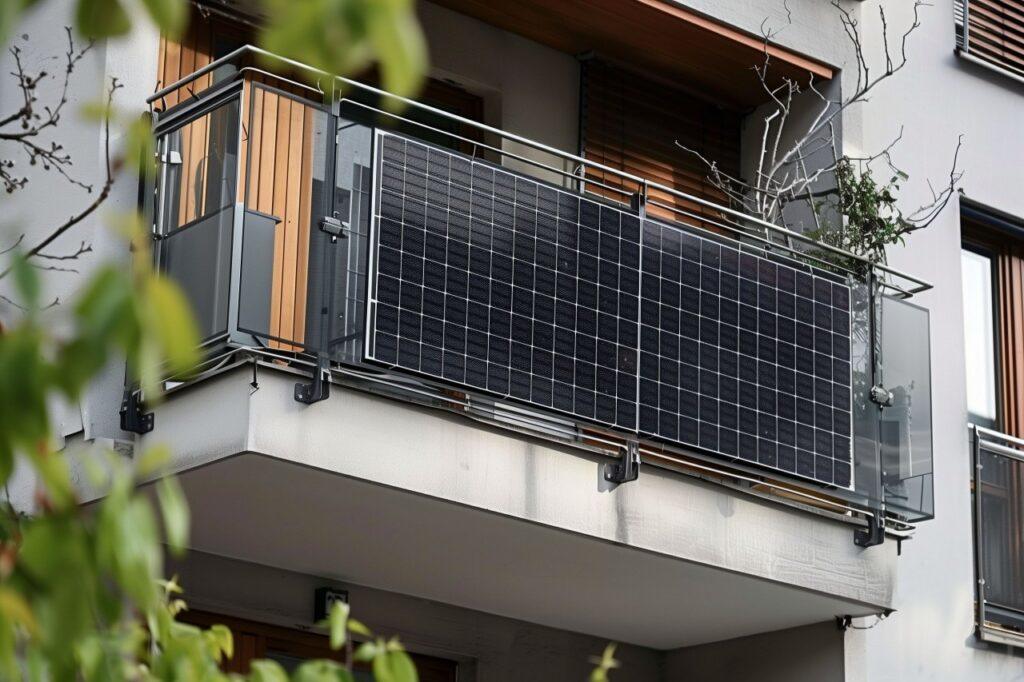
Under the bill's provisions, the devices must be used to offset the user's on-site electricity consumption, and the products must meet the requirements of the latest editions of the National Electrical Code and the California Electrical Code, as well as be certified by Underwriters Laboratories or an equivalent nationally recognized testing laboratory.
SB 868 exempts plug-in solar users from the obligation to submit interconnection agreements or obtain permission from utility companies, although utility companies may still require users to notify them of their intent to use such devices. The bill underwent multiple rounds of amendments during the legislative process, with the latest version including a provision that eliminates the interconnection exemption effective January 1, 2030, while also granting users the right to install devices without utility permission.
The bill will be sent back to the Senate to concur with the Assembly's amendments. If signed by the governor, the law will take effect on January 1, 2027. Despite broad support in both chambers, it is likely to be vetoed by the outgoing governor, Gavin Newsom; since 1979, the California Legislature has never attempted to override a gubernatorial veto.
The expectations surrounding the plug-in solar market are important context for the attention this bill has drawn. SB 868, introduced by Senator Scott Wiener in January of this year, has become one of the most closely watched plug-in solar bills in the nation. If passed, California would become the ninth U.S. state to enact such a law. California ranks first in the nation in population and has some of the highest electricity rates in the country, and the new law is expected to open a substantial market for plug-in solar devices. Both homeowners and renters could use these devices to offset a portion of their electricity consumption, and under the 1,200-watt configuration set by the bill, households could save several hundred dollars per year on electricity bills. The governors of New Jersey and New York are also currently considering similar legislation, and if both states follow suit, the total number of states implementing plug-in solar regulations would reach 11.
SB 868 has received support from several climate and energy organizations, including Advanced Energy United, the Environmental Working Group (EWG), The Sierra Club, Vote Solar, and Bright Saver, a nonprofit plug-in solar advocacy organization. In January 2026, Senator Wiener participated in a webinar alongside EWG's California Vice President Bernadette Del Chiaro and Bright Saver co-founder Cora Stryker to celebrate the bill's introduction and discuss next steps. Stryker stated at the time that the entire nation was watching California's progress, and that if the bill passed, the market would change permanently, economies of scale would follow, and manufacturers would enter the U.S. market.
After the Assembly passed the bill on August 25, the EWG issued a statement praising the efforts of the state legislature. In the statement, Del Chiaro said this is the most exciting clean energy idea, and that California is opening the door to tangible, concrete affordability solutions for everyday consumers; solar power is an obvious smart choice for California, and she commended Senator Wiener and legislative colleagues for their efforts to send this critical clean energy solution to the governor.
Brandon Garcia, California Director of Advanced Energy United, said in comments provided to pv magazine USA that Californians should not have to own a roof to use solar power, and that SB 868 offers renters and apartment residents another way to lower their electricity bills; Governor Newsom should sign this common-sense bill and make expanding access to affordable solar power part of his legacy.
Related Products



Optional Accessory - Auxiliary Sampling Module
Beijing Soaring Electric Technology Co., Ltd.

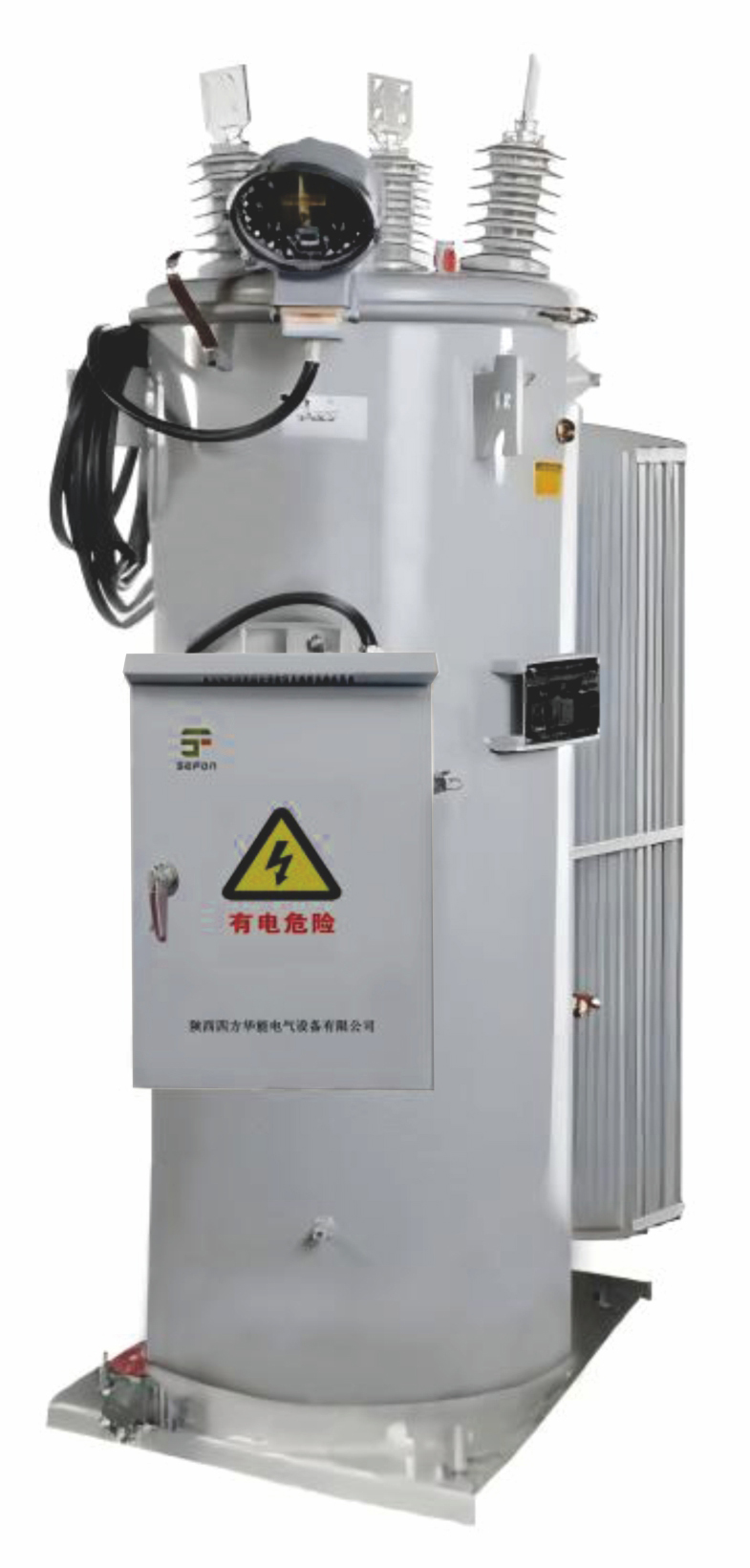
Single-Phase Automatic Voltage Regulator(AVR)
Shaanxi Sefon Electrical Equipment Co.,Ltd.

Floating Boat Water Quality Automatic Monitoring System
Hebei Sailhero Environmental Protection High-tech Co., Ltd.

Jiujiang Pinggang 125MW Subcritical Gas Power Generation Project
Capital Engineering & Research Incorporation Limited
G.652.D Wavelength-extended Non-dispersion Shifted Single-mode Optical Fiber
HONGAN GROUP CO., LTD.