Dubai Customs handles 18.2 million air cargo transactions in H1 2026, up 53%
en.Wedoany.com Reported - Dubai Customs processed 18.2 million customs transactions through its Air Cargo Centers in the first half of 2026, a 53% increase compared to the same period last year. Dubai Customs stated that e-commerce is driving an increasing number of small-volume, faster-moving shipments through Dubai, and the emirate continues to expand its capacity to handle growing trade volumes.
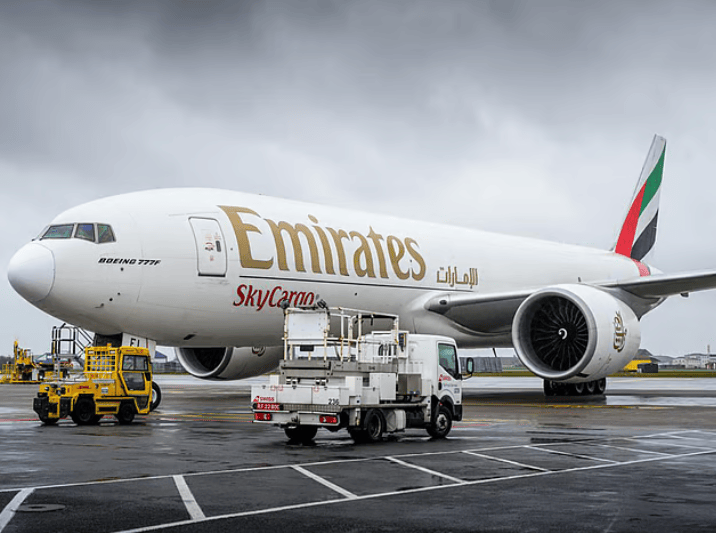
According to a statement issued by Dubai Customs, the Air Cargo Centers processed approximately 1.3 million tons of cargo in the first six months of 2026, up from about 886,000 tons in the first half of 2025, an increase of nearly 47%. Among these, the free zone sector within the air cargo field recorded the most significant growth. This sector completed approximately 17.7 million customs transactions in the first half of 2026, compared to about 10.9 million in the same period last year, a 62% increase. During the same period, more than 6.2 million postal parcels were also processed, highlighting the growing role of Dubai's air cargo infrastructure in supporting cross-border e-commerce.
Dubai Customs stated that e-commerce relies on a large volume of small shipments and rapid turnover from order placement to delivery, making the efficiency of customs procedures a core part of the digital trade cycle and the experience of businesses and consumers. The authority's Cross-Border E-Commerce Platform aims to support digital trade companies and logistics providers through a comprehensive customs framework.
Dubai Customs has also introduced an adjustment to facilitate the movement of eligible cross-border e-commerce shipments. Effective August 3, 2026, the customs duty exemption threshold for eligible products and goods in cross-border e-commerce shipments has been raised to AED 1,000. According to Dubai Customs, this adjustment gives businesses greater room to benefit from digital trade growth by helping reduce costs and improve operational efficiency. The authority has also exempted duties on certain returned goods imported by businesses for personal use, provided that taxes were previously paid and the goods are returned within 60 days of departure. This exemption does not include tobacco and related products, e-cigarette devices and accessories, nicotine liquids, alcoholic beverages, or food preparations containing alcohol.
Mohammed Al Ghaffari, Executive Director of the Customs Inspection Division at Dubai Customs, stated that these results reflect Dubai Customs' shift from facilitating trade to empowering trade. The role of customs work is no longer limited to processing transactions but has expanded to supporting trade and economic growth, improving the business environment, reducing time and costs, and enhancing Dubai's ability to attract trade flows and investments related to the shipping, distribution, logistics, and digital economy sectors. He also stated that customs inspection is about striking a balance between protecting borders and the need to move goods efficiently into the local market.
The increase in activity was particularly notable during a period of heightened operational pressure during the US-Iran war. In May 2026, the volume of imported goods cleared through the Cargo Village at Dubai International Airport and the Air Cargo Centers at Al Maktoum International Airport reached 48.26 million kg, compared to approximately 26.56 million kg in January, an increase of nearly 82% during that period. The maximum daily processing volume also increased from 1.24 million kg in January to 2.11 million kg in May.
Abdulla Ahmad Alblooshi, Director of the Air Cargo Centers Management Department at Dubai Customs, stated that increasing focus is being placed on shortening the time from cargo arrival to market access. The speed of customs procedures has become a core part of trade competitiveness. He added that Dubai Customs continues to equip its centers with smart technologies, equipment, and artificial intelligence applications to enhance inspection and examination efficiency and accelerate processing speeds. Alblooshi stated that the first-half performance demonstrates the ability of Dubai's air cargo centers to cope with the rapid growth in shipping and e-commerce. Success depends not only on the number of transactions processed or the volume of cargo, but also on the higher speed of market access provided to traders and companies, the greater operational efficiency it helps them achieve, and the broader growth space it offers them from Dubai.
Related Products


ERW Welded Pipe (Black Pipe and Hot-dip Galvanized Steel Pipe)
Handan Zhengda Steel Pipe Co., Ltd.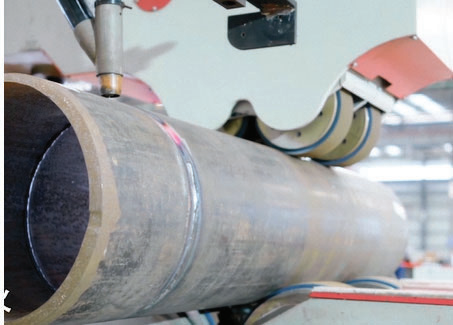

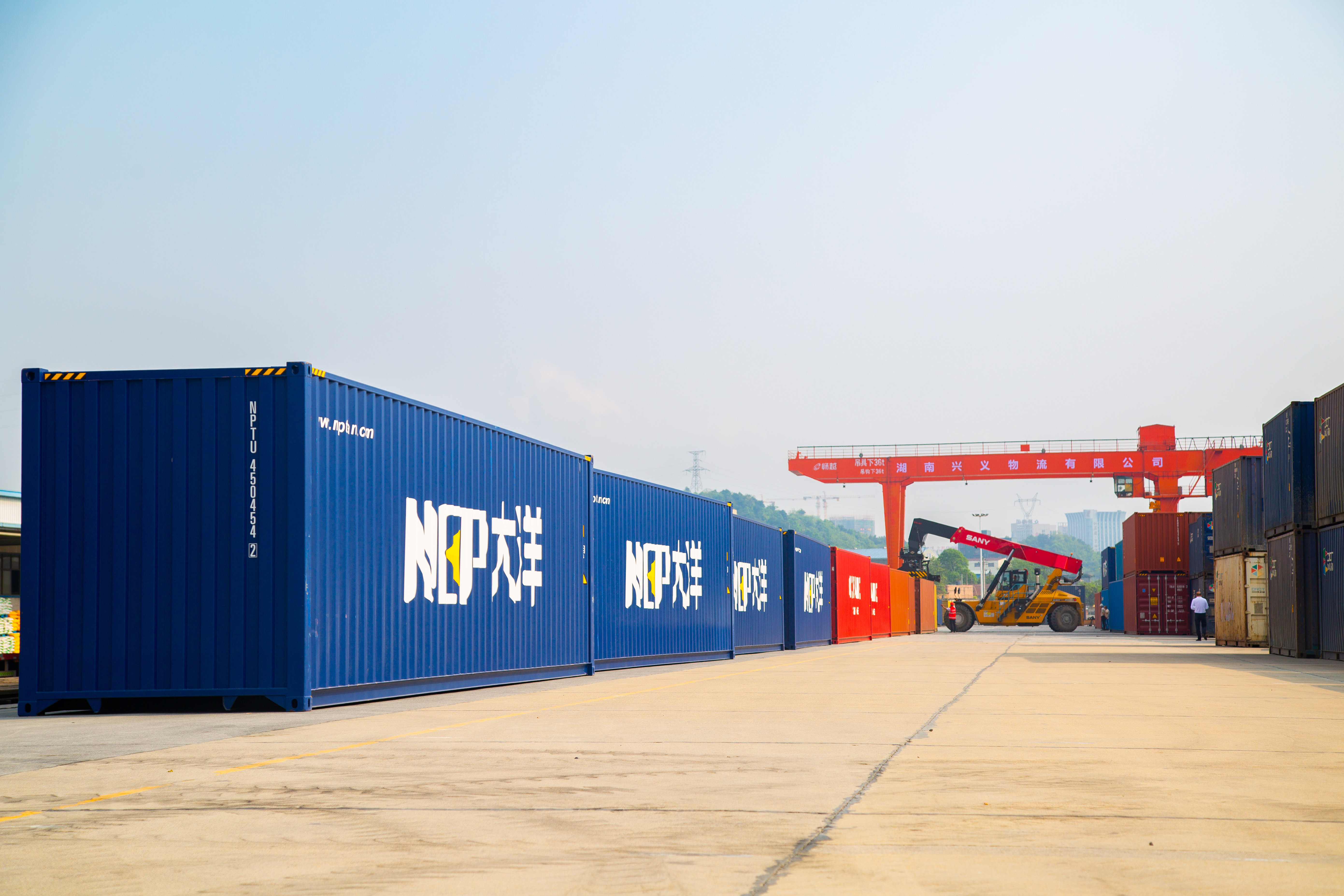
China - Alashankou/Khorgos - Europe Full Range Transportation (Mala/Hamburg/Duisburg/Budapest, etc.)
Shenzhen Neptune Logistics Co., Ltd.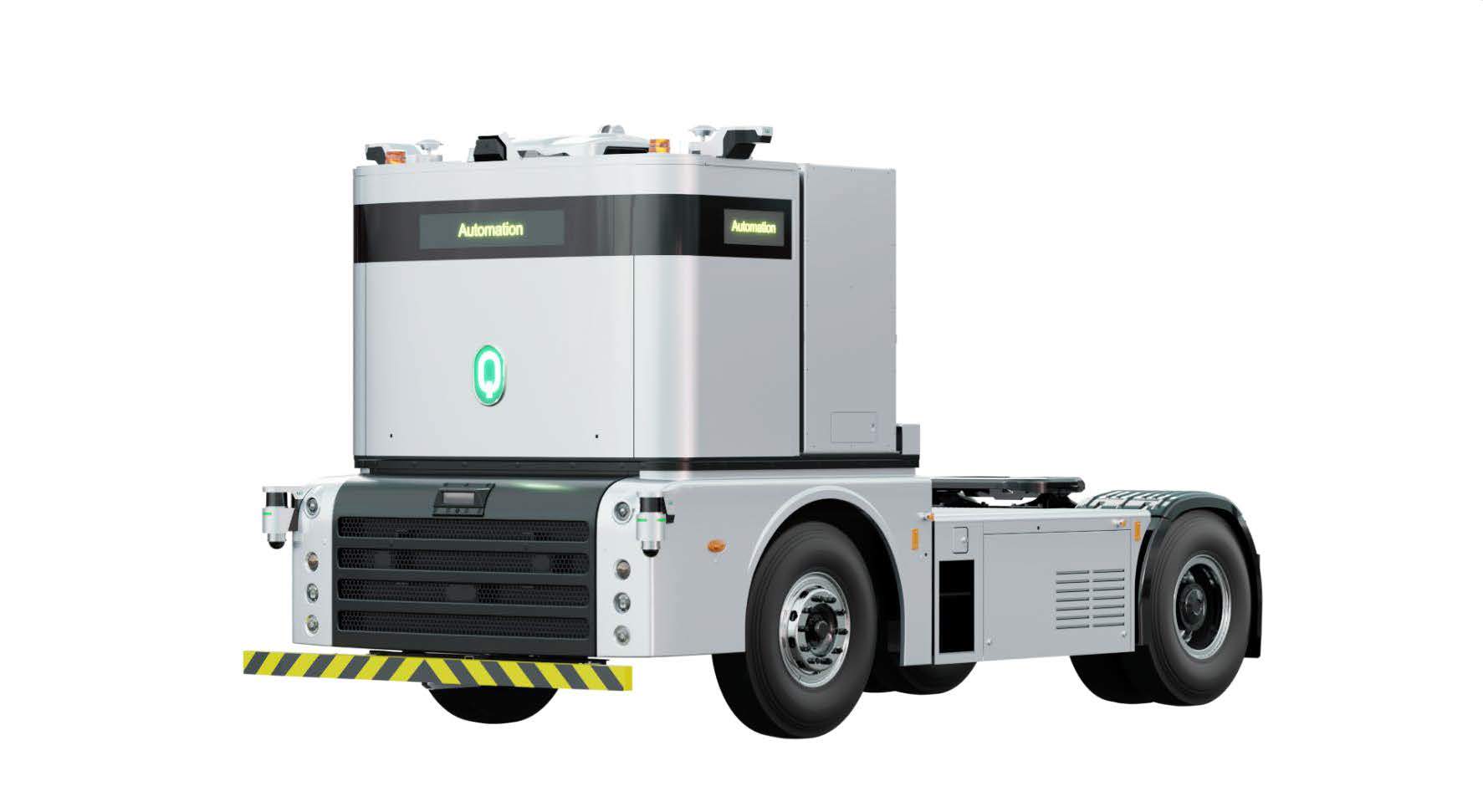

Wheel and Track Technology Business
Beijing Research & Design Institute of Rubber Industry Co., Ltd.
NTE150 Electric Drive Mining Dump Truck
Inner Mongolia North Heavy Industries Group Co., Ltd.

D12 Humanoid Robot
Automation Research Institute Co., Ltd. of China South Industries Group Corporation