Saudi Arabia's Red Sea Project Commissions World's Largest Off-Grid Battery Energy Storage Facility
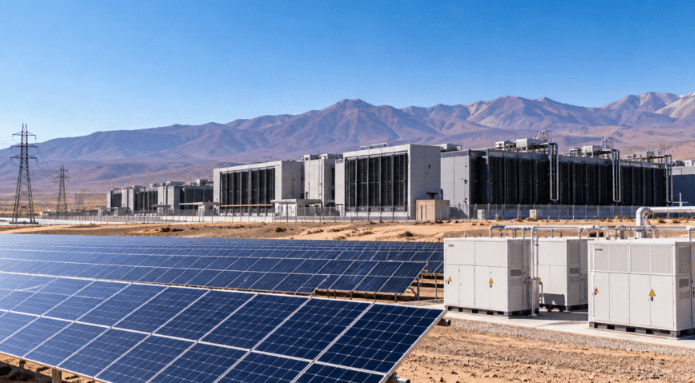
en.Wedoany.com Reported - Saudi Arabia's Red Sea multi-utility project has reached full commercial operation, establishing an off-grid utility system powered by renewable energy that supplies electricity to the entire tourism destination and its supporting infrastructure. Developed by Red Sea Global, the project serves its tourism destination on Saudi Arabia's west coast and operates entirely independently of the national transmission grid.
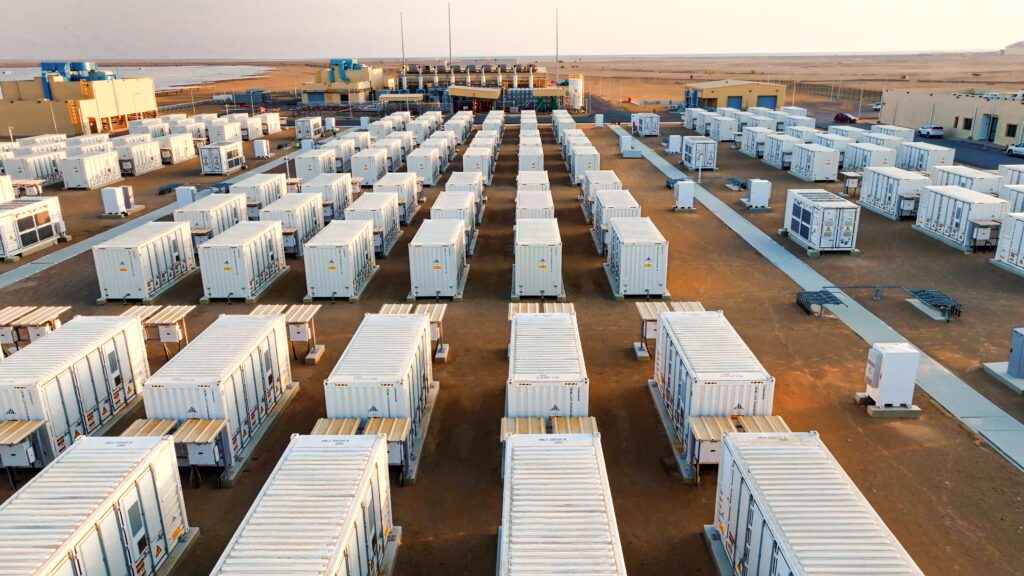
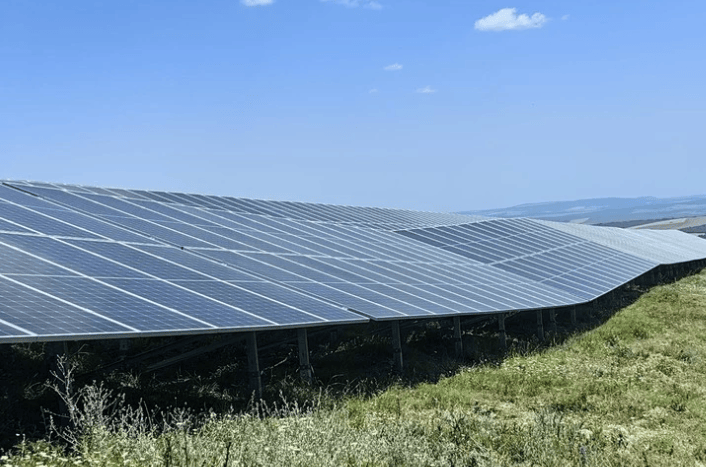
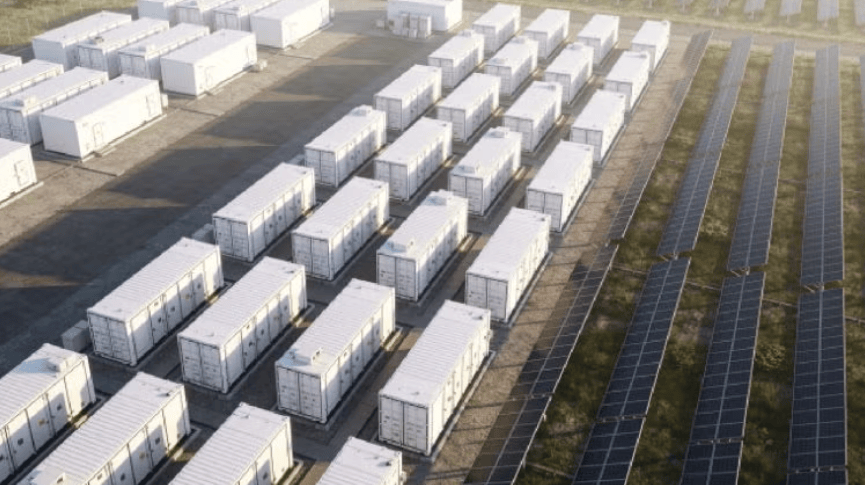
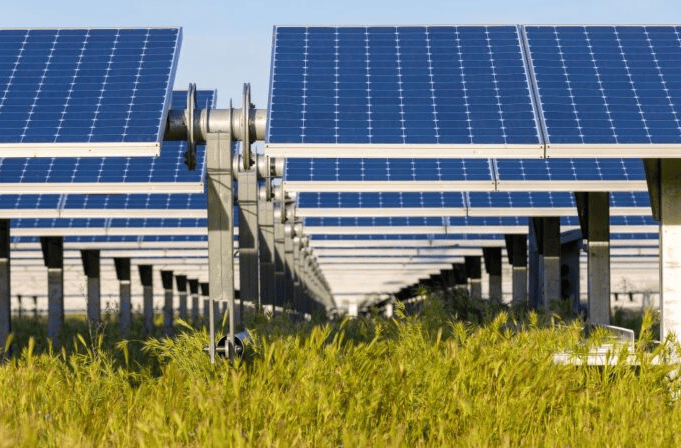
The project's engineering, procurement, and construction (EPC) contractor is SEPCOIII, a subsidiary of PowerChina, which stated on August 21 that the entire utility complex had entered commercial operation. SEPCOIII signed the EPC contract with ACWA Power in February 2021. ACWA Power lists installed solar photovoltaic capacity of 358 MWac, battery energy storage capacity of 1,225.4 MWh, supplemented by 112.5 MW of backup internal combustion power generation. Earlier project documents typically referenced approximately 340 MW of solar and 1.2 GWh of storage.
Huawei, which supplied the photovoltaic inverters and battery energy storage system, previously described its scope of supply as including 400 MW of PV and 1.3 GWh of storage. The battery system performs functions that go beyond the conventional role of storage in traditional transmission grids. Because the Red Sea grid is isolated, the microgrid must establish and maintain voltage and frequency on its own while balancing fluctuating solar generation against demand. Grid-forming battery storage provides voltage and frequency support and supplies power to the grid when solar generation is unavailable. Project disclosures indicate that the system has also demonstrated black-start and fault-ride-through capabilities during operation, providing a utility-scale example of grid-forming storage deployed in an isolated grid.
In May 2025, Guinness World Records certified the facility's 1,125.18 MWh as the world's largest off-grid battery energy storage facility. Construction of the facility began in October 2021, and the storage units began operating in September 2023.
The Red Sea project differs from conventional solar-plus-storage projects in the scope of infrastructure connected through its microgrid. This multi-utility system includes seawater desalination, potable water distribution, wastewater treatment, district cooling, solid waste management, and communications infrastructure. ACWA Power lists three reverse osmosis desalination plants with a combined capacity of 32,500 cubic meters per day; wastewater treatment capacity of 16,000 cubic meters per day; and district cooling capacity of 32,500 tons of refrigeration. Red Sea Global states that the renewable-energy-driven utility infrastructure powers operating resorts, the airside facilities of Red Sea International Airport, staff accommodation, electric vehicle charging, 5G infrastructure, district cooling, and the destination's water supply system.
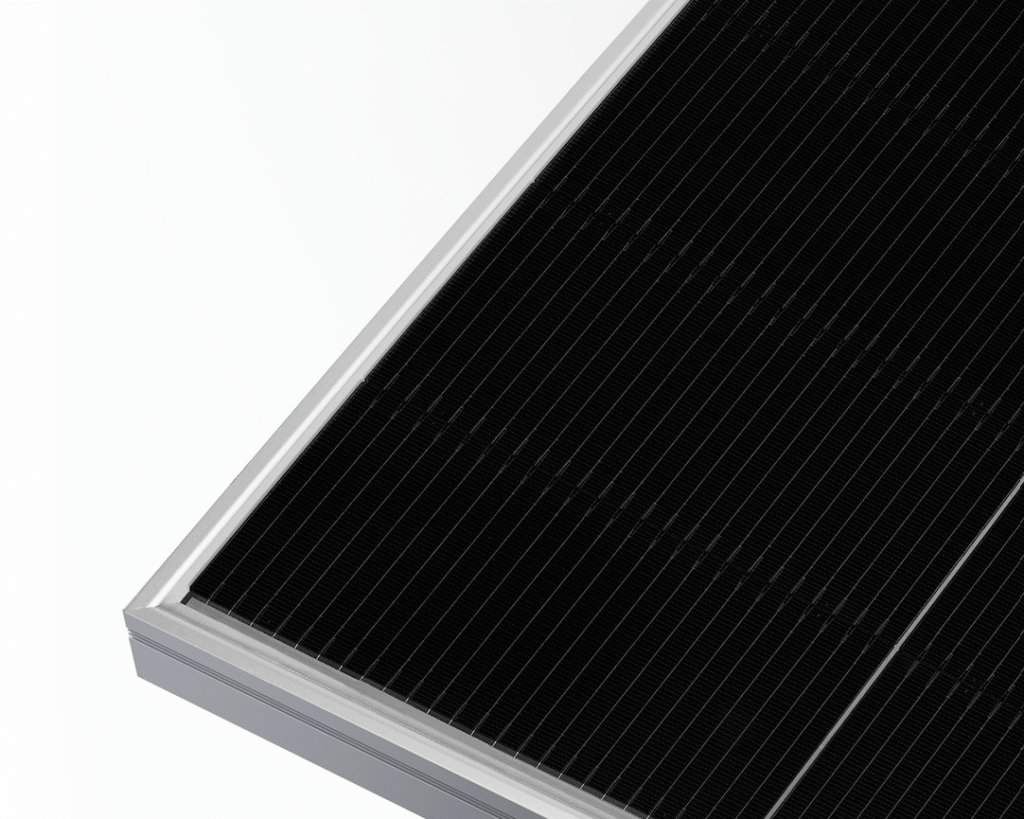
The project operates under a 25-year utility concession. Rather than financing and owning the individual utility assets, Red Sea Global purchases electricity, water, and other services from the project consortium. The project was developed under a public-private partnership structure, with Saudi Arabia's Public Investment Fund (PIF) supporting the long-term offtake agreements. SEPCOIII is responsible for executing the EPC works, and Chinese suppliers involved in the energy scheme include Huawei and PV module manufacturer Longi.
Full commercial operation marks the completion of the broader multi-utility package rather than the commencement of the solar and storage assets—which have been progressively commissioned since 2023. The project provides a large-scale operating example of solar and grid-forming battery storage powering an isolated utility network rather than supplying an interconnected grid. Its performance can offer technical and operational lessons for islands, remote industrial sites, and similar systems in new developments where extending traditional transmission infrastructure is difficult or uneconomical.
Related Products
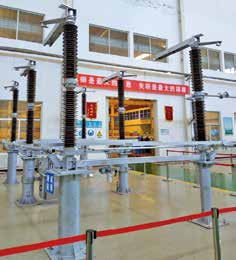

GW4-40.5/72.5/126/145/170/252/363/420 Series Double-column Horizontal Rotary High-voltage AC Disconnect Switch
SHANDONG TAIKAI DISCONNECTORS CO., LTD.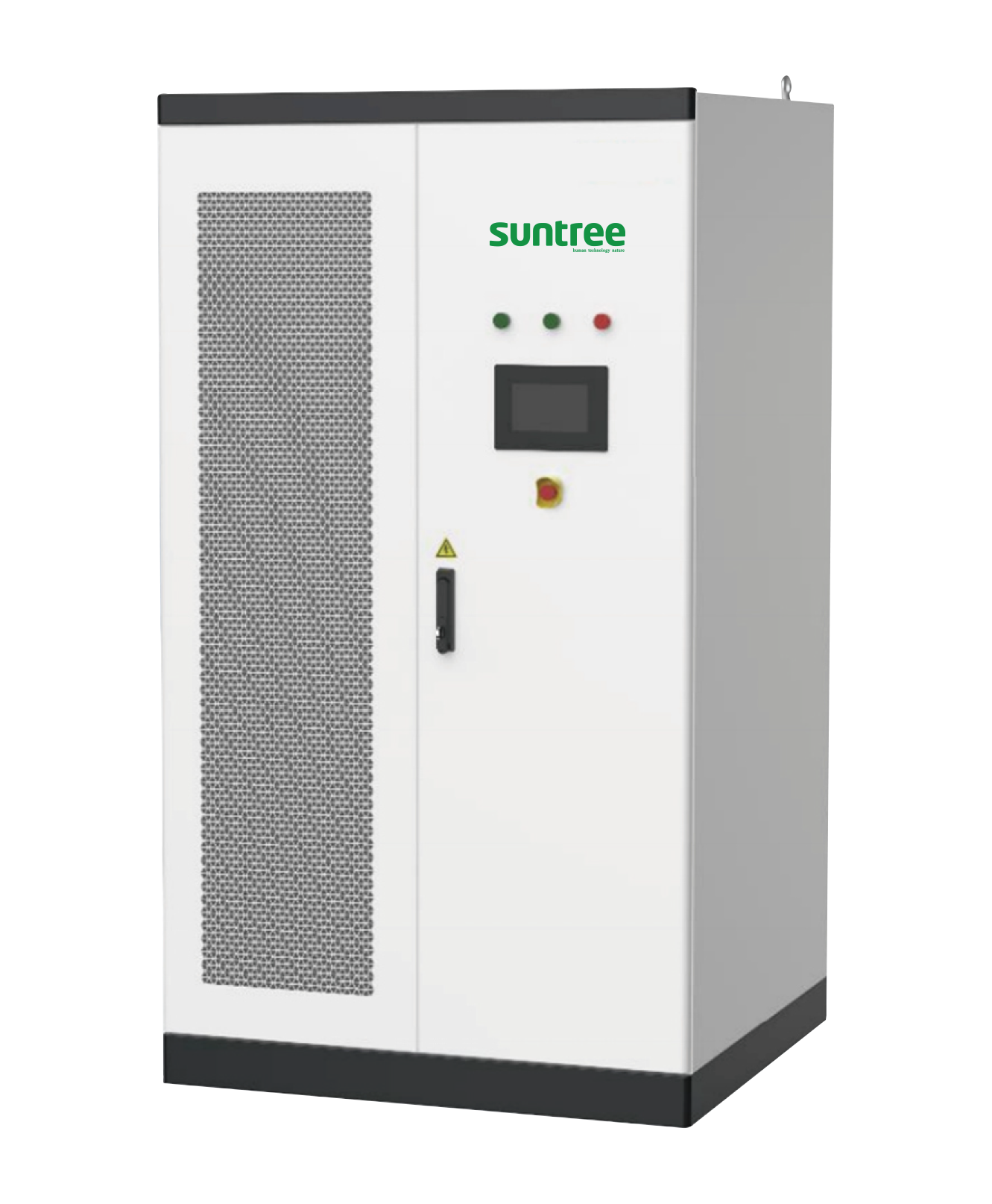
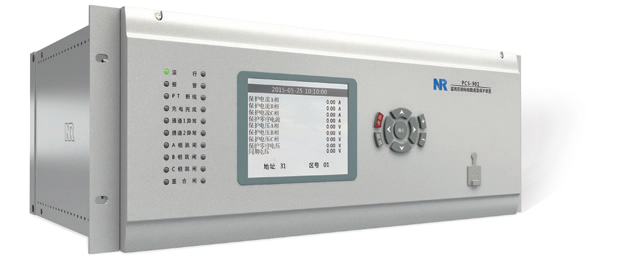
PCS-901 Series Ultra (Extra) High-voltage Transmission Line Complete Protection Device
Nanjing NR Electric Co., Ltd.
Photovoltaic and Wind Power Generation Technology
Beijing Boqi Electric Power SCI-TECH Co., Ltd.
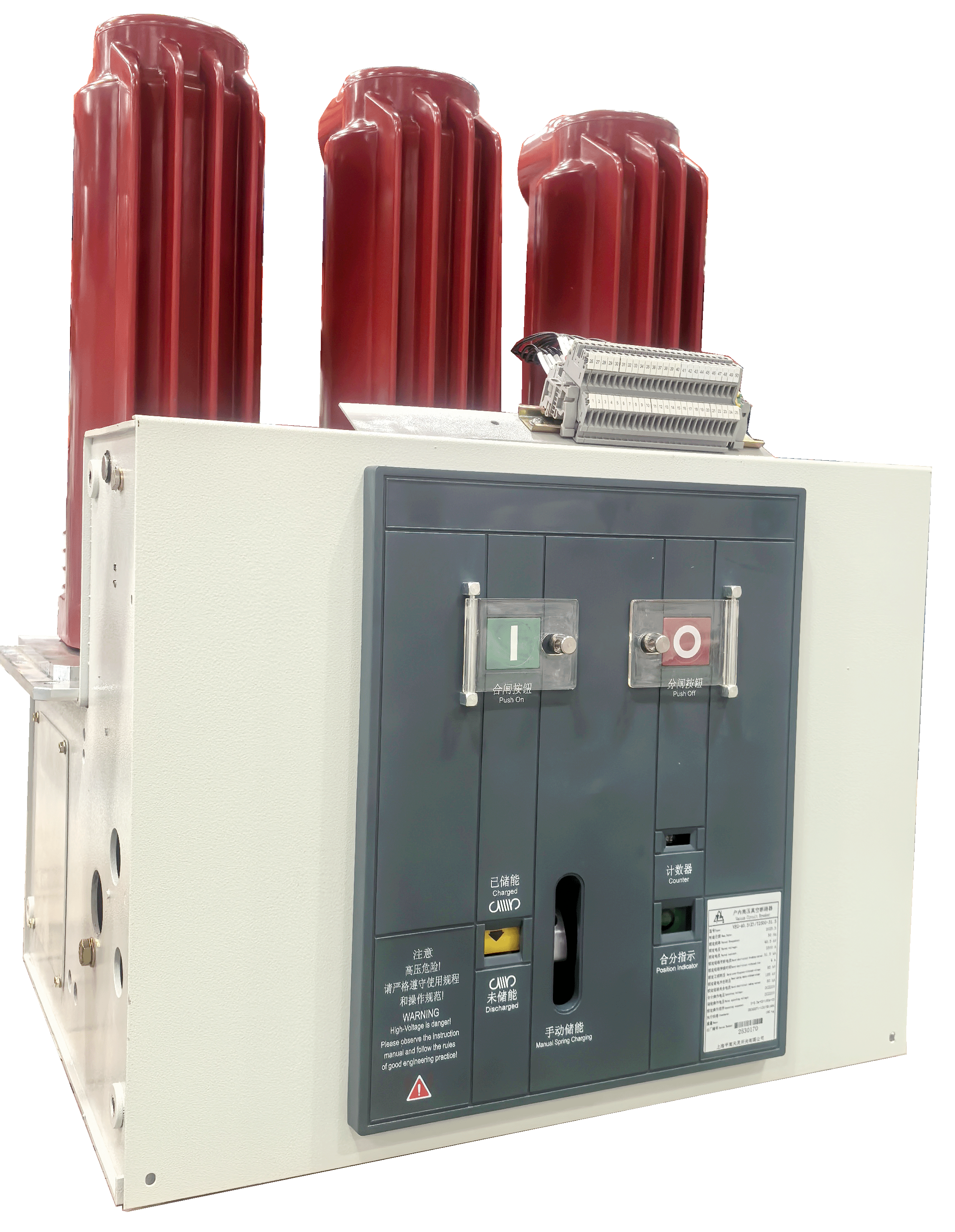
VEG-12/24/40.5 Series Vacuum Circuit Breaker
SHANGHAI PINGGAO TIANLING SWITCHGEAR CO., LTD.
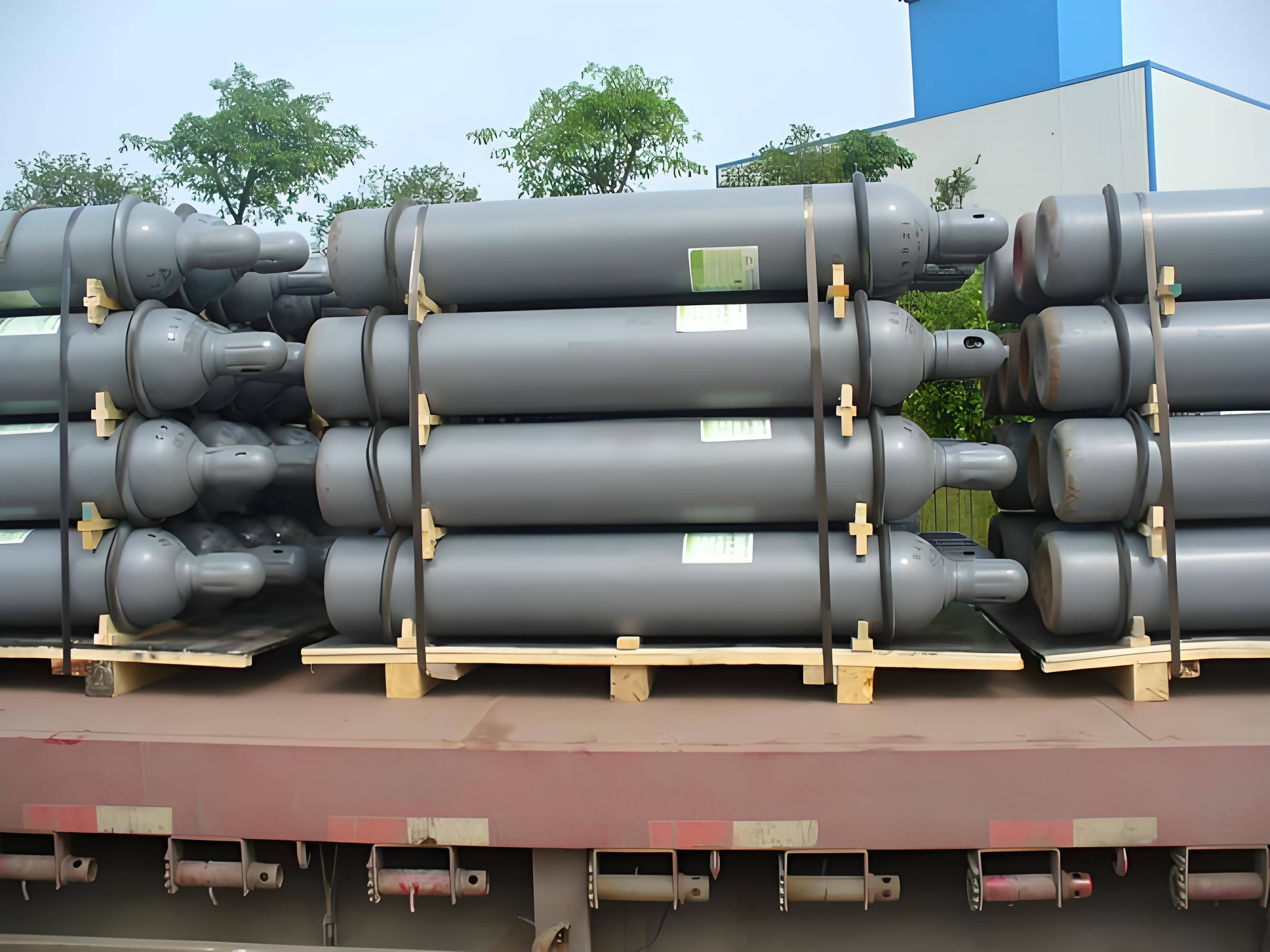
Global Sulfur Hexafluoride Gas Supply and Cylinder Export
Foshan Yuexin Industrial Gas Co., Ltd.