Australian CSIRO and Acen use satellite imaging for 720MW New England project
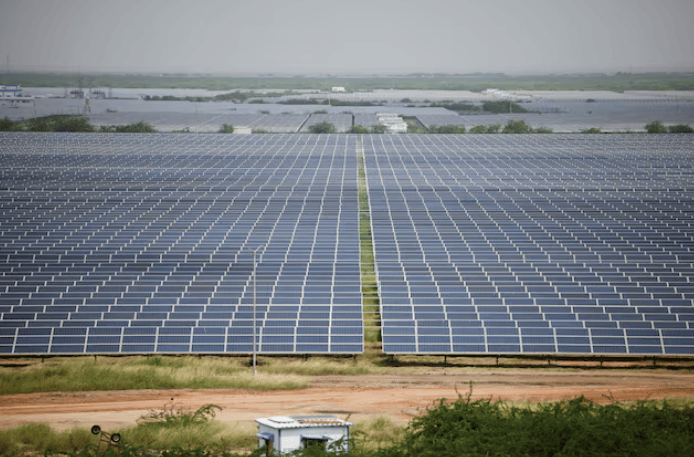
en.Wedoany.com Reported - The Commonwealth Scientific and Industrial Research Organisation (CSIRO) and Macquarie University will partner with the Australian arm of Philippines-based energy company Acen Corp to introduce higher-precision vegetation management, fire preparedness, and daily operational practices at the New England Solar Farm in New South Wales (NSW).
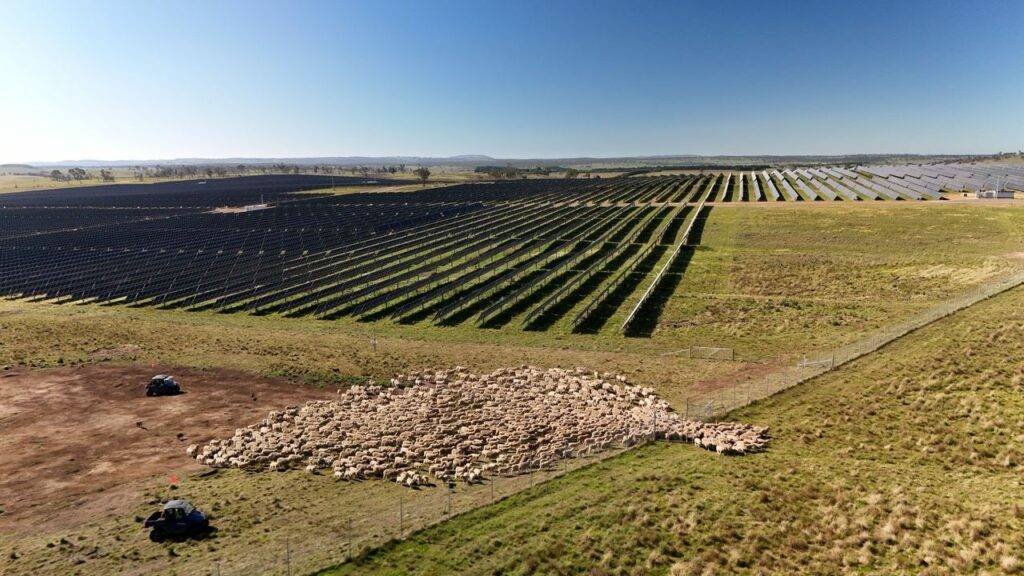
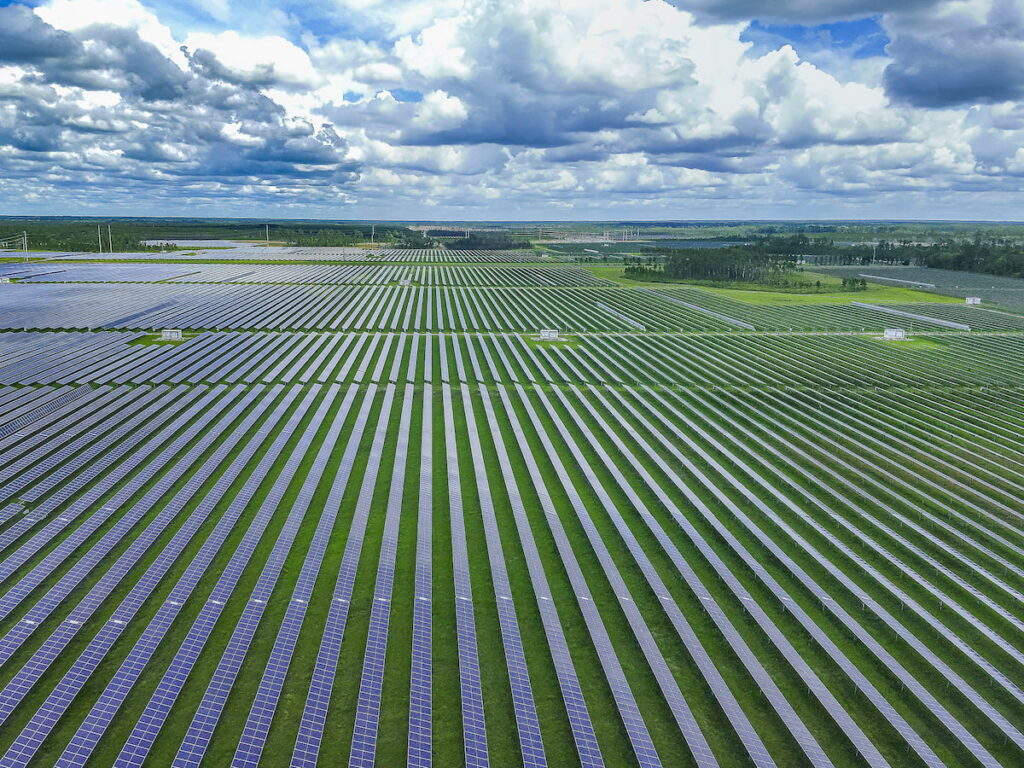
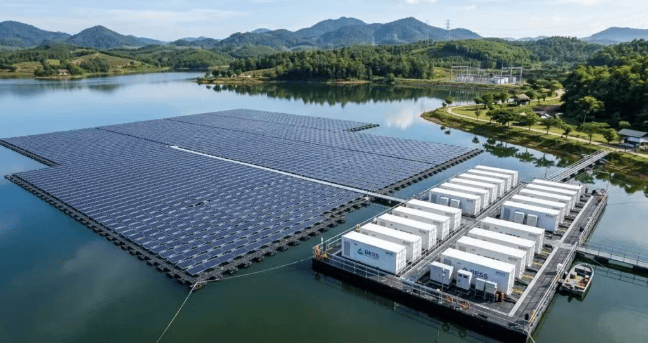
Located near Uralla in northern NSW, the project has a planned installed capacity of 720 megawatts and covers 2,000 hectares, with the land primarily consisting of previously cleared pasture. The first phase of 400 megawatts has been operational since 2023, and the construction timeline for the second phase of 320 megawatts is expected to be announced shortly. Additionally, a 200 megawatt/400 megawatt-hour battery energy storage system has been built on site and is currently in the final testing and commissioning stage.
The site also supports more than 6,000 sheep, which graze freely on the grass beneath the solar panels. Acen is currently working with research teams from CSIRO and Macquarie University to find a balance between agricultural production activities and the day-to-day operations and maintenance of the solar and battery facilities.
Researchers are using satellite and drone imaging to map vegetation growth conditions and fire risk distribution across the entire site. Grass height, moisture content, and biomass are key variables affecting site insurance, routine maintenance, and grazing practices, yet these parameters are typically determined manually in traditional processes. The project is leveraging hyperspectral imagery from Germany's EnMAP (Environmental Mapping and Analysis Program) satellite to refine vegetation measurement accuracy down to the biochemical element level.
CSIRO Chief Research Scientist Cindy Ong stated that this biochemical-level detail helps solar farm operators distinguish between moist green grass and dry combustible fuel, and understand the specific distribution of such biomass around equipment such as transformers and cables. Ong noted that the data enables quantitative fire risk assessment and helps determine which areas require grazing or mowing intervention.
She said: "It can also help farmers better manage grazing patterns and work with solar farm operators to balance fire risk and farm productivity."
Acen Australia Managing Director David Pollington stated that the project has the potential to set an important example for Australia's renewable energy industry, demonstrating how mutually beneficial coexistence between renewable energy and productive agriculture can be achieved. He said: "Ultimately, it shows that renewable energy projects can be partners in rural land management, creating shared value for landholders, communities, and the clean energy industry."
Related Products




Floating Boat Water Quality Automatic Monitoring System
Hebei Sailhero Environmental Protection High-tech Co., Ltd.

0.66kV Power Supply Instrument Transformer
Guangdong Sihui Instrument Transformer Works Co., Ltd.
YB □ -12/0.4/1250 Outdoor Prefabricated Substation (European Style)
Shangrao Shangyu Intelligent Electric Co., Ltd.
GW4-40.5/72.5/126/145/170/252/363/420 Series Double-column Horizontal Rotary High-voltage AC Disconnect Switch
SHANDONG TAIKAI DISCONNECTORS CO., LTD.