US-based Noria launches Airon floating PV tracker, boosting output by up to 20%
en.Wedoany.com Reported - California-based floating solar developer Noria Energy has released a single-axis tracker called Airon, designed specifically for floating photovoltaic (FPV) projects. The company says Airon can increase energy generation by up to 20% compared with fixed-tilt floating arrays, while the overall installation cost remains on par with fixed-tilt solutions.
The launch also marks Noria's business transformation into an independent equipment technology company. On the commercialization front, distributed solar developer Sunrock Distributed Generation and floating structure manufacturer AccuSolar have joined as strategic investors and partners. AccuSolar will serve as Noria's domestic manufacturing partner, while Sunrock will take on project co-development and financing.
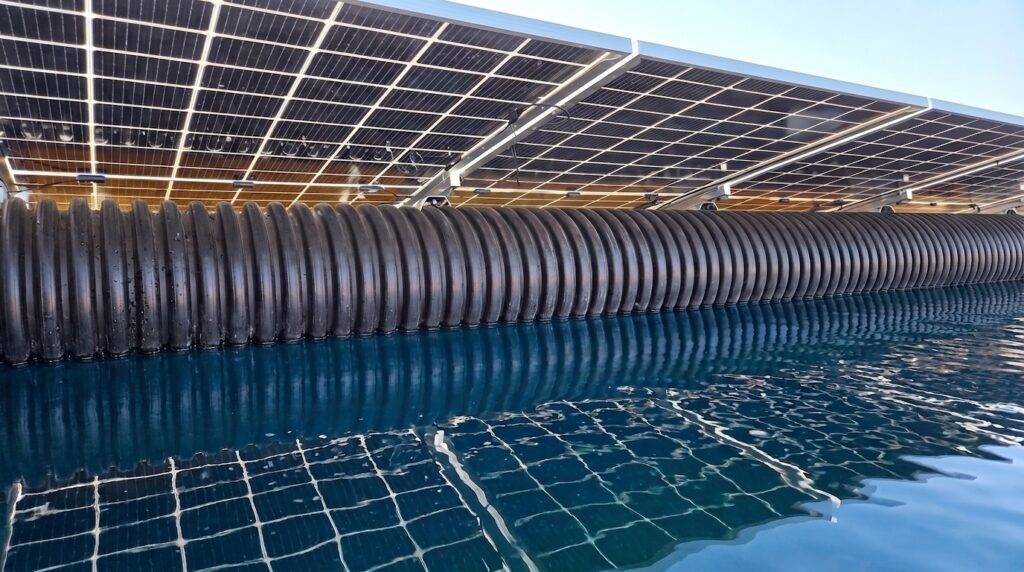
Unlike ground-mounted utility projects—where single-axis trackers dominate—floating PV systems have relied on fixed-tilt mounting platforms to adapt to aquatic environments. Airon uses a low-profile structure, passive stabilizers, and an automatic stow mechanism to bring horizontal single-axis tracking to water bodies, addressing wind shear, dynamic wave action, and water level fluctuations.
Without increasing nameplate capacity, single-axis tracking on water can increase energy generation per module, thereby improving energy density. This is particularly critical for project sites constrained by reservoir surface area or local grid interconnection.
Noria Energy CEO Alex Mayer said floating PV turns underutilized water surfaces into productive energy assets without competing for valuable land. Airon brings the generation benefits of solar tracking to water, and with installation costs equal to fixed-tilt systems, customers can gain up to 20% additional energy generation.
Airon is based on horizontal single-axis tracking technology. Its standard configuration uses a 1-in-portrait layout, with an optional 1-in-landscape configuration. The tracker is compatible with standard crystalline silicon modules. The floating torque tube is moored to perimeter floats, which are anchored to the waterbed, and stability is maintained through a passive self-resetting architecture. The equipment supports ground coverage ratios of 30% to 66%, with a standard tracking range of 20 degrees, optionally expandable to 30 degrees, and up to four electrical strings connected per row.
On the hardware side, the slewing drive mechanism is powered by a 24 V brushed DC motor; auxiliary power comes from string power or dedicated ultra-thin panels. For communication, each row's tracker controller is routed through a zone gateway, with each gateway managing up to 100 rows, then connected to a main controller, which can connect up to four gateways. When wind speeds exceed 35 mph, the system automatically performs high-wind stow to avoid environmental fatigue.
Previously in 2025, Noria installed a 50 kW floating tracking system at Fairmount Reservoir in Golden, Colorado, to test its operational limits under real utility conditions.
Under the plan, the first commercial pilot will be deployed by the end of 2026. The fully certified commercial version of the Airon system is expected to begin shipping to customer sites from mid-2027. All hardware is sourced from the domestic supply chain, and the structural design is intended to help developers qualify for the domestic content bonus under federal clean energy tax incentives.
Related Products
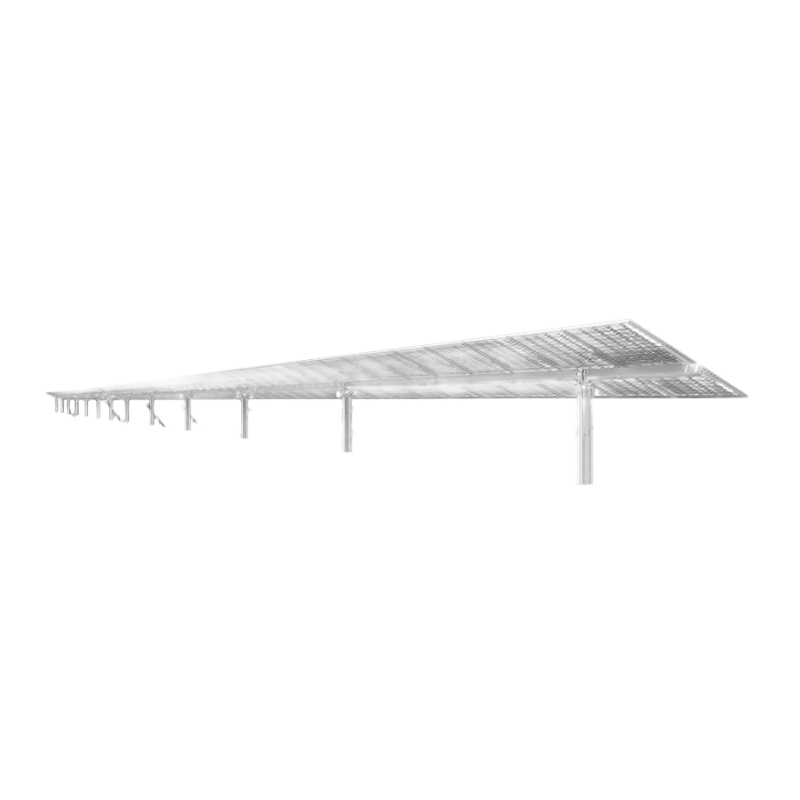

TAI Slew-drive Single-axis Independent 1P Tracking Bracket System
ANTAI TECHNOLOGY CO., LTD.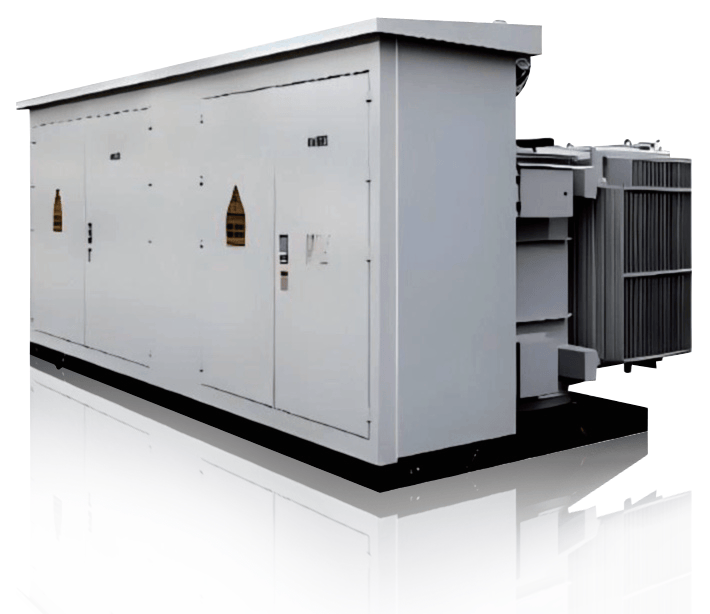
H-40.5/0.4~1.14kV New Energy Power Generation Dedicated High Voltage/Low Voltage Prefabricated Substation
XJ (Xiamen) Intelligent Power Equipment Co., Ltd.

G.652.D Wavelength-extended Non-dispersion Shifted Single-mode Optical Fiber
HONGAN GROUP CO., LTD.
Electromagnetic Fluid Seawater Floating Oil Separation and Recover Equipment
Huate Magnet Group Co., Ltd.