China's Gravity-2 rocket is planned to make its maiden flight in the fourth quarter of 2026, with a low Earth orbit payload capacity of 21.5 tonnes
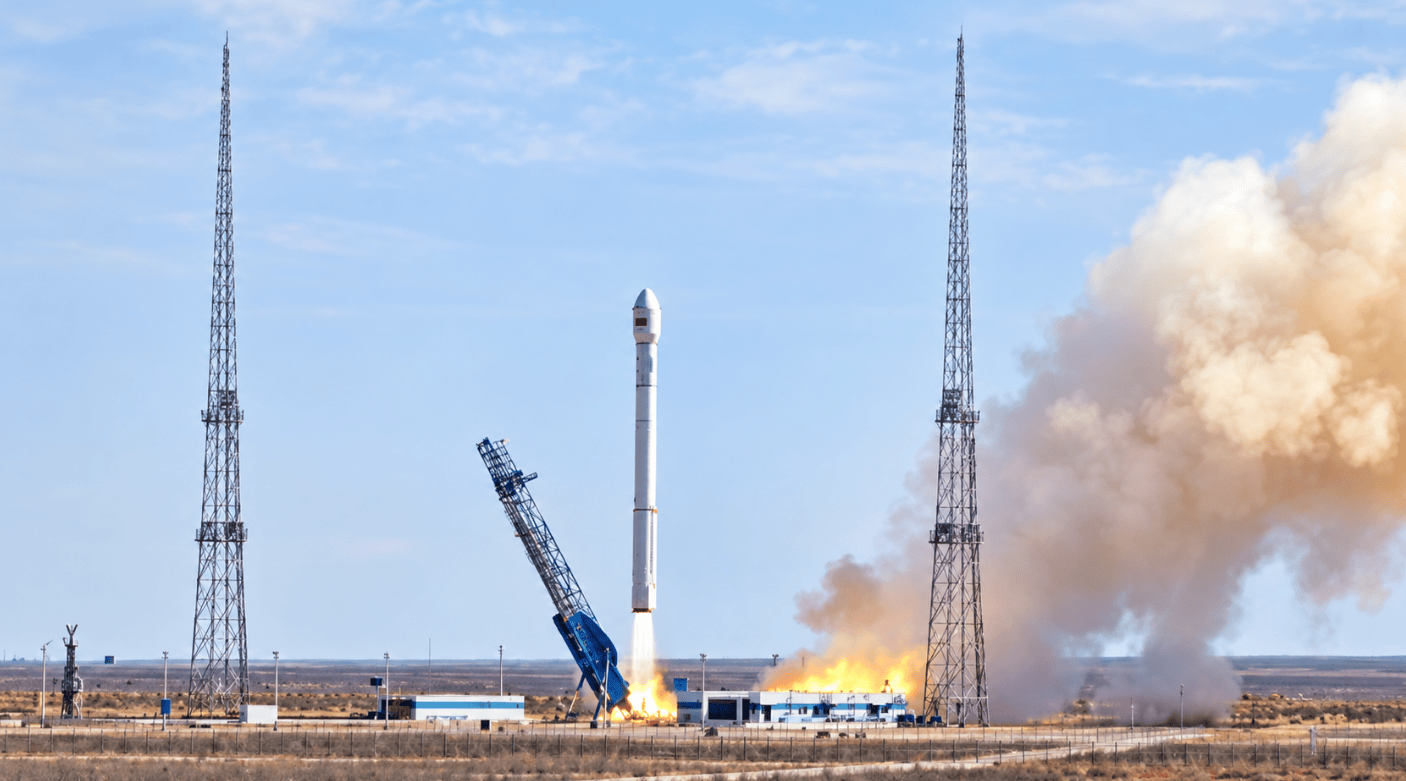
en.Wedoany.com Reported - On September 16, Orienspace is accelerating the development of the Gravity-2 reusable medium-to-large liquid launch vehicle. According to the latest progress disclosed by Orienspace, Gravity-2 is currently in the stage of various large-scale ground tests before its maiden flight and is expected to meet the conditions for its maiden flight in the fourth quarter of 2026. This rocket has a low Earth orbit payload capacity of 21.5 tonnes and a 500-kilometer sun-synchronous orbit payload capacity of 15 tonnes, mainly targeting large-scale constellation deployment of medium-to-large satellites and commercial high-orbit launch missions.
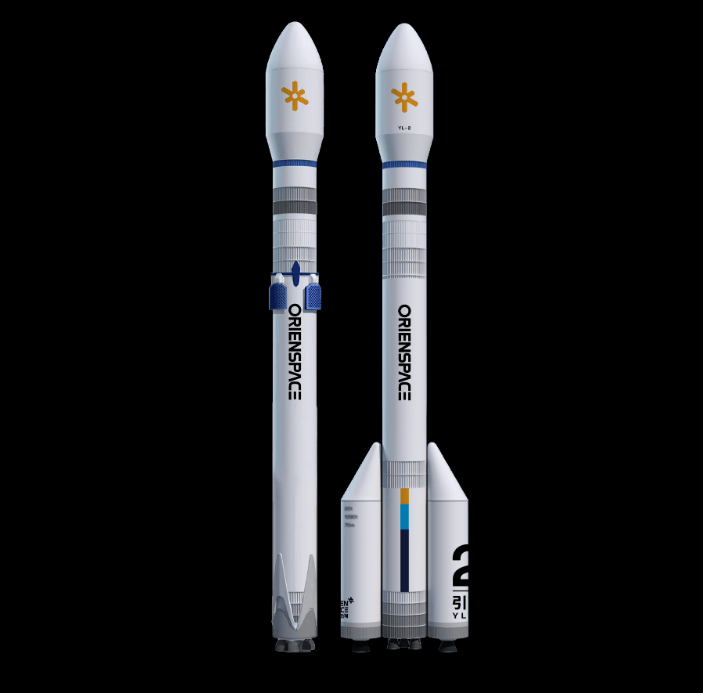
Gravity-2 adopts a two-stage liquid oxygen/kerosene propulsion scheme. The rocket is about 70 meters tall, with a core stage diameter of 4.2 meters, a fairing diameter of 5.2 meters, a liftoff weight of about 715 tonnes, and a liftoff thrust of about 990 tonnes. The first stage is equipped with nine "Yuanli-110" liquid oxygen/kerosene engines independently developed by Orienspace, and the second stage is equipped with one vacuum version of the "Yuanli-110" engine; the first stage is designed according to a recovery and reuse scheme.
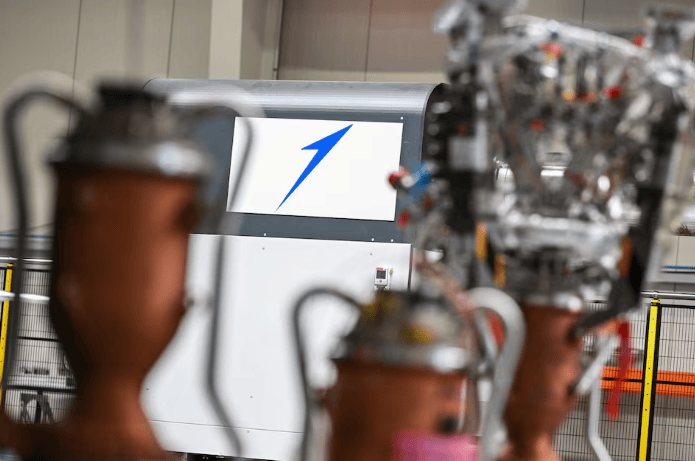
The "Yuanli-110" is the core power equipment of Gravity-2, with a sea-level thrust of 110 tonnes and a vacuum thrust of 122 tonnes. It adopts liquid oxygen/kerosene propellant and a gas generator cycle technical route, with a thrust adjustment range of 40%–110%. This engine has completed multiple rounds of full-engine hot fire tests, and its capabilities such as multiple ignitions and deep throttling are used to meet the requirements of first-stage return deceleration and landing control. Orienspace's design goal is for a single engine to be reused more than 20 times.
Orienspace has established a liquid rocket engine R&D and manufacturing base in Wuxi. Public information shows that the base is planned to form an annual production capacity of 100–300 liquid rocket engines in the future, which can support about 10–30 Gravity-2 flight missions per year. The planned engine output in 2026 is about 20 units, with subsequent gradual increases; at present, about 65% of engine components can be sourced locally in Wuxi.
In terms of launch cost control, Gravity-2 takes first-stage recovery and reuse and high payload capacity as its main design directions. Orienspace previously disclosed that Gravity-2's 500-kilometer sun-synchronous orbit payload capacity reaches 15 tonnes, which can meet the launch needs of large-batch satellite constellation deployment; by increasing the payload scale per launch, first-stage reuse, and engine standardization and 3D printing manufacturing, the launch cost per unit payload is further reduced. Orienspace has not yet published a specific commercial launch price for Gravity-2, so "a substantial reduction in launch price" remains a cost target rather than a confirmed public quotation.
The Gravity-2 project has previously moved from the prototype development stage to the large-scale ground test stage. Orienspace disclosed in July that this rocket is conducting large-scale ground tests before its maiden flight, that the "Yuanli-110" engine has completed multiple rounds of full-system hot fire tests, and that it is expected to be ready for installation on the rocket before the end of 2026. Information published by the Beijing Economic-Technological Development Area in September further confirmed that Gravity-2 is still in the development stage, is planned to achieve its maiden flight in 2026, and will continue to carry out reusable technology verification.
According to Orienspace's existing product system, Gravity-1 mainly undertakes large-scale constellation deployment missions for small and medium-sized satellites, with a low Earth orbit payload capacity of 6.5 tonnes; Gravity-2 increases the low Earth orbit payload capacity to 21.5 tonnes and adds first-stage recovery and reuse capability. Orienspace officially positions it in the market for large-scale constellation deployment of medium-to-large satellites and commercial high-orbit launches.