£90 Million Deep-Water Terminal at Belfast Harbour Advances Construction
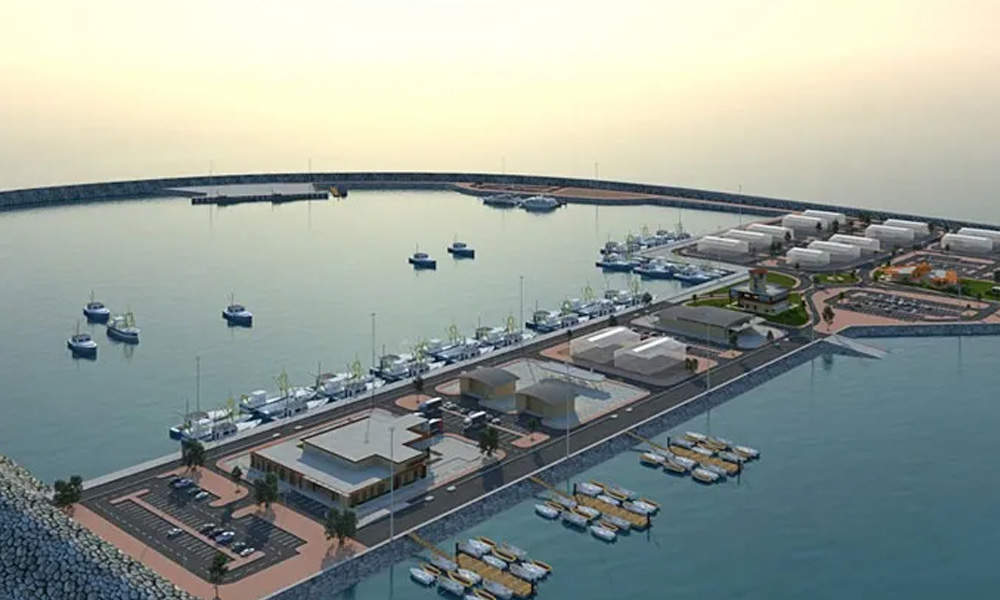
en.Wedoany.com Reported - On September 18, Belfast Harbour in the United Kingdom is advancing the D3 deep-water terminal project, converting approximately 46 acres of reclaimed land at the northern end of the port area into a heavy-duty deep-water berth. With a total investment of approximately £90 million, it is currently the largest single capital project at Belfast Harbour. Once completed, it will primarily accommodate large cruise ships, while also supporting offshore wind equipment assembly and installation as well as breakbulk and project cargo operations.
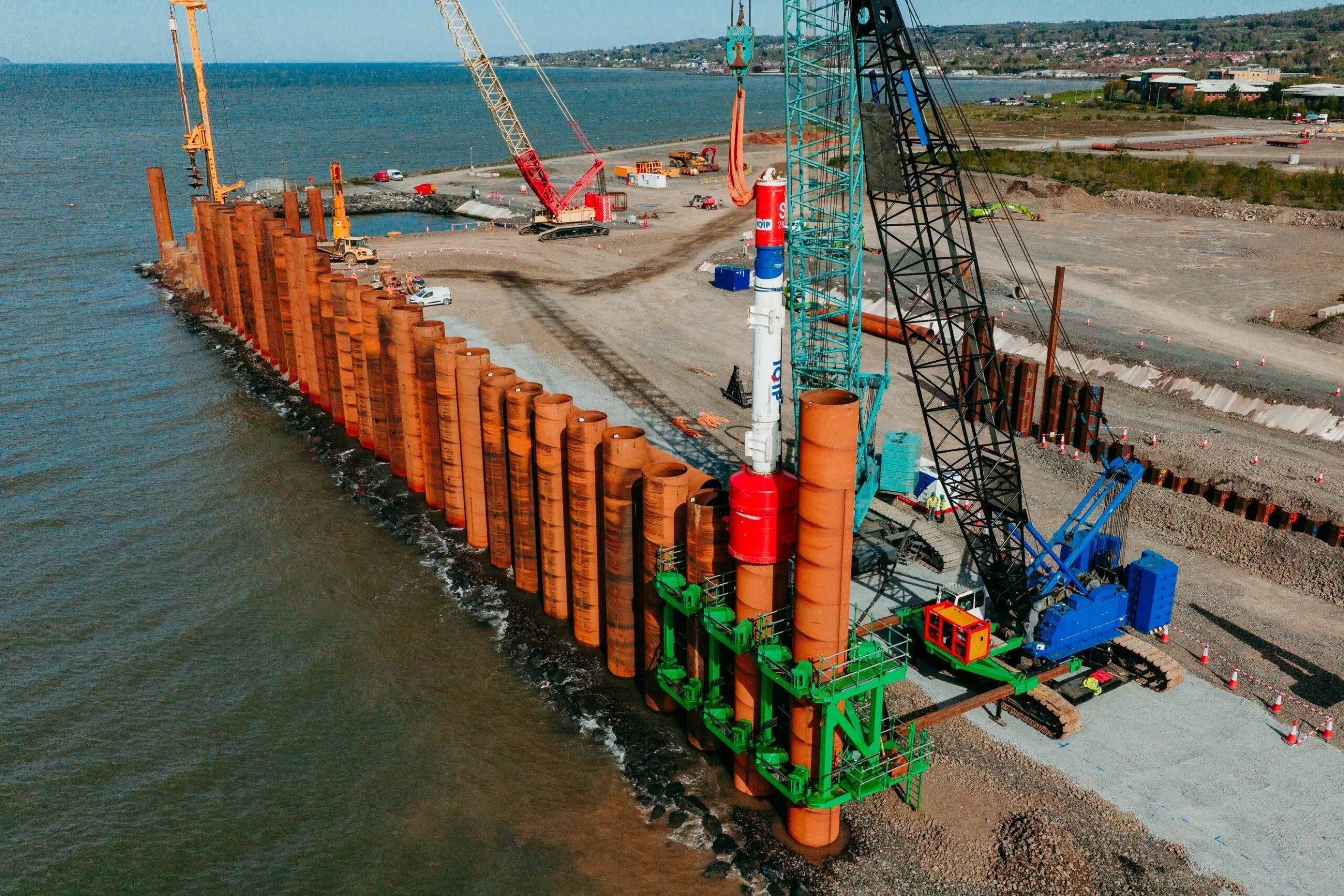
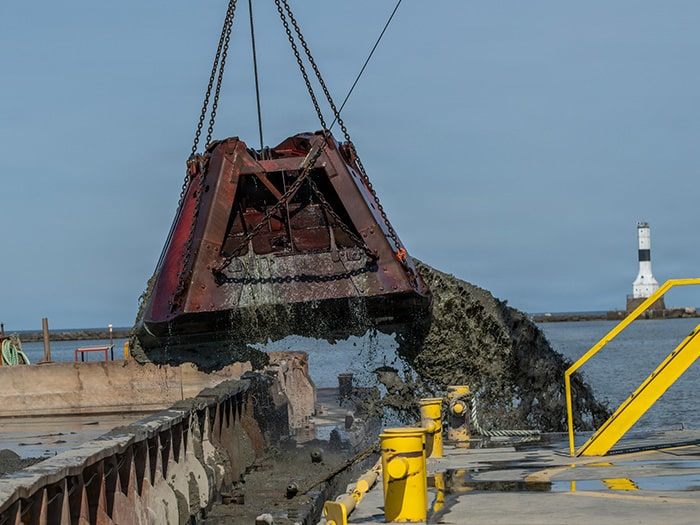
The main structure includes a combined quay wall approximately 340 meters long, with mooring dolphins and return walls at both ends. The main quay structure will be built approximately 60 meters outside the existing revetment. Compacted rock backfill will be used behind the quay wall, with a heavy-duty piled relieving slab approximately 35 to 50 meters wide constructed along the shore. The berth and approach areas will be dredged to a maximum depth of approximately -13 meters chart datum, capable of accommodating vessels up to approximately 360 meters in length.
The works also include hardening of the yard area behind the port, drainage systems, fender systems, bollards, high-mast lighting, cruise terminal building foundations, electrical infrastructure, and a new port access road, along with associated power supply, water supply, communication conduits, and sewage facilities. Belfast Harbour has appointed GRAHAM Construction to participate in the project construction, and marine works and site development are currently progressing.
The area where the D3 terminal is located is existing reclaimed land, and construction requires addressing complex backfill soils, soft alluvial layers, and high-load conditions. The quay wall adopts a composite structure of large-diameter steel pipe piles and steel sheet piles, with ground treatment to control quay settlement and lateral displacement, in order to meet the berthing requirements of large cruise ships as well as future offshore wind installation vessels and heavy lifting equipment operations. Construction is also constrained by tidal windows, busy navigation channels, and environmental protection requirements for Belfast Lough.
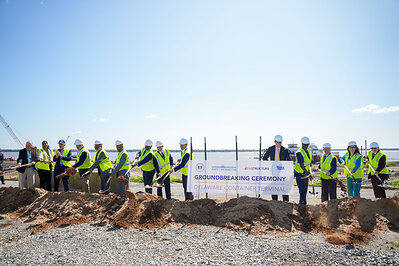
On-site works commenced in June 2024. Belfast Harbour's construction plan published in 2025 shows that marine works and site development continue to advance, with adjustments made to certain onshore facility schemes during the detailed design phase. The port disclosed in 2026 that the new deep-water cruise terminal is under construction and is scheduled to enter operation in 2028.
Belfast Harbour currently handles over 300,000 cruise passengers annually. Once the new terminal is operational, it will accommodate larger cruise ships and release capacity at existing berths. The port has also reserved conditions for further development for next-generation offshore wind turbine assembly and installation operations. Belfast Harbour's 2025–2029 investment plan allocates £313 million, of which £208 million is for port infrastructure and £90 million for the new deep-water terminal construction.
Belfast Harbour's latest master plan also proposes future investment of approximately £1.3 billion to advance port infrastructure expansion, including the D3 deep-water terminal, a new freight terminal at West Bank Road, deep-water terminal renovation at Stormont Wharf, container berth extension, shore power facilities, a logistics park, and a clean energy hub.
Related Products
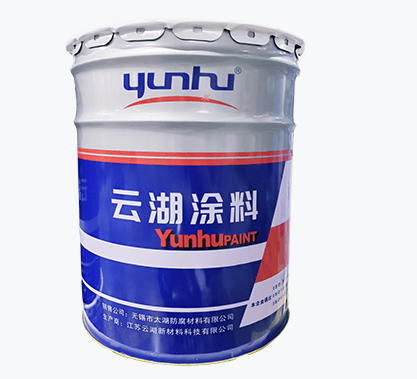

YHTank8400N Solvent-Free Liquid Epoxy Coating
JIANGSU YUNHU NEW MATERIAL TECHNOLOGY CO., LTD.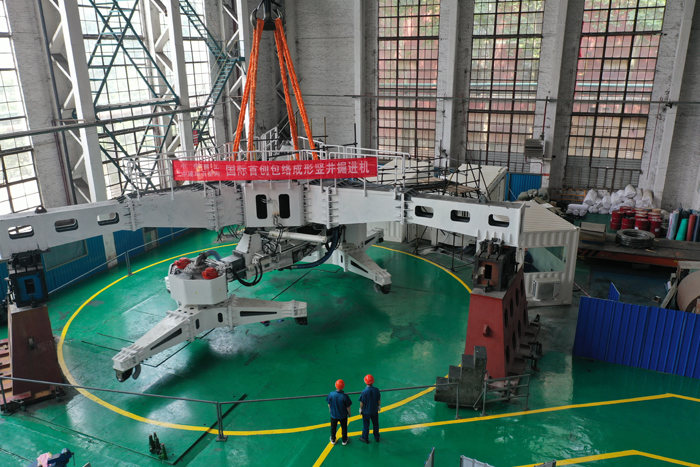
CITIC Heavy Industries Tunneling Equipment Tunnel Engineering Shield Machine
CITIC Heavy Industries Co., Ltd.
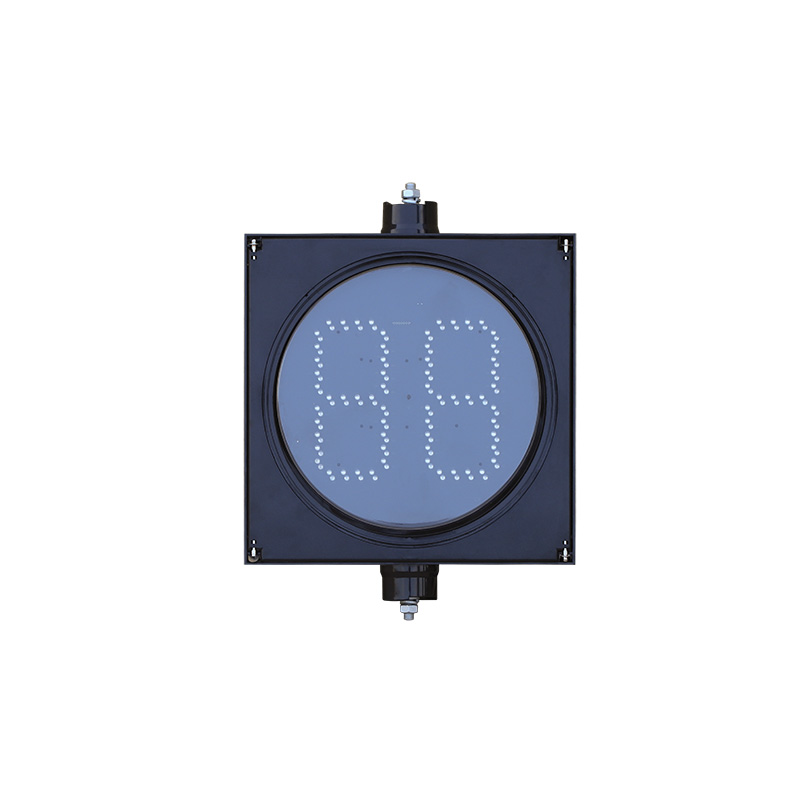
300mm Segment Type Countdown Traffic Light (Core Type)
Yangzhou FAMA Intelligent Equipment Co., Ltd.
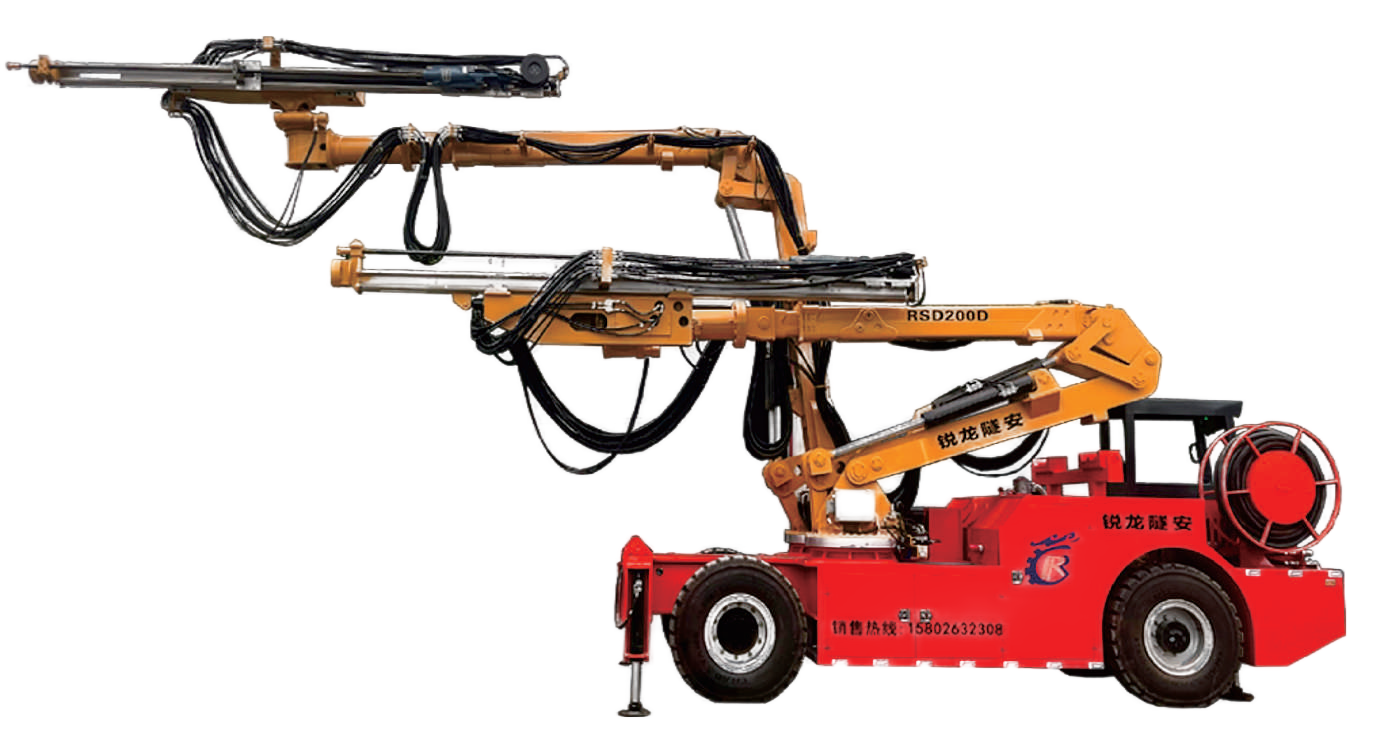
Dual-curved Arm Rock Drilling Trolley RSD200D
Chengdu Ruilong Machinery Manufacturing Co., Ltd.
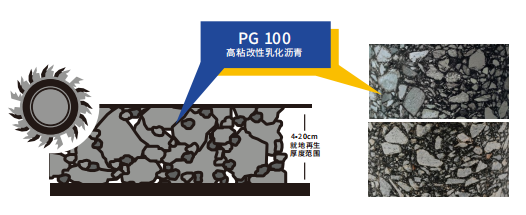
High-toughness in-Situ Cold Recycling Technology for Original Structural Layers
Central Fortune Creation Technology Group Co., Ltd.
West China Xiamen Hospital of Sichuan University
Wuhan Huakang Century Clean Technology Co., Ltd.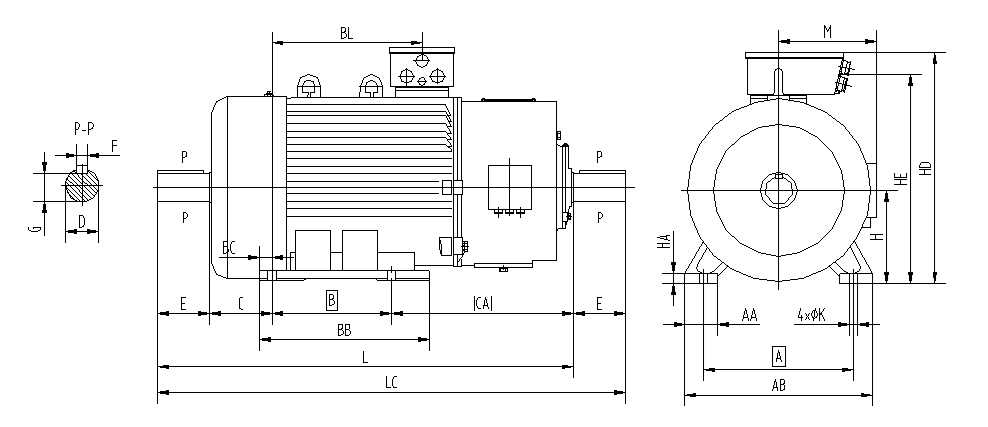
YZR (450-560) Series Wound Rotor Three-Phase Asynchronous Motors for Crane and Metallurgical Applications
Jiamusi Electric Machine Co., Ltd.