UK's Lower Thames Crossing Deploys Over 30 Zero-Emission Construction Machines
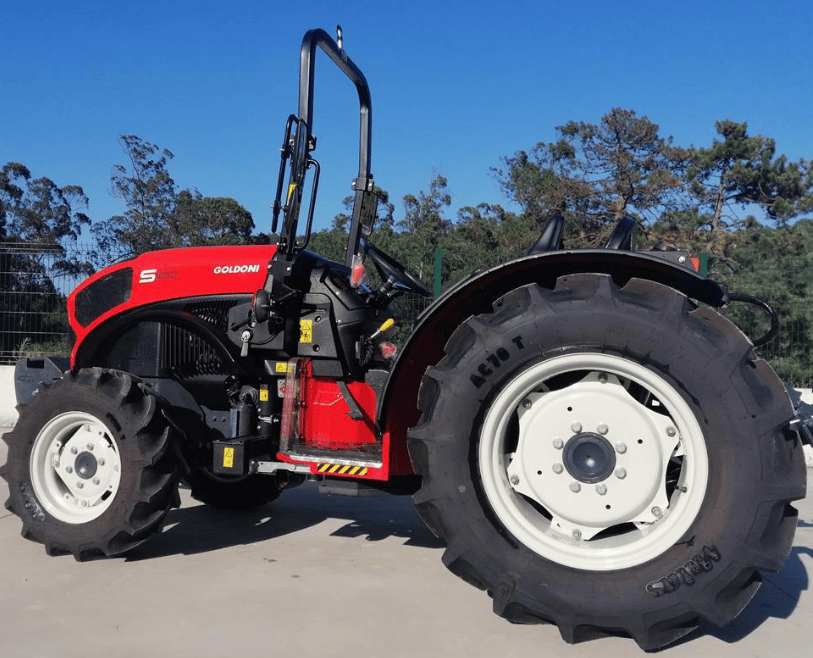
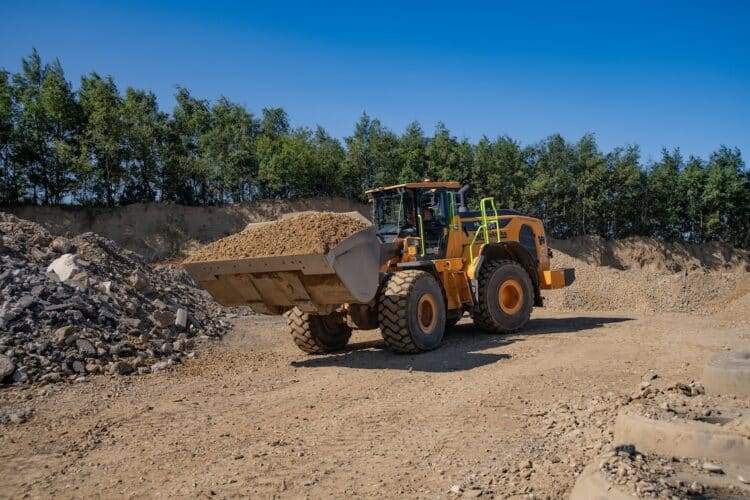
en.Wedoany.com Reported - National Highways has published the latest construction equipment deployment update for the Lower Thames Crossing project. More than 30 zero-emission construction machines are now in use across multiple work sites in Kent and Essex, and the number of related equipment is expected to rise to approximately 150 by the construction peak in 2028. Equipment currently deployed includes 20-tonne excavators, rollers, tractors, telehandlers and hydrogen-powered generators.
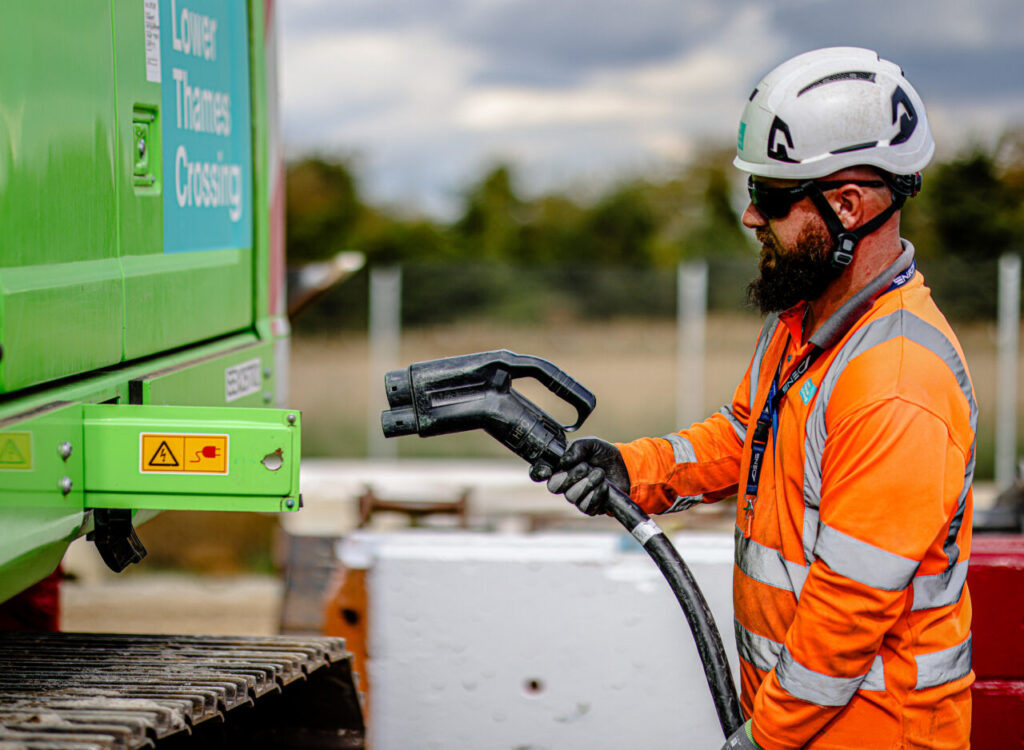
Construction of the Lower Thames Crossing began in early 2026, and on-site construction machinery currently uses electricity, hydrogen and HVO fuel. National Highways has banned diesel equipment from the project's construction sites since 2025. The project's north tunnel portal construction site is currently powered entirely by green hydrogen supplied by GeoPura.
The project previously deployed a JCB hydrogen-powered excavator in Kent for ground investigation near Gravesend. The machine was operated by the Skanska construction team, with fuel supplied by Ryze, marking the first time this model has been used on-site outside a test environment. Test data published by National Highways states that the machine reduced emissions by more than 1 tonne of CO2 equivalent in its first 4 weeks of operation.
The Lower Thames Crossing connects Kent and Essex. The main works include a twin-bore road tunnel beneath the River Thames and connecting roads on both banks. Tunnel construction will use tunnel boring machines with a diameter of 16.4 metres, a length of approximately 120 metres and a weight of more than 5,000 tonnes. The equipment is planned to arrive in sections by sea at the Port of Tilbury, with tunnelling set to begin in 2028.
Tunnel design and construction is being carried out by a joint venture comprising Bouygues Travaux Publics and J Murphy & Sons. The two tunnels will be approximately 2.6 miles long, with three lanes in each bore. The Kent road works are being undertaken by Skanska. The project received planning consent in March 2025, secured the remaining public funding arrangements in November of the same year, and subsequently entered the construction phase in 2026.
The Lower Thames Crossing is currently still progressing on a timetable for opening to traffic in the early to mid-2030s. National Highways has listed the project as a low-carbon construction demonstration project and disclosed progress on the deployment of zero-emission machinery, hydrogen power supply and other construction emission-reduction equipment in its 2025–2026 sustainability report.
Related Products

300mm Segment Type Countdown Traffic Light (Core Type)
Yangzhou FAMA Intelligent Equipment Co., Ltd.

Metal sound barriers that can reduce the transmission of road noise
Hebei Jinbiao Construction Materials Tech Corp., Ltd.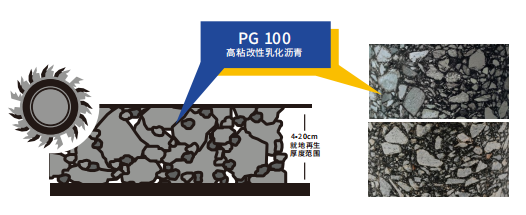
High-toughness in-Situ Cold Recycling Technology for Original Structural Layers
Central Fortune Creation Technology Group Co., Ltd.
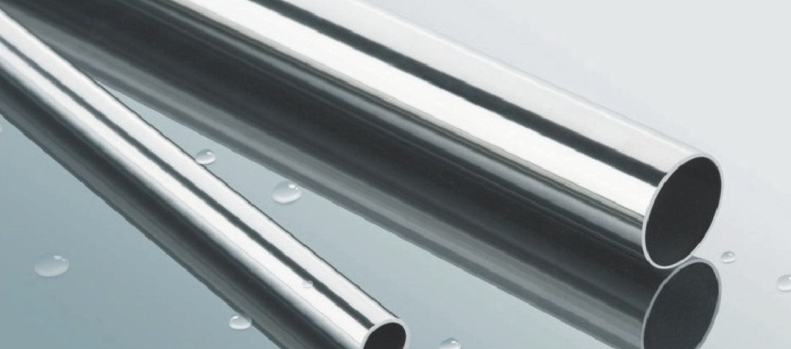
ERW Welded Pipe (Black Pipe and Hot-dip Galvanized Steel Pipe)
Handan Zhengda Steel Pipe Co., Ltd.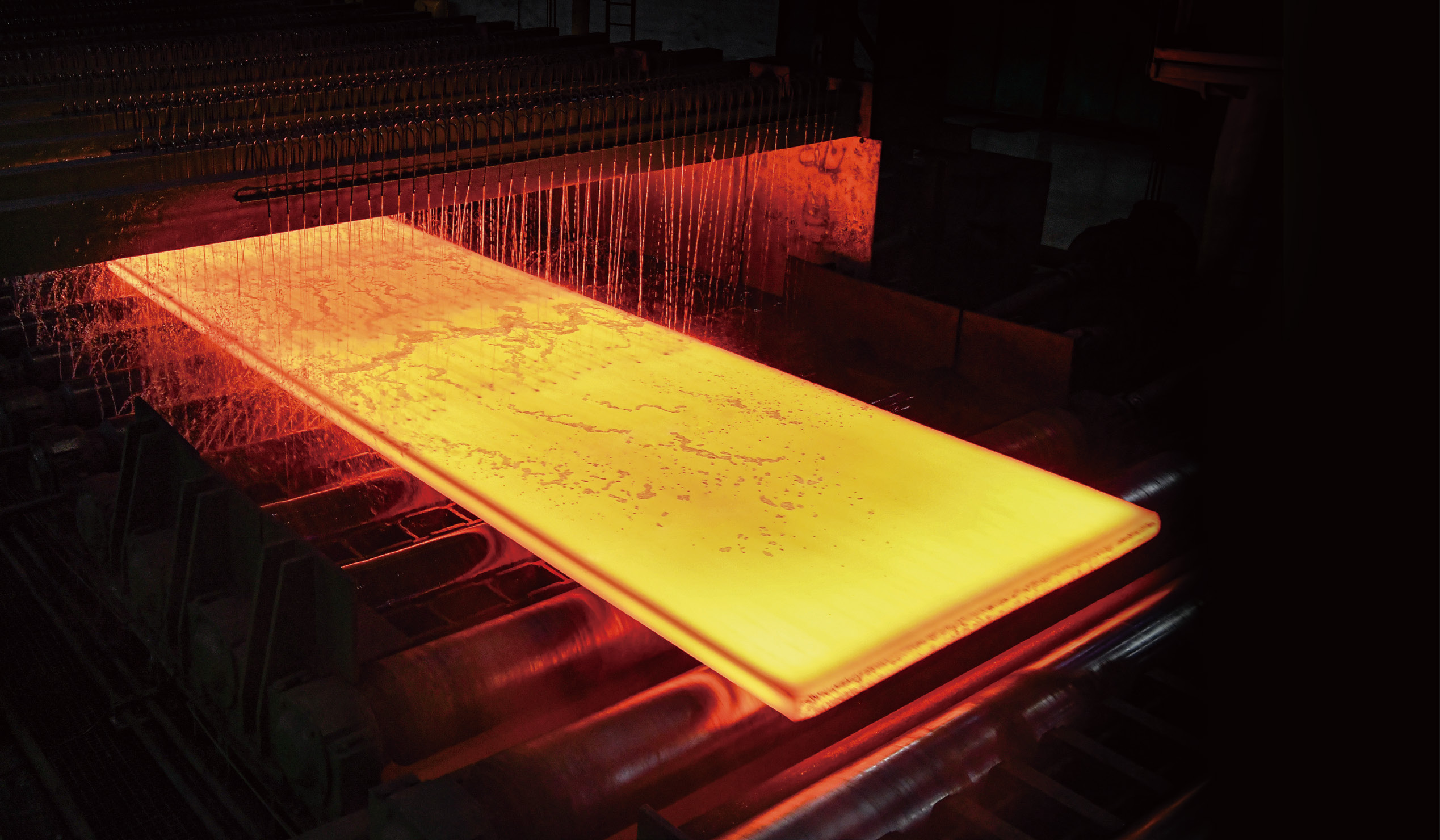
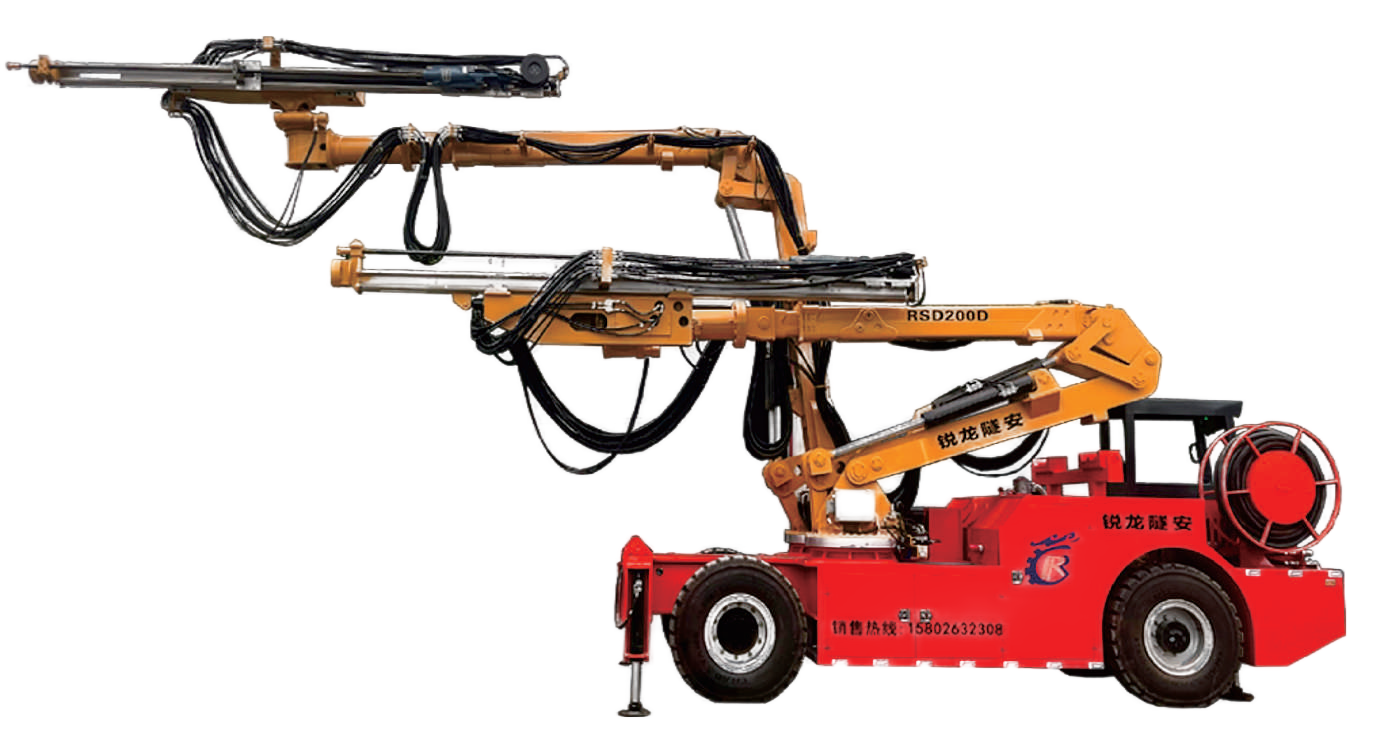
Dual-curved Arm Rock Drilling Trolley RSD200D
Chengdu Ruilong Machinery Manufacturing Co., Ltd.

Ultra-Pure Ferrite Stainless Steel Products
Gansu JISCO Group Hongxing Iron and Steel Co., Ltd.
Aoxuan Intelligent Precision Air Conditioning Unit
SHANGHAI AOXUAN PURIFICATION TECHNOLOGY CO., LTD.