India's Cement Industry Carbon Emissions Rise to 224 Million Tonnes, Groundwater Dependence Intensifies
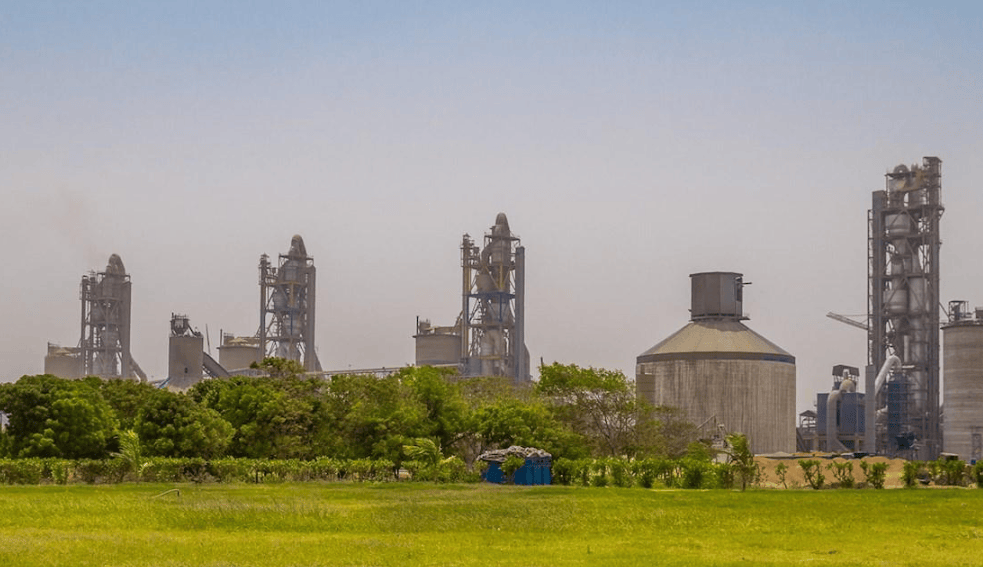
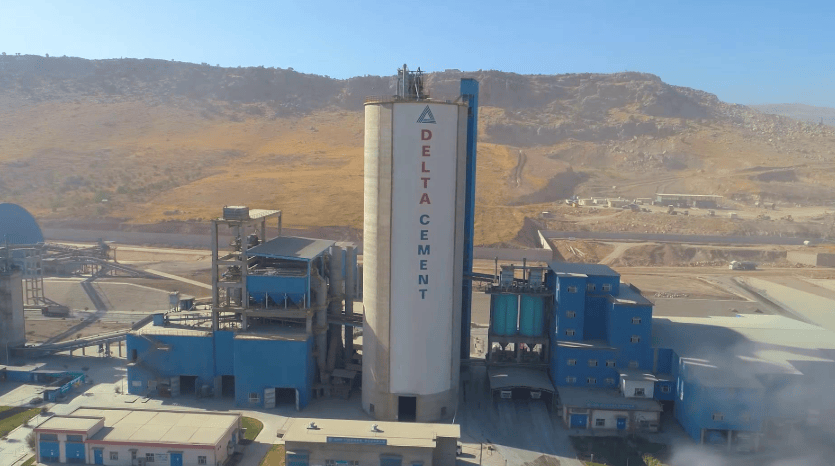
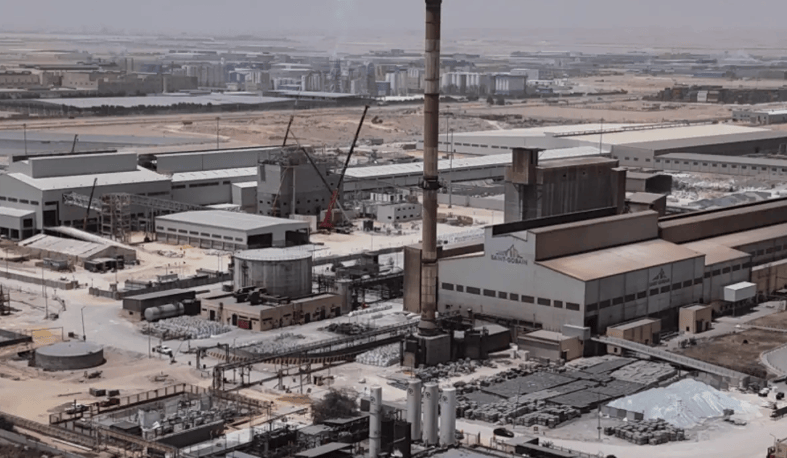
en.Wedoany.com Reported - On October 29, the International Forum for Environment, Sustainability and Technology (iFOREST) of India released an environmental, social and governance performance assessment report on the cement industry. The report shows that in the 2024–2025 fiscal year, the total carbon dioxide emissions of India's cement industry increased by 4% year-on-year, reaching 224.3 million tonnes, accounting for approximately 6%–7% of the country's total carbon emissions. During the same period, the share of groundwater extraction in water-stressed areas rose from 27% to 38%, with pressure from industry production expansion and water resource utilization increasing simultaneously.
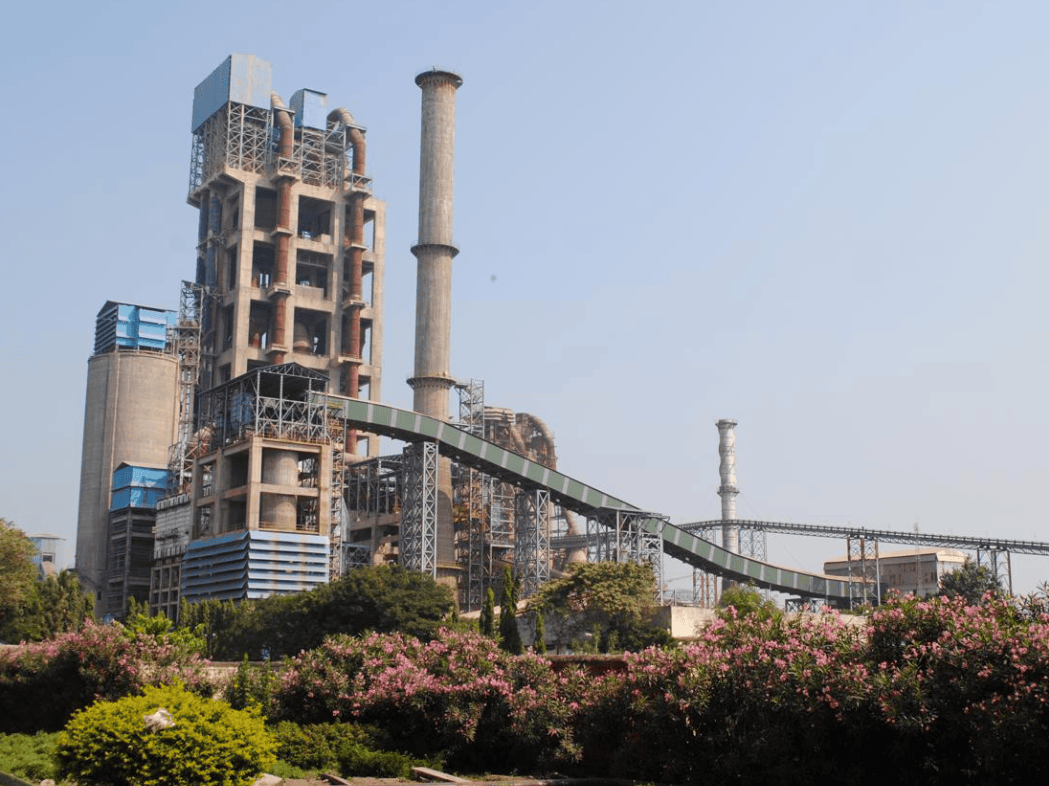
This study sampled 18 Indian cement companies, covering approximately 87% of the country's cement output, and assessed 107 indicators based on the Business Responsibility and Sustainability Reporting (BRSR) framework of the Securities and Exchange Board of India. The study covers corporate disclosure data for the 2023–2024 and 2024–2025 fiscal years, including indicators such as energy consumption, carbon emissions, water resource utilization and occupational safety.
In terms of carbon emission performance, the carbon dioxide emission intensity per unit of product in India's cement industry decreased from 0.58 tonnes to 0.57 tonnes per tonne. In the 2024–2025 fiscal year, energy consumption per tonne of cement produced was approximately 2.54 gigajoules, lower than the global average of 2.88 gigajoules, but the share of renewable energy in the industry's energy mix was only 5.1%.
Water resource data shows that total water withdrawal by the companies covered in the study decreased by 9.5% year-on-year, but water withdrawal in water-stressed areas increased by more than 20%, with Rajasthan being the main concentration area. The proportion of groundwater extraction in these areas rose by 11 percentage points, and the relative share of surface water and other supply sources in the water withdrawal mix of local companies changed.
Occupational safety indicators also showed changes. In the 2024–2025 fiscal year, the number of work-related injuries among the companies covered in the study rose from 263 in the previous fiscal year to 359, an increase of 36.5%; the number of fatalities increased from 17 to 22. The survey involved approximately 228,000 industry employees, of whom contract workers accounted for 63% and female employees accounted for 3.1%.
iFOREST proposed in the report that dedicated sustainability disclosure guidelines be developed for the cement industry, environmental performance statistical indicators be unified, mandatory disclosure of production data be promoted, and a third-party verification mechanism be introduced. The report also recommends strengthening the implementation and assessment of corporate environmental, social and governance policies.
Related Products
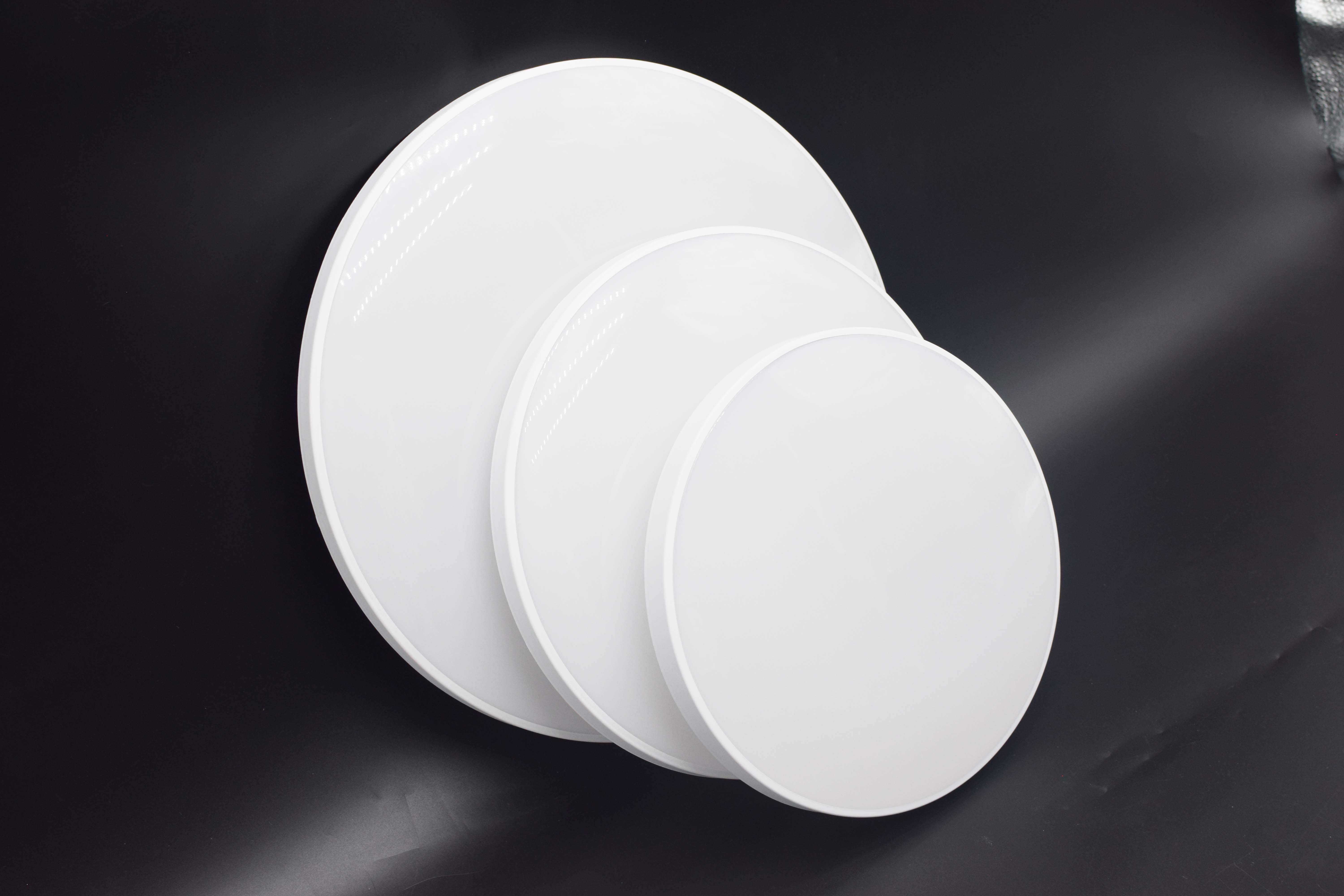

Ceiling light | led Ceiling Light | LED Indoor light | LED Ceiling lighting
Queendom Group Technology Co., Ltd.
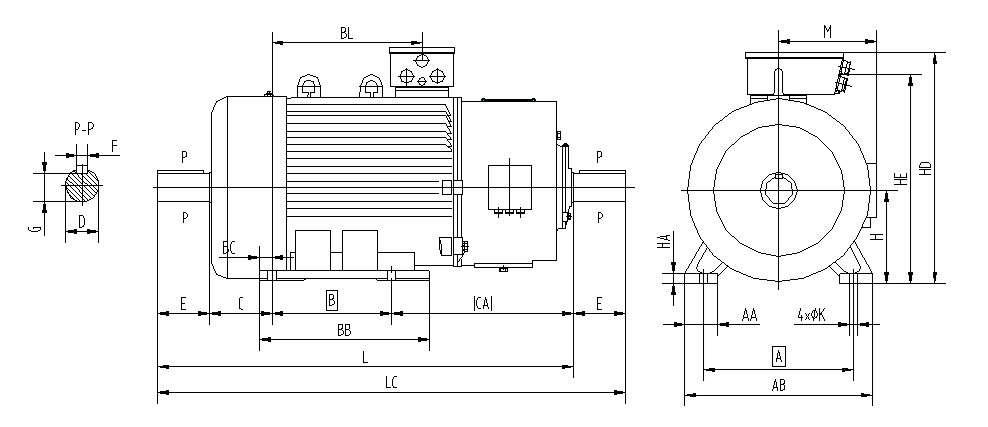
YZR (450-560) Series Wound Rotor Three-Phase Asynchronous Motors for Crane and Metallurgical Applications
Jiamusi Electric Machine Co., Ltd.

West China Xiamen Hospital of Sichuan University
Wuhan Huakang Century Clean Technology Co., Ltd.