Kyrgyz Flour Producers Tasked With Producing 200,000 Tons of Wheat Annually
Wedoany.com Report-Jul. 26, During a foundation-laying ceremony for the Orion-Extra milling plant in Jaiyl district, Deputy Chairman of the Cabinet of Ministers and Minister of Water Resources, Agriculture, and Processing Industry of Kyrgyzstan, Bakyt Torobaev, announced a key initiative aimed at strengthening domestic wheat production. He called on Kyrgyzstan’s flour producers to ensure the production of at least 200,000 tons of food-grade wheat annually.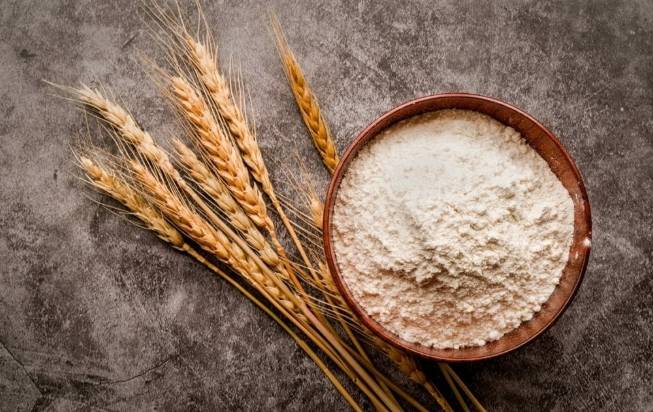
According to the Ministry of Agriculture, this target would allow Kyrgyzstan to meet its wheat needs for four to five months each year using locally grown crops. Torobaev emphasized that the ministry's ongoing measures are designed to reduce the cost of wheat and increase the competitiveness of domestic production. He stated: “By producing 200,000 tons of wheat annually, we can supply ourselves with locally grown wheat for four to five months of the year. The measures taken by the Ministry of Agriculture are aimed at reducing the cost of wheat. If we continue to sell wheat at 15 soms per kilogram and neglect the industry, we won’t be able to compete with wheat from Kazakhstan and Russia. Therefore, if flour producers collaborate closely with rural farmers, understand their challenges, and help address them, the situation will improve. The ministry is ready to provide comprehensive support — from seed selection and soil analysis to mechanization and more.”
Kyrgyzstan’s economic performance in the first half of 2025 showed notable growth, with GDP reaching 711.18 billion soms — an increase of 11.7% compared to the same period in 2024. The agricultural and processing sectors have played a key role in this development. From January to June, the food processing industry alone produced goods worth more than 48 billion soms, with a physical volume index of 144%.
The flour milling sector is experiencing strong momentum. Between January and May 2025, over 215,000 tons of grain were processed, generating nearly 3.9 billion soms in value. The Orion-Extra milling plant, currently under development, is expected to significantly boost the sector's capacity. Once operational, it will be able to process up to 250 tons of grain per day — three times the capacity of the existing facility.
The new mill is also expected to create broader economic benefits for the region. In addition to processing, the plant is anticipated to stimulate activity in logistics, packaging, and trade, enhance local industrial infrastructure, and improve the overall investment climate.
The government’s strategy aims to support self-sufficiency in staple food production, stabilize prices, and reduce reliance on imports, while encouraging closer cooperation between agricultural producers and the food processing industry.
Related Products

4HS-8 High-efficiency Peanut Inverted-laying Harvester
Hebei Yongfa Hongtian Agricultural Machinery Manufacturing Co., Ltd.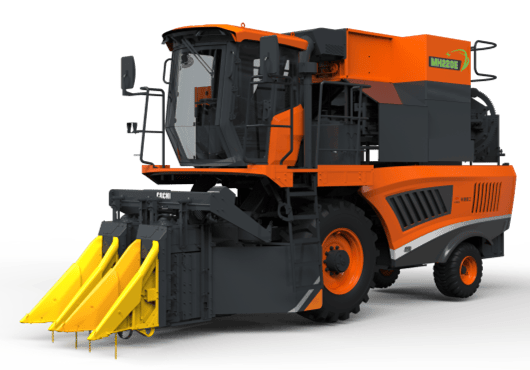
MH220E Two-Row Hybrid Packaged Cotton Picker
CHINA RAILWAY CONSTRUCTION HEAVY NDUSTRY XINJIANG CO., LTD.

714CD Series C-Band Weather Radar
Chengdu Zhongdian Jinjiang Information Industry Co., Ltd.

Industrial and Commercial Point-Type Gas Detector
Jinan Benan Technology Development Co., Ltd.