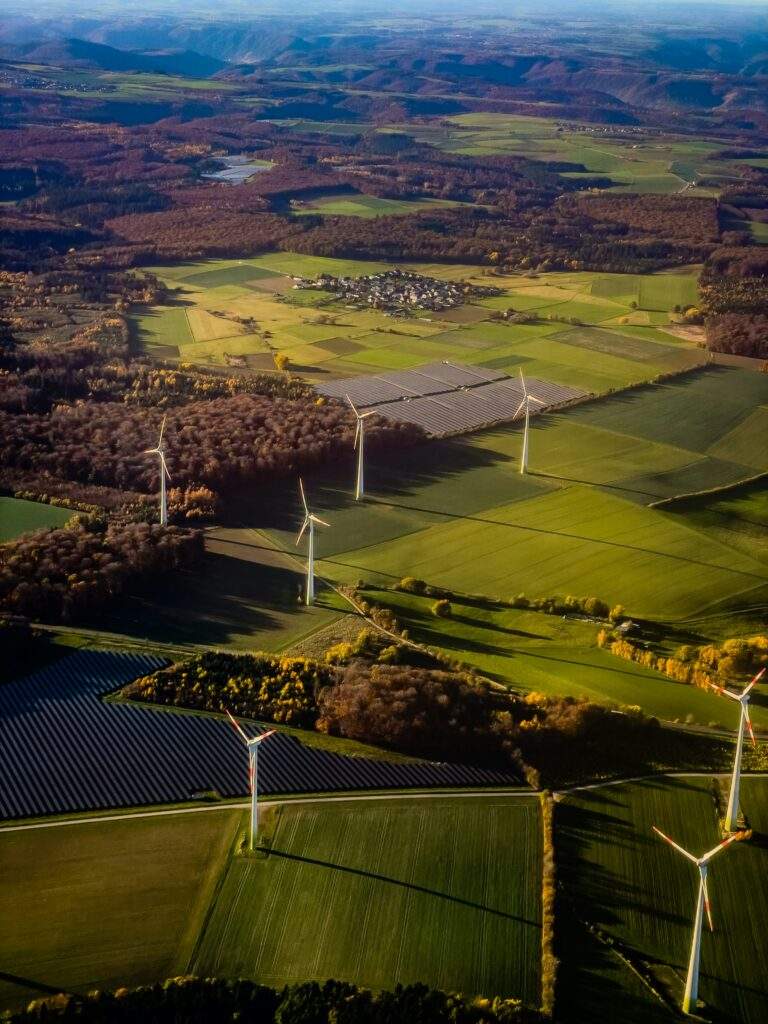
Slovenia Deploys 85 MW of Solar in H1
Wedoany.com Report-Aug. 9, In the first half of 2025, Slovenia added 85 MW of new solar capacity, according to the Slovenian Photovoltaic Association (Združenje Slovenske Fotovoltaike). This marks the lowest increase in the past four years, mainly due to a sharp decline in residential installations—the country’s traditionally strongest segment.
Nina Hojnik, Director of the Association, explained to pv magazine that most residential systems connected in early 2025 were actually installed in 2024, prior to the expiration of the net-metering scheme, but experienced delays in grid connection. She noted: “Without that, the picture would be quite different.” The association worked to ensure that these systems remained eligible for net-metering despite the timing.
Only about 500 residential systems were connected without net-metering during the January–June 2025 period, compared to approximately 10,000 in previous years over the same timeframe. Hojnik attributed the slowdown to public distrust stemming from negative media coverage and the impact of electricity tariff changes implemented in October 2024.
Despite these challenges, Slovenia still offers supportive conditions for solar adoption. Funding opportunities are available across all market segments, and support for standalone battery systems continues. Subsidies for residential hybrid systems remain substantial, with returns designed to be comparable to those previously offered under net-metering. However, consumer uptake has been cautious.
Hojnik emphasized the need for a more investor-friendly process: “We need a two-phase procedure that would secure the funds for investors before the realized project. This would ensure the investor gets the guarantee of receiving the money once the project is completed and would also allow the installation companies to offer more favorable conditions to customers.”
Slovenia’s commercial and industrial (C&I) segment, primarily consisting of medium-sized rooftop projects, became the leading market segment in early 2025, accounting for around half of new solar capacity during the period. Hojnik highlighted a positive trend in connection permits, suggesting continued growth in this area.
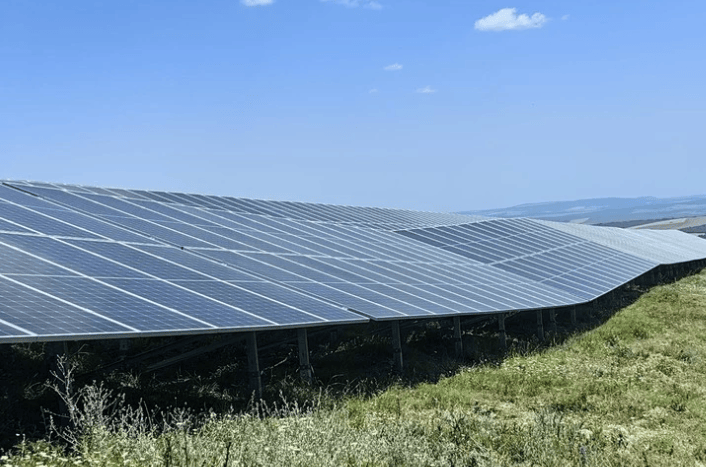
The utility-scale segment remains at an early stage but has shown progress. Two utility-scale plants totaling 7.4 MW were connected in the first six months of 2025, up from 6.5 MW added throughout 2024. Nine permits for large-scale projects, totaling 27 MW, were approved during the same period. In May, the government approved a spatial plan for a 30 MW solar installation.
Notable projects connected in early 2025 include a 2.9 MW solar facility located at the upper reservoir of the Avce pumped-storage hydropower plant, with plans to expand to 8 MW by the end of 2026. Additionally, Slovenia connected its largest rooftop solar array to date—a 4.4 MW system on the roof of Gorenje-Hisense’s industrial plant.
Slovenia installed 298 MW of solar capacity in 2024 and 400 MW in 2023. As of mid-2025, the country’s total cumulative solar capacity reached 1.5 GW.
Related Products
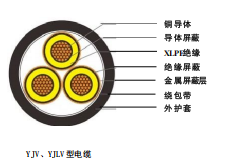

Rated Voltage 6-35kV Cross-linked Polyethylene Insulated Power Cable
TONGDING INTERCONNECTION INFORMATION CO., LTD.

Perfluorinated Ionic Membrane-CM-10N Series Membrane
Guizhou Juneng Century Technology Co., Ltd

G.652.D Wavelength-extended Non-dispersion Shifted Single-mode Optical Fiber
HONGAN GROUP CO., LTD.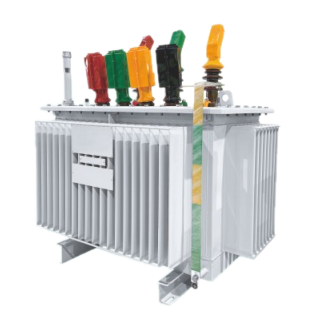
IS(B)□-M·RL Series Oil-immersed 3D Transformer (Planar / 3D Wound Core)
Guangdong Kehua Electric Power Technology Co., Ltd.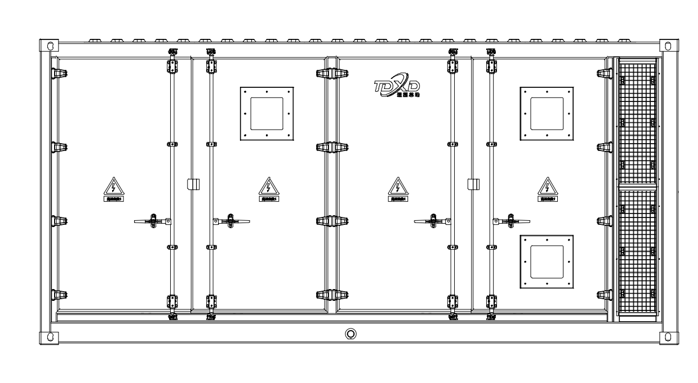
5012kWh DC Energy Storage System TD-EES-5012kWh
Suzhou Tongding Xindong Energy Storage Technology Co., Ltd.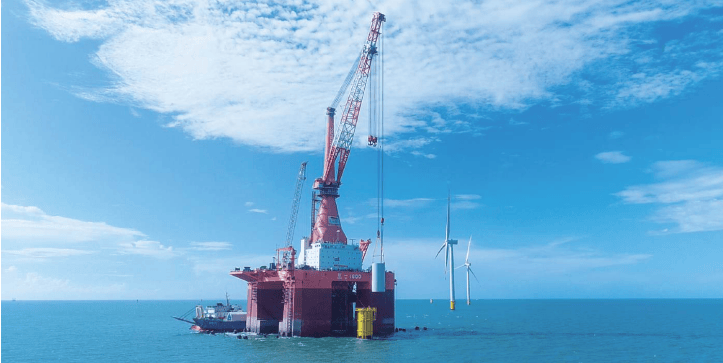
"Shunyi 1600" Deep-submerging Bottom-sitting Multi-functional Wind Power Engineering Vessel
Zhengli Offshore Engineering Co., Ltd.
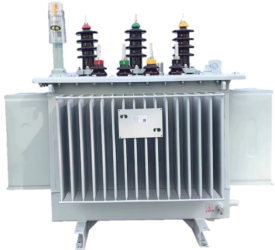
Oil-immersed Amorphous Alloy Core Distribution Transformer
Pinggao Group Smart Electric Co., Ltd.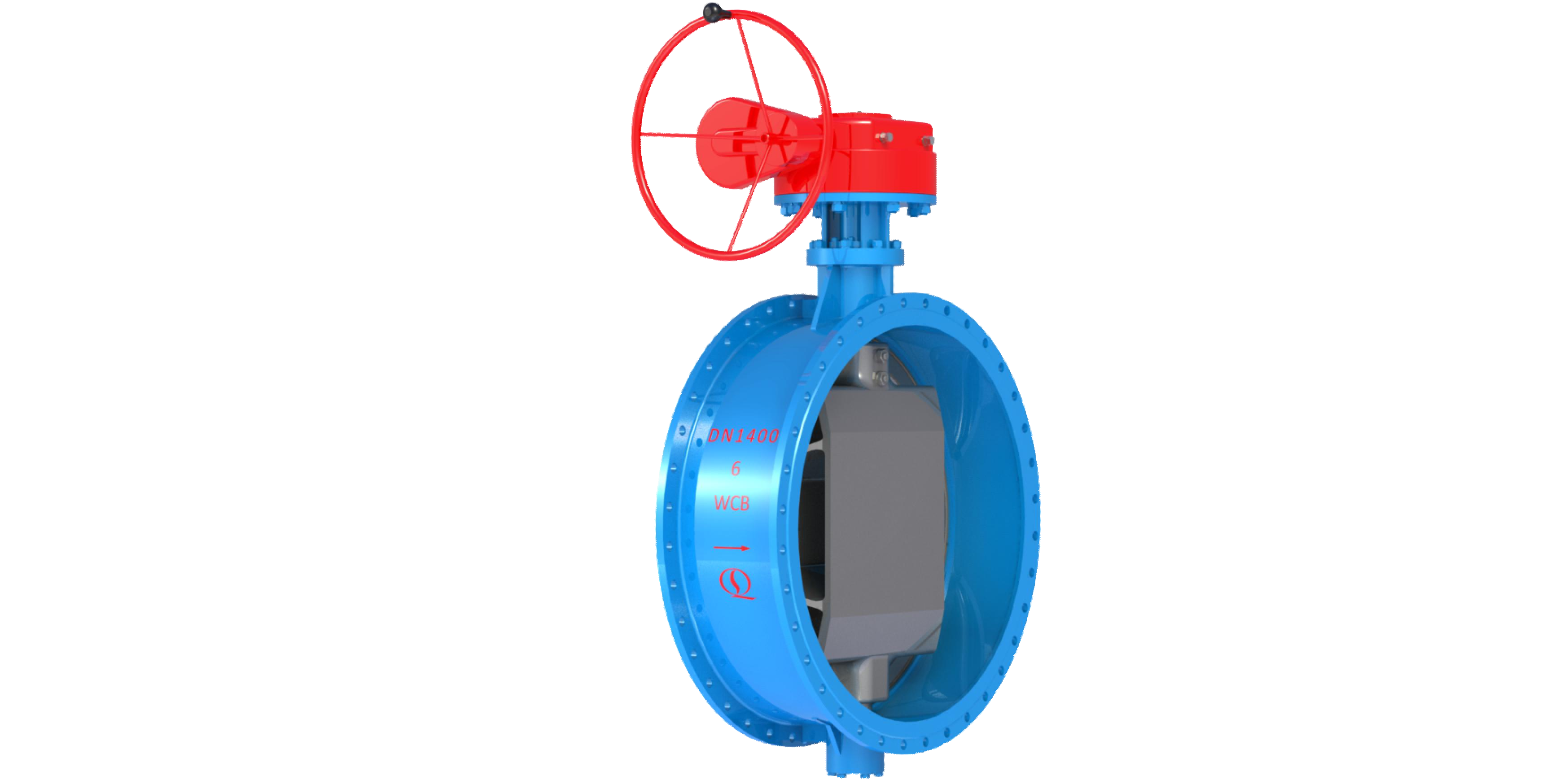
Bidirectional Metal Hard Sealed Seawater Butterfly Valve
Henan Quanshun Flow Control Science & Technology Co., Ltd.