Wedoany.com Report-Sept. 16, Ukraine’s pork market is currently facing significant challenges as retail prices climb to unprecedented levels due to reduced domestic production. According to the Ukrainian pig farmers’ association, the average price of pork in June 2025 reached 253.2 hryvnia per kilogram (US$6.13), marking a 32% increase compared with the same month last year.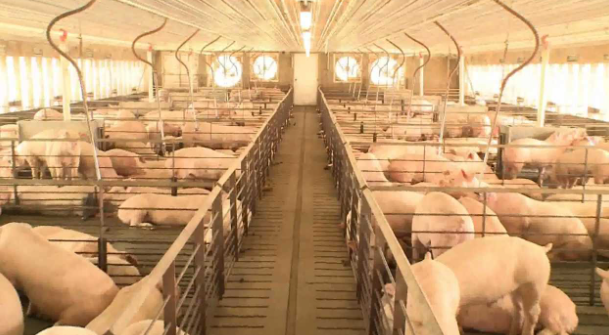
The association emphasized that the key factor driving the surge is a sharp decline in production. Since the beginning of 2025, overall pork supply has fallen by 11% compared with the same period in 2024. Even more notably, the industrial farming segment, which traditionally performs better than small-scale backyard farming, recorded a 15% drop in output.
The decline in backyard pig farming has been a long-standing trend for the past decade, but the downturn in industrial production this year has amplified the difficulties. The association linked these challenges to a combination of economic instability, outbreaks of African Swine Fever (ASF), and disruptions caused by conflict in eastern regions. It noted: “Some manufacturers were forced to cease operations due to a decrease in wholesale prices and a simultaneous increase in production costs, in particular feed.”
ASF remains a factor influencing the pork sector, although recent figures show a slight improvement. Since the start of 2025, 46 ASF outbreaks have been reported, compared with 60 in the same period last year. Furthermore, only 9% of outbreaks this year occurred at pig farms, down from 25% in 2024. By contrast, infections in wild populations rose to 63% of the total, compared with 17% the year before.
Despite fewer farm-related outbreaks, the disease continues to unsettle the market. Alexandra Bondarskaya, head of the association’s analytical department, explained: “The ASF outbreaks have led to a rush among pig farmers to sell their pigs, fearing potential losses. This has resulted in a short-term decline in prices. However, this panic selling only fuels the upward price rally on the market in the long run.”
Industry observers highlight that while ASF has become more concentrated in wild populations, it still causes volatility in the pork supply chain. Farmers’ attempts to minimize risks by quickly offloading livestock contribute to instability, disrupting normal supply and demand balance.
The association underlined that the combination of reduced industrial output, ongoing ASF concerns, and broader economic difficulties places the pork industry in a state of turmoil. Even though the ASF situation shows relative improvement compared with last year, production costs and uncertainty continue to weigh heavily on the sector.
In this environment, consumers are facing record-high prices, while producers struggle to balance costs and sustainability. The challenges illustrate the complex dynamics shaping Ukraine’s pork market in 2025, where animal health, production structures, and economic conditions intersect to create lasting pressure on both farmers and consumers.