Lucid to Launch Self-Driving Mid-Size EV With Nvidia Chips
Wedoany.com Report-Oct. 29, Lucid Group announced on Tuesday that it plans to launch a mid-size Level 4 self-driving electric vehicle equipped with Nvidia’s computer systems, representing a major step toward vehicles capable of operating without human control in most driving conditions.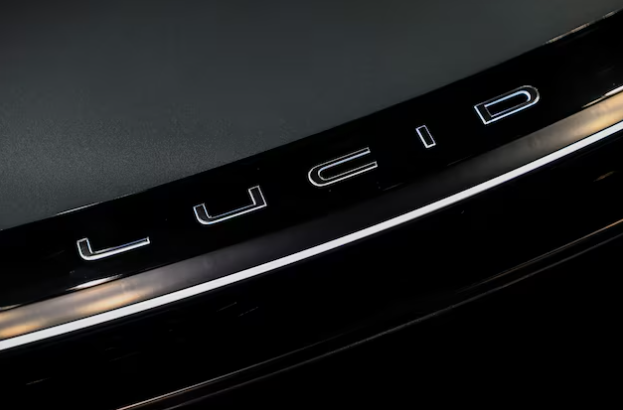
Lucid signage is displayed on a vehicle during the New York International Auto Show Press Preview in New York City, U.S., April 16, 2025.
Automakers worldwide are focusing on developing AI-powered autonomous driving systems designed to enhance safety and reduce the need for driver monitoring. Lucid’s upcoming model will feature advanced automation requiring minimal human input, placing it among the most sophisticated autonomous vehicles currently in development and approaching the fully automated Level 5 standard.
The new vehicle will be positioned below Lucid’s flagship Air sedan in both price and size, aiming to reach a wider market segment. This initiative marks Lucid’s strategic shift from high-end luxury sedans to larger-volume electric vehicle production. The company plans to integrate multiple sensors, including cameras, radar, and lidar, to ensure comprehensive environmental awareness and precise driving performance. In contrast, Tesla’s driver-assistance system primarily relies on camera-based vision technology.
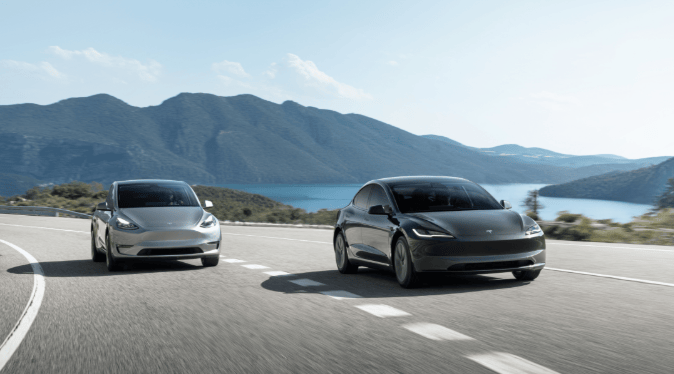
Lucid’s upcoming model is expected to compete with Tesla’s popular Model Y and Rivian’s R2 SUV in the mid-size electric vehicle category. The car will be powered by Nvidia’s DRIVE AGX Thor chips, which will serve as the central computing system for autonomous driving functions. These chips are designed to handle vast amounts of data from multiple sensors in real time, enhancing safety and responsiveness.
Lucid also plans to adopt Nvidia’s software tools within its manufacturing operations to improve production efficiency and maintain high quality standards. The company said this integration of AI and automation will accelerate factory processes and support its long-term goal of expanding manufacturing capacity.
The commercialization of self-driving technology has faced significant challenges, including high development costs, regulatory hurdles, and federal investigations into safety issues. These factors have led several automakers, such as General Motors’ autonomous driving unit Cruise, to suspend or scale back their operations. Despite the industry’s difficulties, Lucid continues to pursue partnerships and innovation to advance its position in the EV and autonomous driving sectors.
Lucid, backed by Saudi Arabia’s Public Investment Fund, has been expanding its technological collaborations to strengthen its market presence. Earlier this year, the company partnered with Uber and autonomous driving startup Nuro to provide premium electric vehicles for ride-hailing services. These alliances reflect Lucid’s broader ambition to integrate advanced electric mobility solutions across commercial and consumer markets.
With the development of its new Level 4 autonomous model and its growing partnership with Nvidia, Lucid aims to position itself at the forefront of intelligent electric vehicle manufacturing. The project underscores the company’s commitment to combining high performance, cutting-edge AI technology, and scalable production to meet rising global demand for advanced electric vehicles.
Related Products
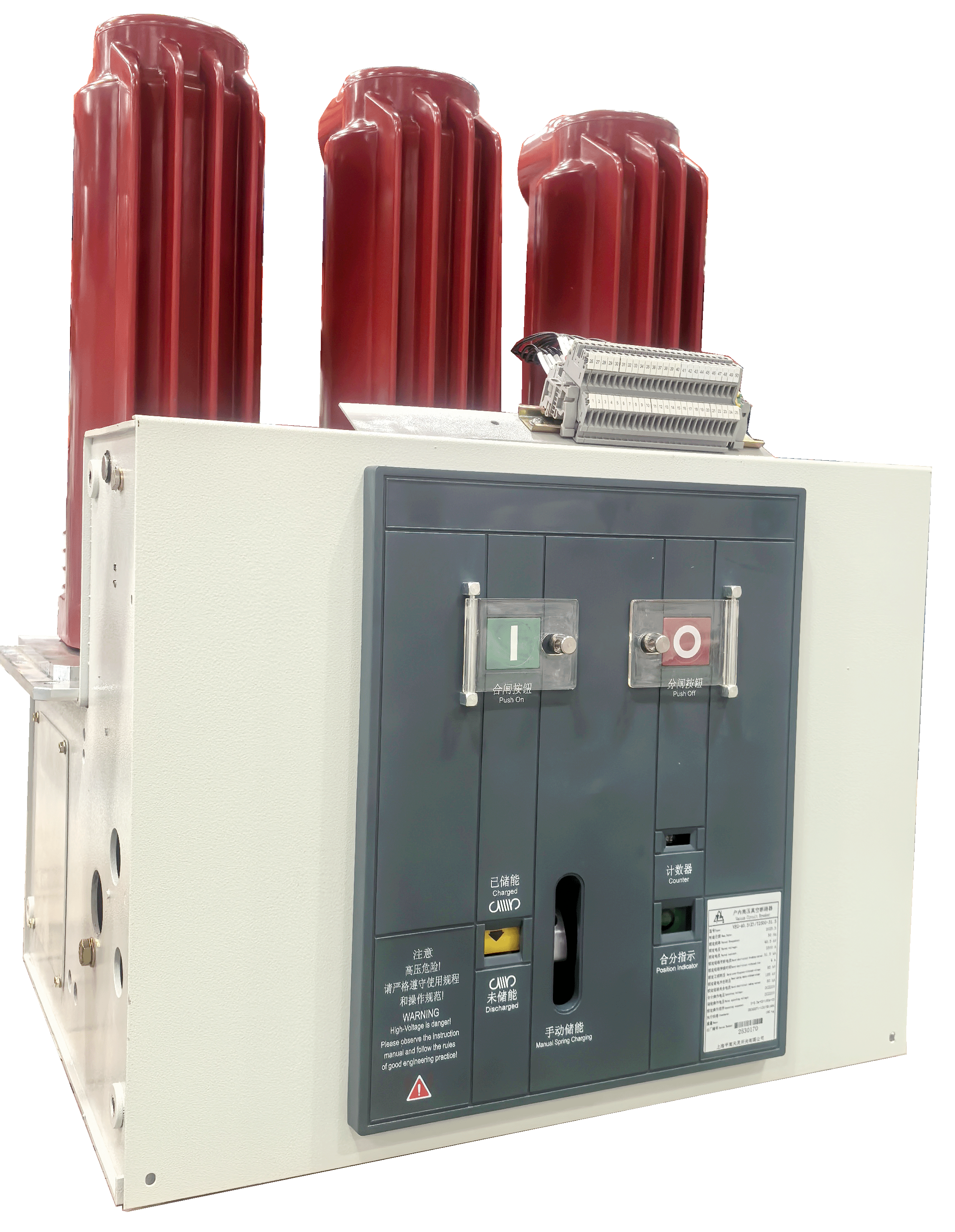

VEG-12/24/40.5 Series Vacuum Circuit Breaker
SHANGHAI PINGGAO TIANLING SWITCHGEAR CO., LTD.
CAP1400 main feedwater flow nozzle flowmeter.
Jiangsu Hongda Instrument Technology Co., LTD.
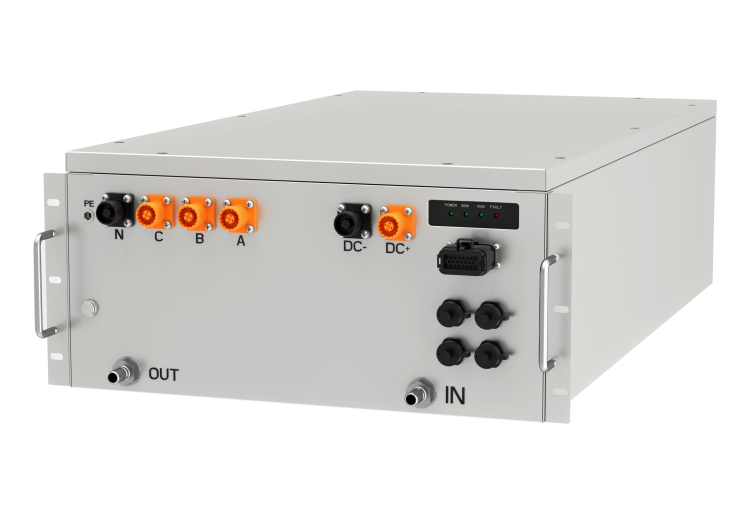
Mars (Liquid Cooling) Series Industrial and Commercial Energy Storage Converter High Protection Module
Shenzhen Winline Technology Co., Ltd.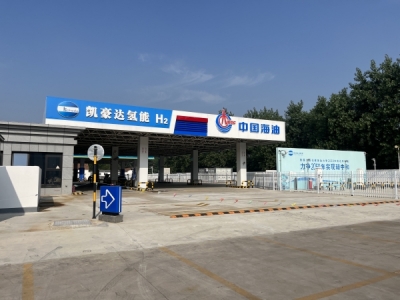
Hydrogen production and hydrogenation charging refueling gas integrated energy station
Shenzhen Kohodo Hydrogen Energy Co., Ltd.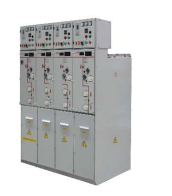
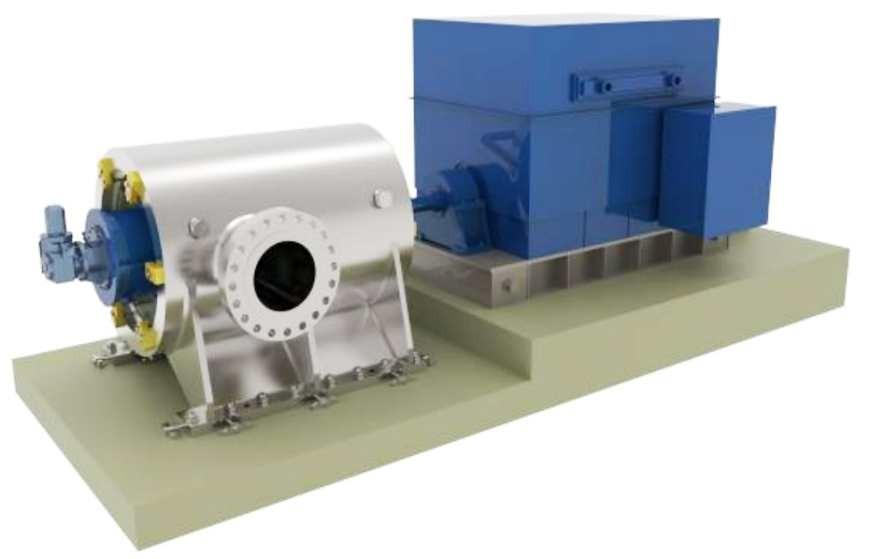
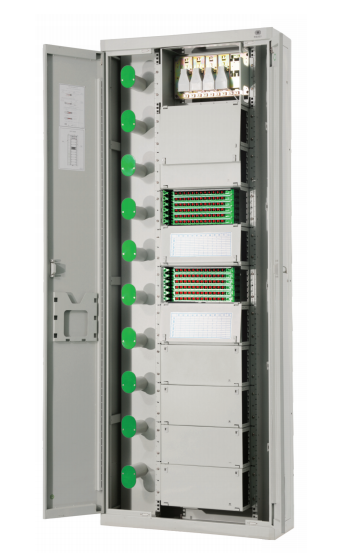
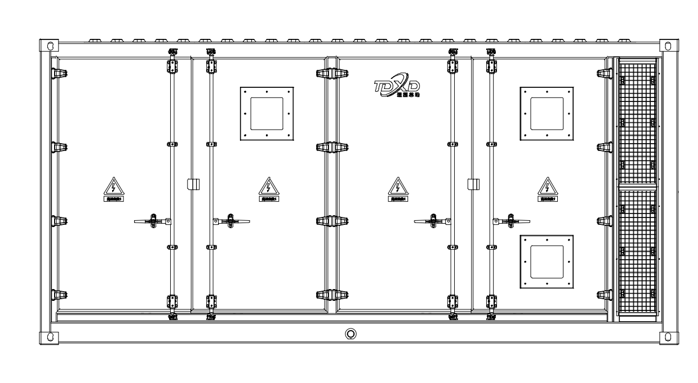
5012kWh DC Energy Storage System TD-EES-5012kWh
Suzhou Tongding Xindong Energy Storage Technology Co., Ltd.