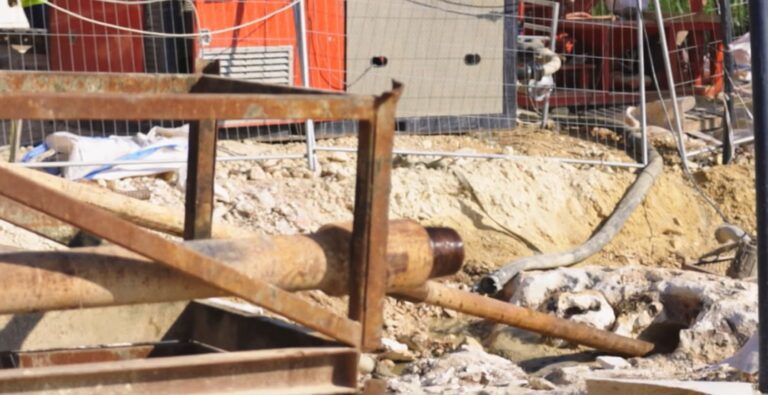
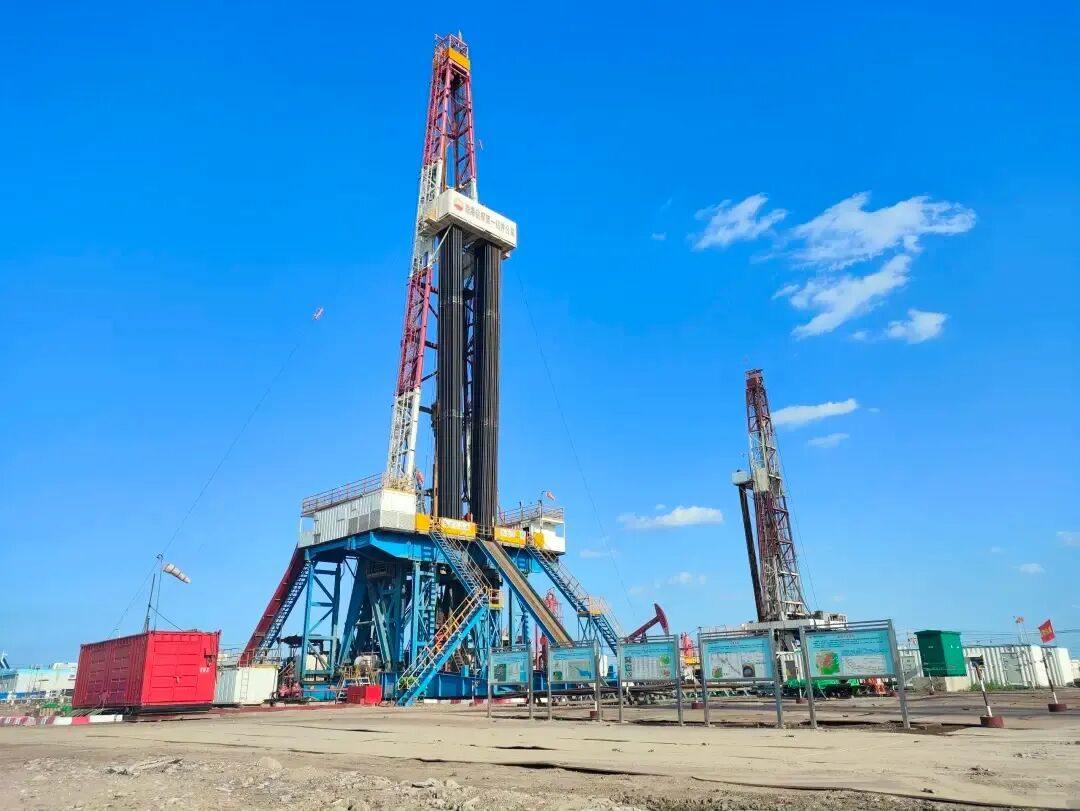
Wedoany.com Report-Nov. 6, Japanese utility Kansai Electric Power Company has started site surveys at the Mihama nuclear power plant in Fukui Prefecture to assess the possibility of constructing a new reactor to replace unit 1, which was permanently shut down in 2015. The company announced on Wednesday: "As preparations for the on-site investigation are complete, we began transporting materials and equipment today and have begun the investigation. Further preliminary investigations, including drilling surveys and surface reconnaissance, are scheduled to be completed by around March 2027."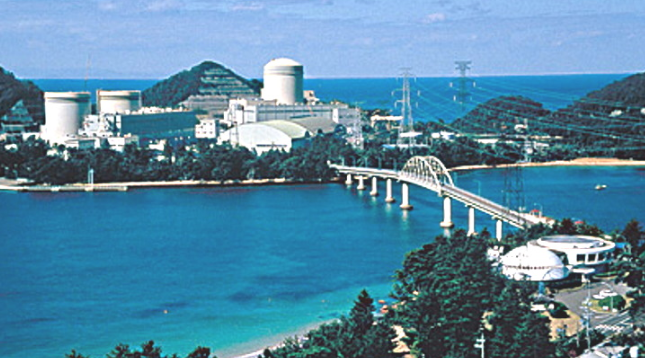
Kansai emphasized that safety will be prioritized throughout the survey process. "We will continue to work hard to ensure the safe and stable operation of our nuclear power plants. We will continue to promote our nuclear power generation business with the understanding of local residents and others," the company added. The detailed survey phase is planned from April 2027 to 2030.
According to Jiji Press, the investigation will evaluate geological and topographical conditions at two areas within and adjacent to the existing plant. This survey follows Kansai’s initial plan announced in November 2010 to conduct a voluntary survey at Mihama for a replacement reactor at unit 1. However, the initiative was paused after the Fukushima Daiichi accident in March 2011.
Reports from Reuters indicate that Kansai is considering using the SRZ-1200 advanced light water reactor under development by Mitsubishi Heavy Industries (MHI). Launched in 2022, the SRZ-1200, with a capacity of 1,200 MWe, is being developed in collaboration with four Japanese utilities and is designed to comply with Japan’s enhanced nuclear safety standards.
At Mihama, units 1 and 2 remain offline, while unit 3 has resumed operations and restarted in June 2021. Kansai’s survey and potential reactor construction would mark the first new reactor at Mihama since unit 1’s shutdown, and would contribute to Japan’s long-term nuclear energy strategy.
The last nuclear reactor constructed in Japan was unit 3 of Hokkaido Electric Power Company’s Tomari plant, which began operation in 2009. Kansai’s renewed investigation reflects broader efforts to modernize and maintain nuclear capacity in the country while adhering to strict safety regulations.
By assessing both geological and topographical conditions and considering advanced reactor technology, Kansai aims to ensure that any future construction at Mihama meets regulatory and safety standards while supporting Japan’s stable energy supply. The ongoing surveys and the projected timeline highlight the careful planning and phased approach required for new nuclear projects in the country.