SRP to Convert Unit 4 of SGS Station in Arizona to Use Gas
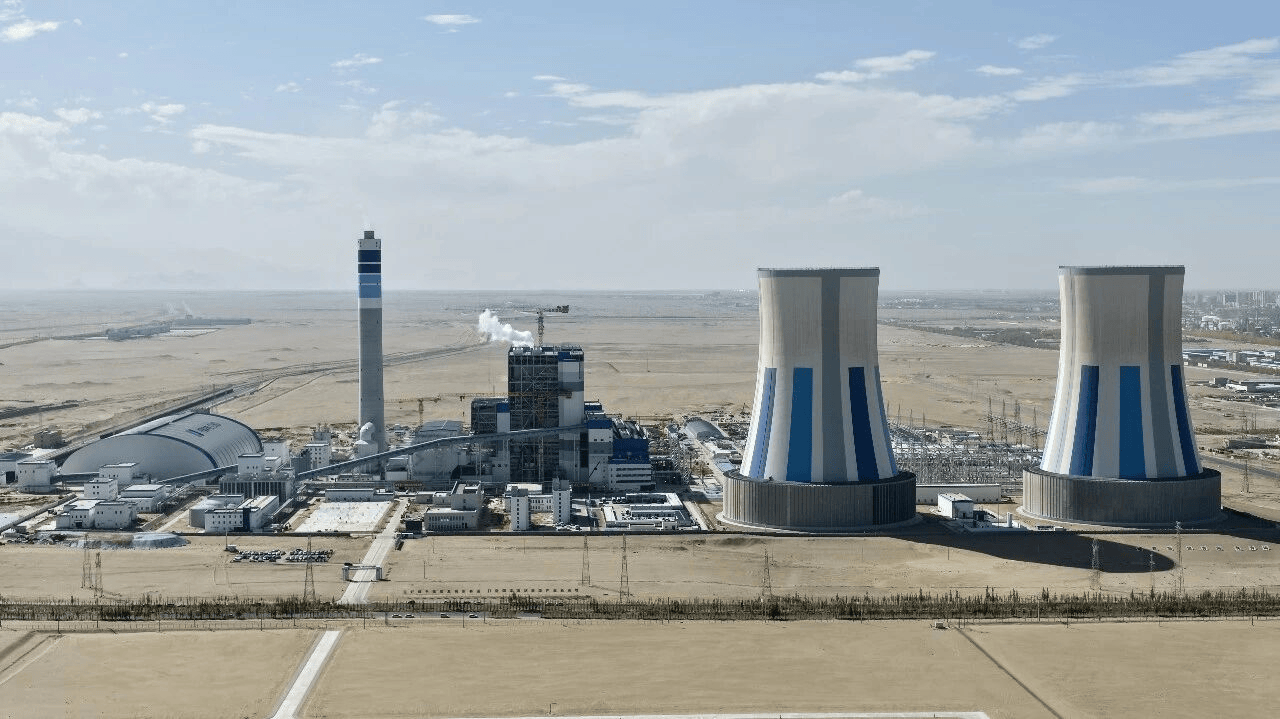
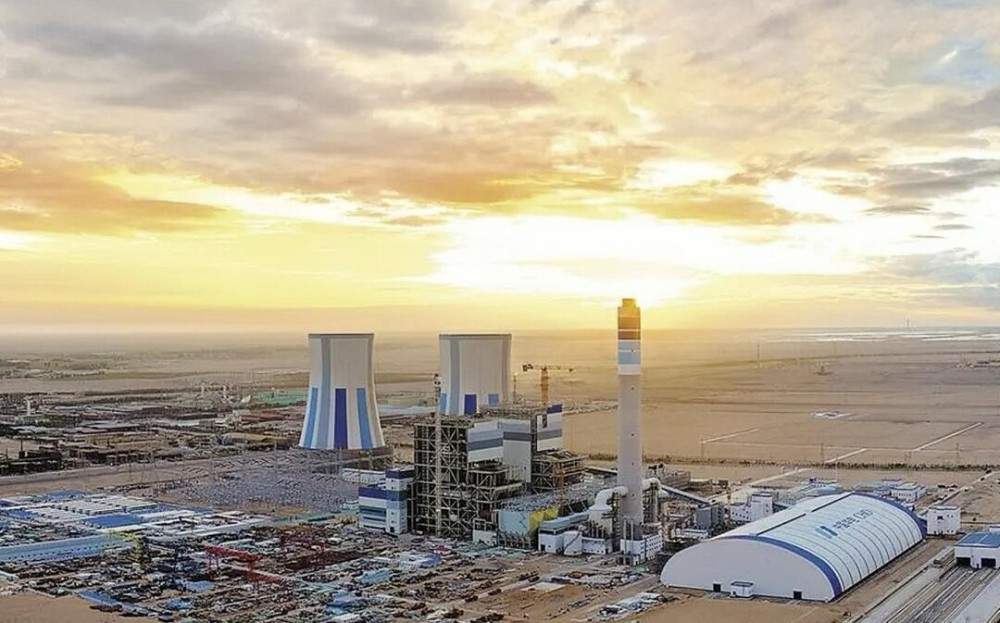
Wedoany.com Report-Nov. 9, Salt River Project (SRP) and Tucson Electric Power (TEP) are advancing plans to shift three of the four units at Arizona’s Springerville Generation Station (SGS) from coal to natural gas in the early 2030s, while Unit 3, owned by Tri-State Generation and Transmission Association, will be retired. This week, SRP’s board approved the conversion of Unit 4. Earlier, TEP announced the conversion of Units 1 and 2.
'Today's decision is the lowest-cost option to preserve the plant's 400-MW generating capacity, enough to serve 90,000 homes, which is important to meeting the Valley's growing power need in the early 2030s'.
“Today's decision is the lowest-cost option to preserve the plant’s 400-megawatt (MW) generating capacity, enough to serve 90,000 homes, which is important to meeting the Valley's growing power need in the early 2030s,” SRP stated. The utility noted that converting Unit 4 to natural gas is expected to save approximately $45 million compared to building a new natural gas facility and about $826 million compared to adding new long-duration lithium-ion batteries over the same period. SRP added that the move provides a bridge to the mid-2040s, when other technologies, including advanced nuclear, may become commercially viable.
Gas for Unit 4 will be supplied via a new pipeline SRP plans to construct, which will also serve the Coronado Generating Station (CGS). SRP announced in June board approval for CGS’s conversion from coal to gas. SRP emphasized that it aims to more than double its power system capacity over the next decade while maintaining reliability, affordability, and sustainability through a balanced approach that combines renewables, natural gas, and storage resources. The utility currently provides 3,000 MW of carbon-free energy, including over 1,500 MW of solar, supported by nearly 1,300 MW of battery and pumped hydro storage.
TEP confirmed that Units 1 and 2 will be converted to gas by 2030. “The conversion will provide comparable capacity to the coal-fired units while costing less than building new resources such as a new combined cycle natural gas facility or solar plus long-term energy storage systems that provide comparable reliability,” TEP said. Originally, TEP planned to retire Units 1 and 2 in 2027 and 2032 due to rising fuel costs, delivery risks, anticipated mine closures, and environmental considerations.
TEP noted that natural gas-fired generators better accommodate intermittent renewable sources such as wind and solar, as coal plants are designed for steady output and cannot easily ramp up or down. The conversion is expected to reduce carbon dioxide emissions from the two units by 40%, supporting TEP’s goal of net-zero direct greenhouse gas emissions by 2050.
Unit 3 is scheduled for permanent closure in 2031 under Tri-State Generation and Transmission Association’s energy transition plan announced in 2023. SGS, located approximately 175 miles northeast of Tucson near the Arizona-New Mexico border, has been operating since 1985 and is one of several coal power plants built in the Four Corners area during the 1970s and 1980s to support the region’s growing energy demand.
The combined conversions and retirement reflect a regional transition strategy to maintain capacity, reduce emissions, integrate renewables, and optimize costs, ensuring continued electricity reliability for Arizona’s population while supporting long-term sustainability goals.
Related Products


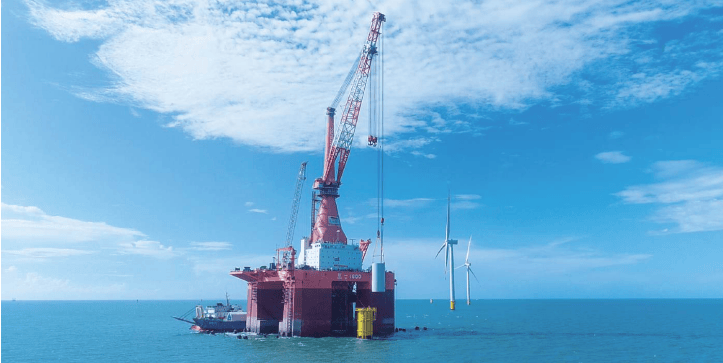
"Shunyi 1600" Deep-submerging Bottom-sitting Multi-functional Wind Power Engineering Vessel
Zhengli Offshore Engineering Co., Ltd.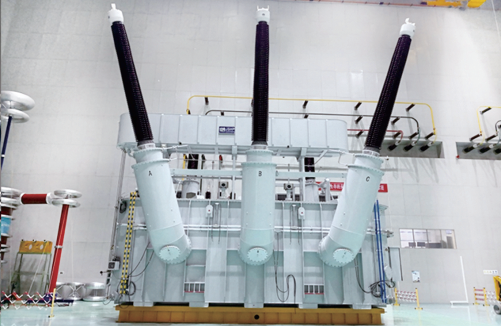
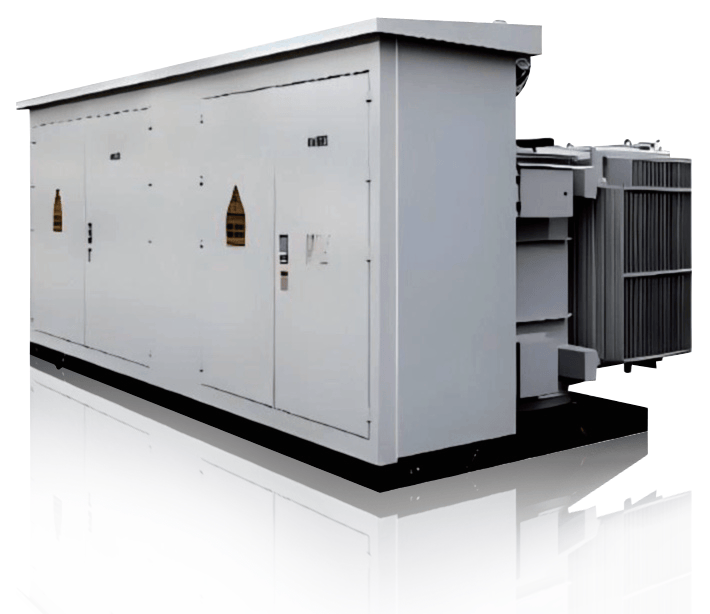
H-40.5/0.4~1.14kV New Energy Power Generation Dedicated High Voltage/Low Voltage Prefabricated Substation
XJ (Xiamen) Intelligent Power Equipment Co., Ltd.
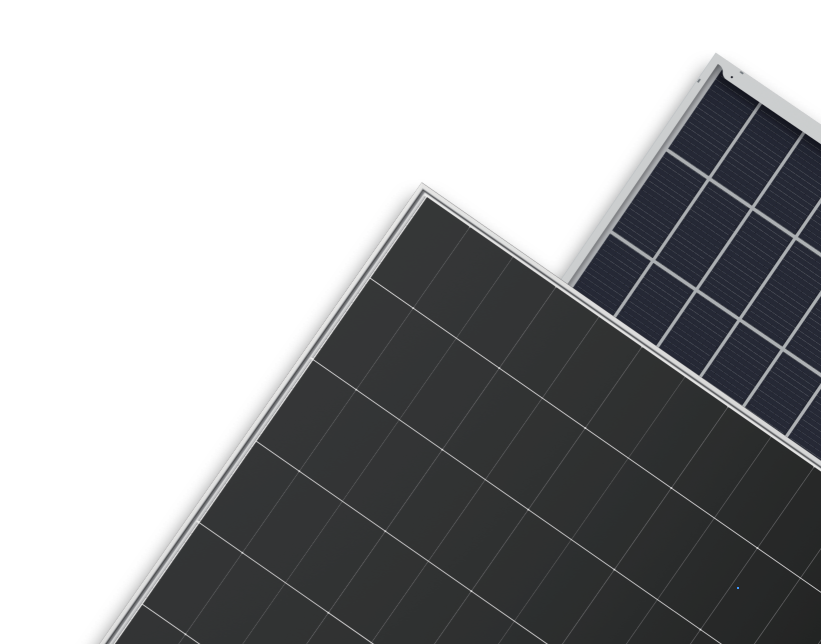
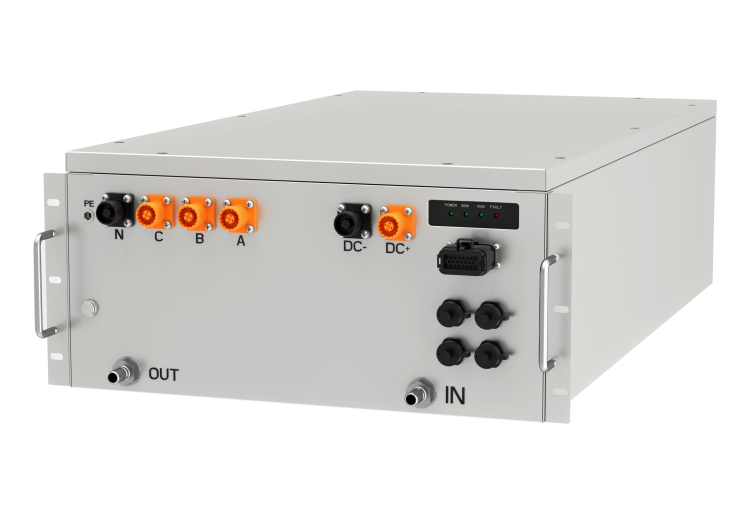
Mars (Liquid Cooling) Series Industrial and Commercial Energy Storage Converter High Protection Module
Shenzhen Winline Technology Co., Ltd.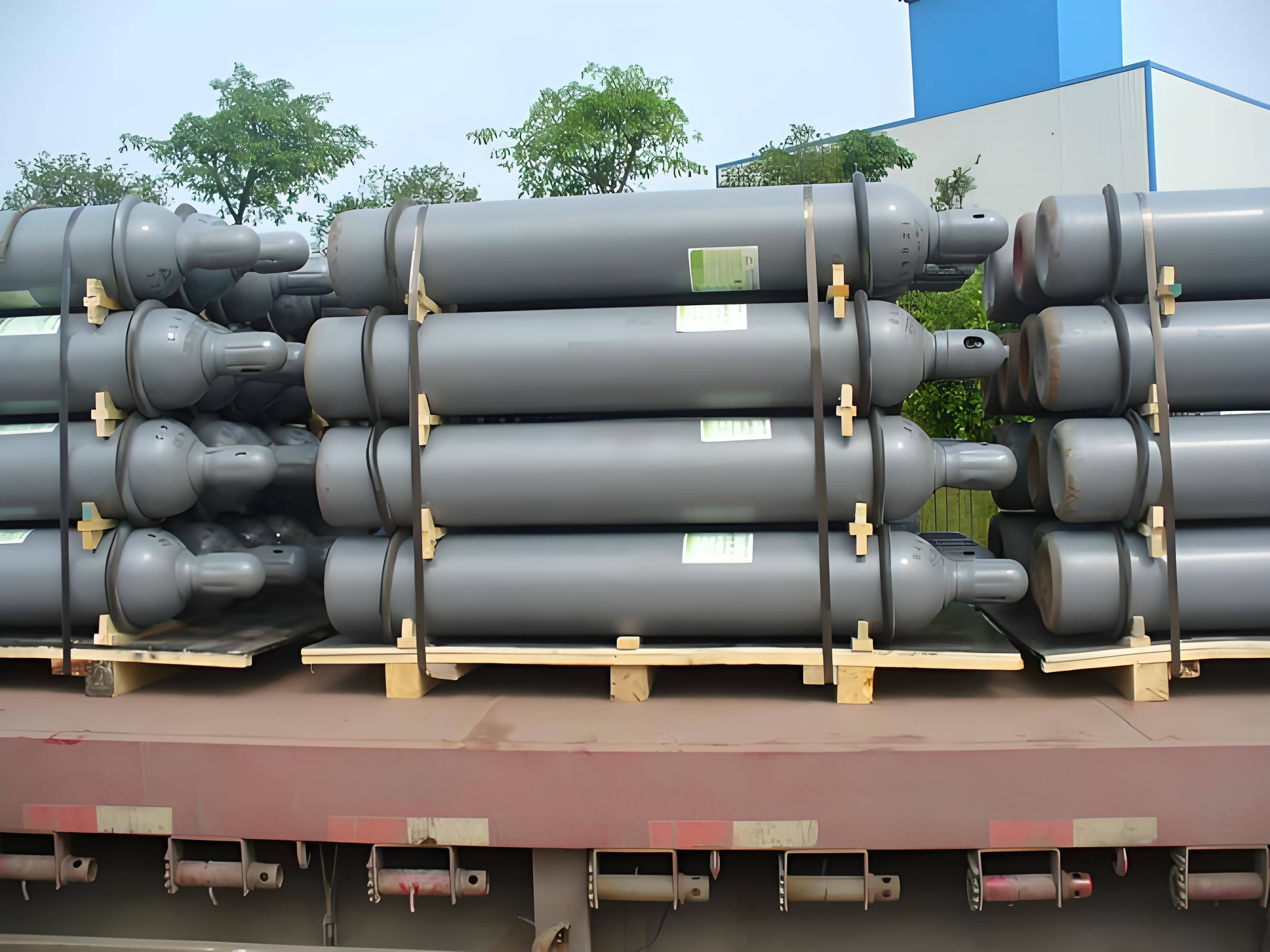
Global Sulfur Hexafluoride Gas Supply and Cylinder Export
Foshan Yuexin Industrial Gas Co., Ltd.
Prefabricated Houses and Electrical Energy Boxes
Chengdu Ruilong Machinery Manufacturing Co., Ltd.