Petrobras Ramps up Production at Major Oilfield
Wedoany.com Report-Nov. 7, Brazil’s state oil company Petrobras is boosting production at the Buzios deep-water field off Rio de Janeiro, strengthening revenues and supporting higher dividends despite crude prices near a five-year low. Production at Buzios reached one million barrels per day last month after the sixth floating production vessel achieved capacity three months ahead of schedule. On Thursday, Petrobras announced $2.3 billion in dividends, slightly above market expectations and higher than the previous quarter.
The Brazilian state oil producer is accelerating production from the world's biggest deep-water field, helping the company raise dividends even as crude prices hover near a five-year low and the global market braces for glut.
The Buzios field, part of Brazil’s pre-salt basin, has been the country’s main growth driver over the past year. It has helped Brazil increase oil output faster than any non-OPEC country except the US and provided Petrobras with a critical revenue source as the company searches for new discoveries. The field’s rapid development comes amid global oil futures falling 15 percent this year due to rising OPEC+ production, which could create an oversupply of up to two million barrels per day next year, according to Mercuria’s CEO.
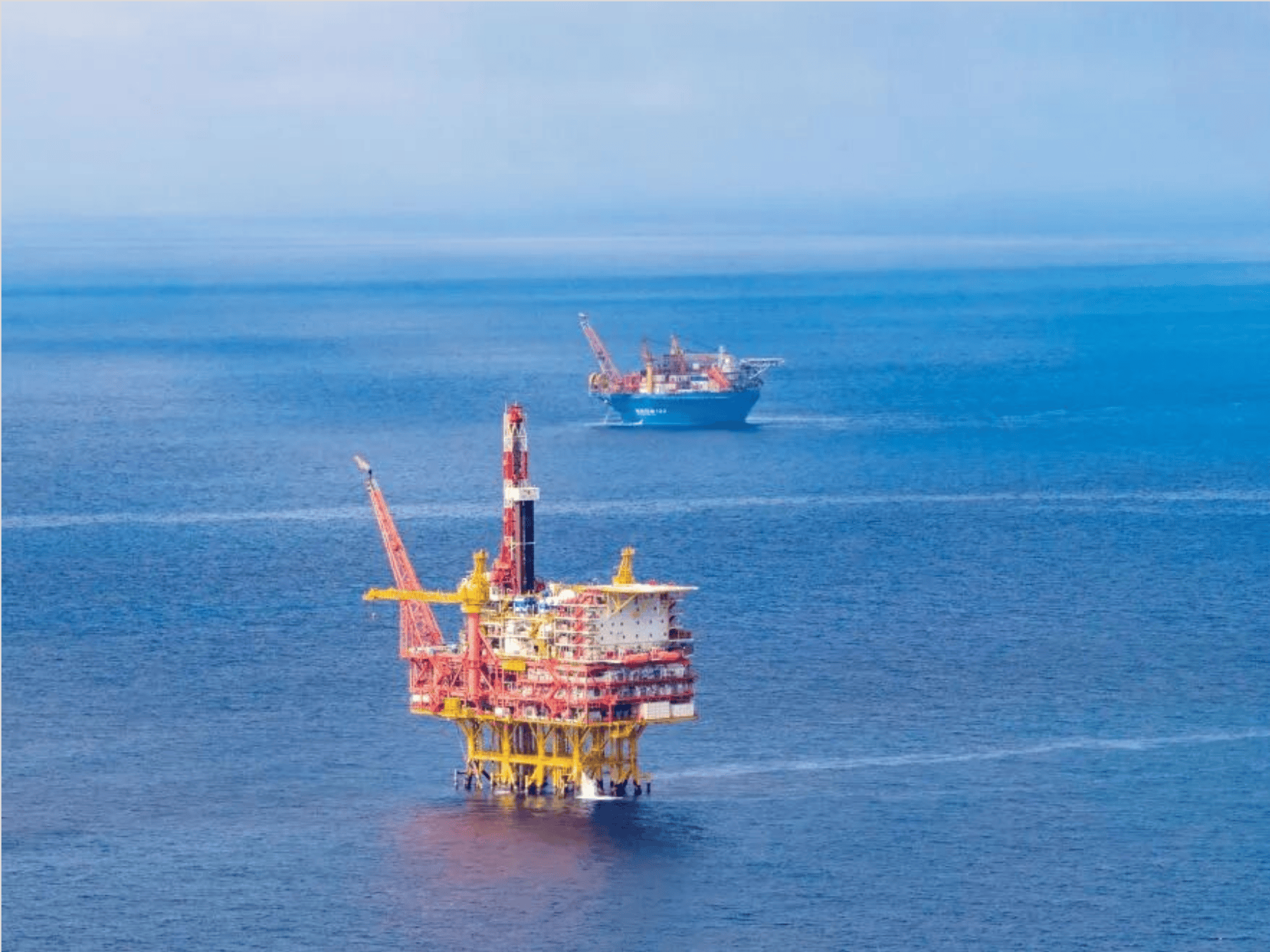
Petrobras’ strong exports contributed to a net income of $6 billion for the quarter despite weak prices. At Buzios, the Almirante Tamandare floating production and storage vessel reached 225,000 barrels per day in August, ahead of schedule, and last week hit 270,000 barrels per day, exceeding projected peak output. Petrobras and its Chinese partners had paid a record 68 billion reais ($13 billion) signing bonus for the field in 2019.
SBM Offshore NV operates the Almirante Tamandare and eight other FPSOs in Brazil. The company is bidding to build the 12th FPSO at Buzios, which could eventually push production close to two million barrels per day, surpassing output from any other country in Latin America. SBM CEO Øivind Tangen said: “The biggest market is here in Brazil. Half of the prospects that we see in the foreseeable future are in Brazil.”
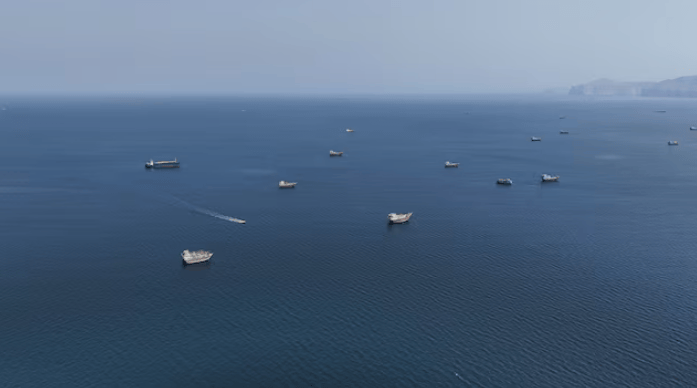
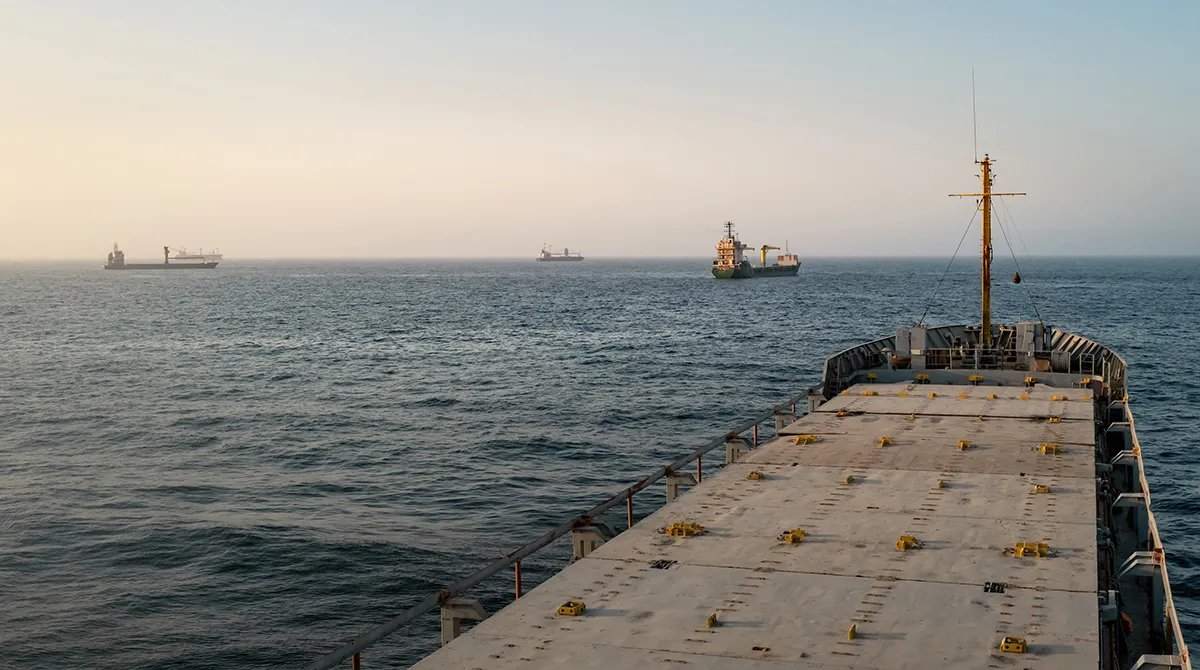
The geology of the pre-salt region allows individual wells to produce up to 70,000 barrels per day. Unlike US shale, which can adjust output to market conditions, pre-salt FPSOs cost around $4 billion each and require years to build, so operators focus on recovering costs regardless of price. The field hosts hundreds of engineers and technicians on six production vessels, supported by floating hotels nearby.
While Buzios continues to expand, Petrobras faces pressure to find new reserves. CEO Magda Chambriard noted: “An oil company has no future without exploration. Replacing our reserves is vital.” Buzios is expected to begin declining near the end of the decade, which could reduce Petrobras’ overall output unless additional discoveries are made.
The field cements Brazil’s role as a leading source of oil growth outside OPEC. With further FPSOs planned and production rising, Buzios remains central to Petrobras’ strategy for revenue, dividends, and sustaining its long-term position in the global oil market.
Related Products


Pneumatic high-pressure wear-resistant ball valve
Zhejiang Deca Control Valve Meter Co., Ltd.
Electromagnetic Fluid Seawater Floating Oil Separation and Recover Equipment
Huate Magnet Group Co., Ltd.


CAP1400 main feedwater flow nozzle flowmeter.
Jiangsu Hongda Instrument Technology Co., LTD.
NISELA Series Environmentally Friendly Gas-Insulated Ring Main Unit
XJ DELISHIER ELECTRIC CO., LTD.
Inductive Power Harvesting Self-Powered Device - Safuneng
SELF ENERGY TECHNOLOGY (SHENZHEN) CO., LTD.