Greece Signs First Long-Term Deal to Supply Europe With US LNG
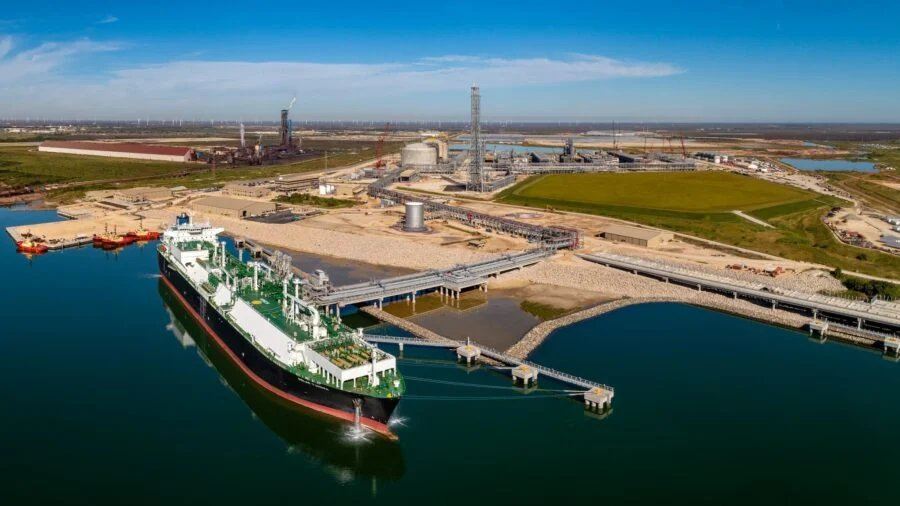
Wedoany.com Report-Nov. 8, Greece announced on Friday that it had signed its first long-term liquefied natural gas (LNG) import agreement with the United States, marking a 20-year deal for 700 million cubic metres of U.S. LNG annually starting in 2030. The agreement aims to strengthen energy cooperation between the two countries and enhance Europe’s energy security by facilitating U.S. LNG exports from Greece to northern European markets, including Ukraine.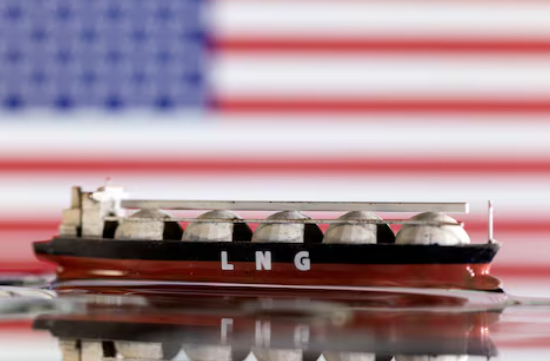
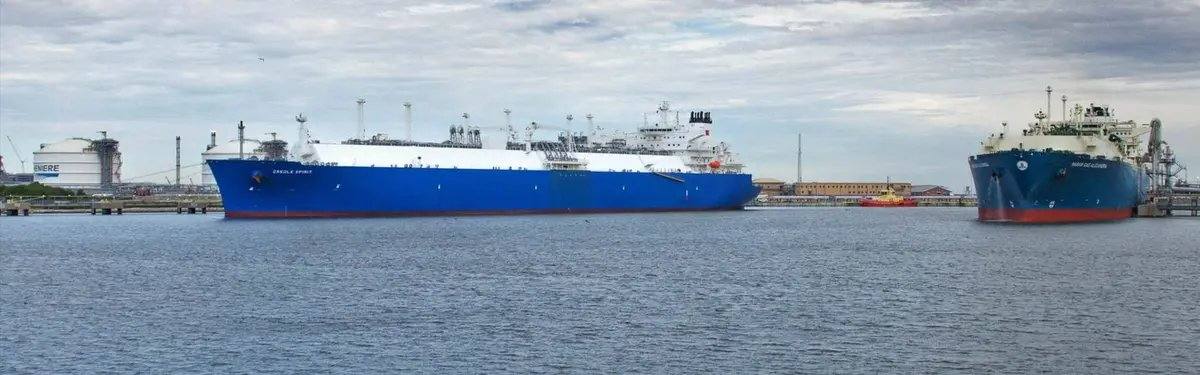
Model of LNG tanker is seen in front of the U.S. flag in this illustration taken May 19, 2022.
The deal follows the European Union’s decision to ban Russian LNG imports beginning in 2027. It also comes shortly after the EU signed a trade agreement with the Trump administration in July, under which the bloc pledged to purchase $250 billion in U.S. oil, LNG, and nuclear technology annually for the next three years.
According to a statement from Greece’s largest gas utility, DEPA, U.S. LNG imports could increase to nearly 2 billion cubic metres per year under the new arrangement. The project will be implemented through a joint venture involving DEPA, Greek energy company Aktor, and U.S.-based Venture Global (VG.N). The collaboration is expected to support Greece’s goal of becoming a key energy hub for southeastern and central Europe.
U.S. officials welcomed the agreement during an energy conference in Athens. U.S. Energy Secretary Chris Wright said: “Greece had been at the end of a pipeline of a Russia-dominated energy supply system. Today, Greece becomes a launch point, the entry into Europe for American energy trade.” Wright also reaffirmed Washington’s commitment to helping European nations diversify their gas supplies in the coming years.
DEPA stated that Ukraine and Romania have expressed interest in purchasing up to 3.7 billion cubic metres of LNG from the Greek joint venture between 2030 and 2050. The potential exports highlight the growing role of Greece in facilitating energy flows from the eastern Mediterranean to Europe.
Greek Prime Minister Kyriakos Mitsotakis emphasized the importance of the country’s energy strategy, noting that Greece has tripled its gas imports since 2020. He said most of the imported gas is re-exported to other European countries via the Transbalkan pipeline, which has been revitalized as part of efforts to expand regional energy connectivity. “Most of the gas that now comes into Greece does not stay in Greece,” Mitsotakis said at the conference, describing the EU’s move away from Russian energy as “a major opportunity to redraw the energy map of Southeastern Europe.”
Ukraine has resumed gas imports through the Transbalkan route to stabilize its energy supply during the winter. To support this effort, the gas grid operators of Greece, Bulgaria, Romania, Moldova, and Ukraine signed a joint letter on Friday, requesting regulatory approval to expand transport capacity from Greece to Ukraine through the Transbalkan pipeline until April 2026.
The U.S.-Greece LNG agreement underscores both countries’ commitment to deepening energy collaboration while reinforcing Europe’s diversified and stable energy supply network.
Related Products



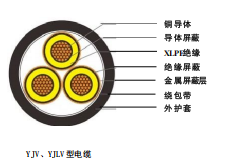
Rated Voltage 6-35kV Cross-linked Polyethylene Insulated Power Cable
TONGDING INTERCONNECTION INFORMATION CO., LTD.
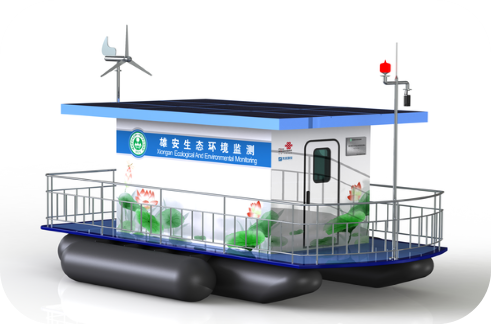
Floating Boat Water Quality Automatic Monitoring System
Hebei Sailhero Environmental Protection High-tech Co., Ltd.
Hydrogen Production Technology: Hydrogen Purification by Pressure Swing Adsorption
Chengdu Yizhi Technology Co., Ltd.