Nvidia Builds Location Verification Tech That Could Help Fight Chip Smuggling
Wedoany.com Report-Dec.11, Nvidia has developed location verification technology capable of identifying the country where its chips are in use, the company confirmed on Wednesday. This optional software feature aims to assist in preventing the unauthorized transfer of artificial intelligence chips to regions subject to export restrictions.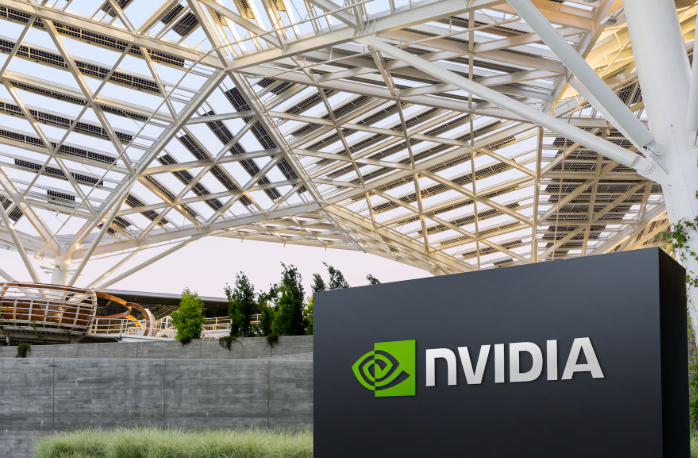
The tool, demonstrated privately in recent months but not yet commercially available, operates as a customer-installable software agent. It utilizes the confidential computing functions integrated into Nvidia's graphics processing units to monitor performance and location. By analyzing communication latency with Nvidia-operated servers, the system provides geographic estimates comparable to those from standard online services, according to a company representative.
In a blog post published the day after initial reports, Nvidia elaborated on the technology's mechanics and announced plans to release it as open-source code, enabling independent security audits. "We're in the process of implementing a new software service that empowers data center operators to monitor the health and inventory of their entire AI GPU fleet," the company stated. "This customer-installed software agent leverages GPU telemetry to monitor fleet health, integrity and inventory."
Nvidia emphasized robust safeguards in the design. On Wednesday, it clarified that no mechanisms exist for remote control or intervention on enrolled devices, and telemetry information transmitted to its servers remains view-only, preventing any data modifications from Nvidia's end. "There is no feature within Nvidia GPUs that allow Nvidia or a remote actor to disable the Nvidia GPU," the company added. "There is no kill switch."
The capability will initially launch with Nvidia's newest Blackwell processors, which incorporate advanced attestation protocols for verifying system integrity, surpassing those in prior Hopper and Ampere models. Nvidia is currently evaluating adaptations for these earlier generations, the official noted.
This development responds to requests from U.S. administration officials and members of Congress across party lines for enhanced tracking of AI hardware to ensure compliance with international trade rules. Such measures follow Department of Justice actions against networks attempting to move over $160 million in Nvidia components to prohibited destinations.
The feature has also prompted discussions with regulatory bodies in various markets regarding potential security implications. Nvidia has consistently maintained that its products do not include unauthorized access points. Independent software analysts affirm that such verification can be implemented without undermining overall chip protection.
Recent announcements, including U.S. President Donald Trump's indication of permitting H200 processor shipments to select markets under specified conditions, underscore ongoing efforts to balance technology access with compliance. Experts note that adoption in those areas may depend on local evaluations.
Nvidia's initiative focuses on voluntary fleet management for data centers and does not impact chip imports, domestic deployment, or end-user consumption patterns. The open-source approach promotes transparency, allowing operators worldwide to assess and customize the tool for their infrastructure needs. Once fully rolled out, it could establish benchmarks for hardware provenance in global supply chains, supporting efficient AI deployment while aligning with established regulatory frameworks.
Related Products

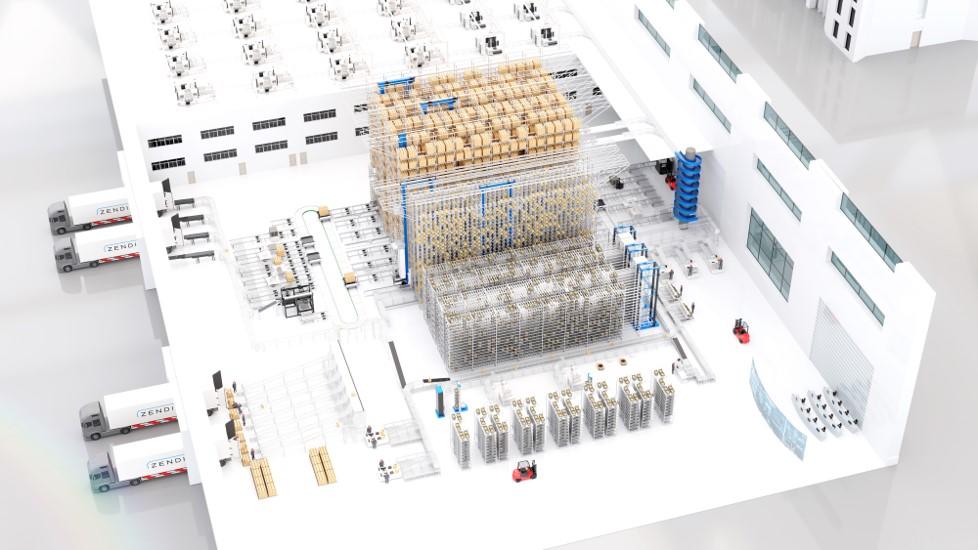
One-Stop Steward Service for the Entire Logistics System Integration Chain
Zhongding Intelligent (Wuxi) Technology Co., Ltd.
TWP16 P-Band Tropospheric Wind Profile Radar
China Huayun Meteorological Technology Group Co., Ltd.
GYTA Type Non-Self-Supporting Aerial/Duct Optical Cable
TONGDING INTERCONNECTION INFORMATION CO., LTD.
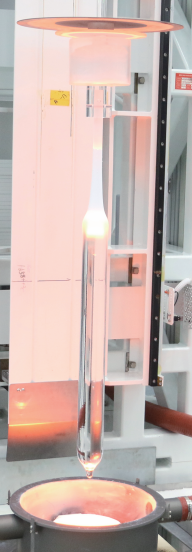
G.652.D Wavelength-extended Non-dispersion Shifted Single-mode Optical Fiber
HONGAN GROUP CO., LTD.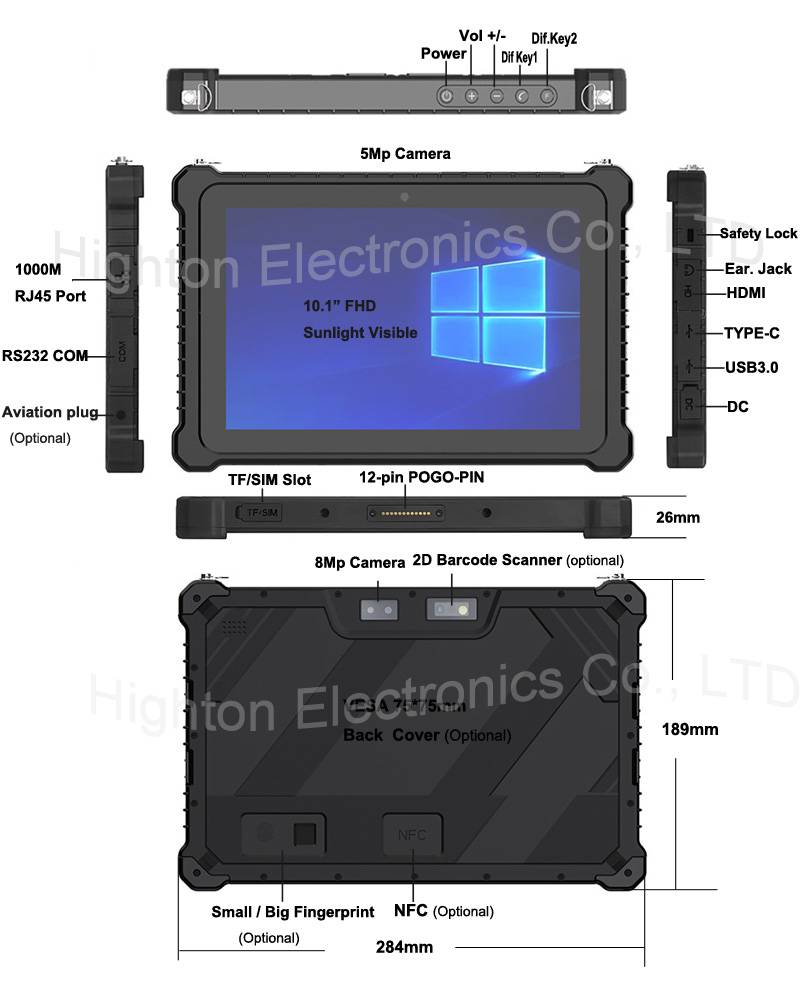
Hot Selling 10 Inch Intel N5100 I5 I7 FHD 8 +128GB 16+256GB Win10 Pro Win11 Pro 4G 5G Rugged Tablet PC Pad with NFC Barcode
Highton Electronics Co., Ltd.
Automatic Aiming Laser Remote Obstacle Removal Robot
Pinggao Group Weihai High-Voltage Apparatus Co., Ltd.