Huawei Launches Icnmaster Mdaf to Achieve L4 Core Network Stability
Wedoany.com Report-Dec.24, Huawei has launched the ICNMaster MDAF intelligent high-stability system to address growing demands for reliable core network performance among global operators.
In today's digital environment, network stability plays a key role in supporting daily life and economic activities. The core network serves as its central component, where any disruption can impact large numbers of users.
As 5G and cloud technologies advance, services become more varied. This evolution brings challenges such as software-hardware separation, coexistence of multiple generations, complex interfaces between systems, signaling surges, transport network issues, and data center problems. These factors increase the need for maintaining high reliability in core networks.
According to GlobalData, 42% of operators experienced core network service interruptions over the past three years, with the frequency rising each year. To help operators systematically improve reliability, TM Forum has introduced a core network high-stability assessment standard, with many operators participating in evaluations.
Huawei's ICNMaster MDAF solution builds an intelligent high-stability system using MoM (Mixture of Models), multi-agent collaboration, and network digital twin technologies. It supports proactive risk prevention, fast fault recovery, and service restoration within minutes, assisting operators in progressing toward L4 high stability and ensuring continuous service experience.
The solution builds on prior features like the Fault Management Agent and Complaint Handling Agent. It introduces key innovations including the MoM architecture, multi-agent collaboration, and synergy between agents and network digital twin.
The MoM architecture moves beyond traditional single-model approaches by combining fast inference models with deep reasoning models such as DeepSeek. An intelligent routing framework assigns tasks dynamically: routine and frequent events receive quick handling from efficient models, while complex issues go to reasoning models for thorough analysis. This delivers both speed for common problems and depth for difficult faults.
Multi-agent collaboration enables coordinated work among multiple agents, including orchestration and conflict resolution. Recovery actions are verified in the network digital twin before application to the live network, creating a complete loop of perception, analysis, decision, and execution for automated problem resolution.
This MoM-based multi-agent approach represents a significant advancement toward fully autonomous networks. It allows operators to deliver resilient, intelligent digital infrastructure that supports future needs.
The solution resolves long-standing challenges between network stability and operational efficiency. It shifts the industry focus from network-centric to user-centric operations. The validated agent plus digital twin collaboration provides a strong foundation for realizing complete network autonomy in the future.
Huawei's ICNMaster MDAF helps ensure stable, high-quality connectivity in an increasingly connected world.
Related Products
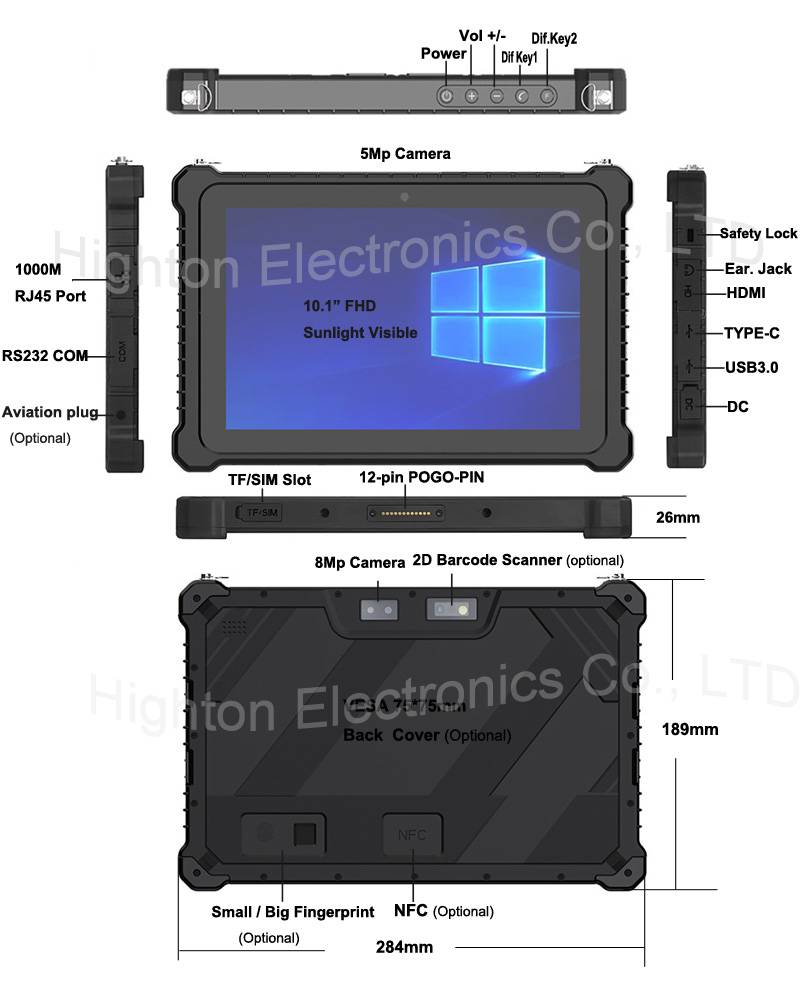

Hot Selling 10 Inch Intel N5100 I5 I7 FHD 8 +128GB 16+256GB Win10 Pro Win11 Pro 4G 5G Rugged Tablet PC Pad with NFC Barcode
Highton Electronics Co., Ltd.

Industrial and Commercial Point-Type Gas Detector
Jinan Benan Technology Development Co., Ltd.


Mine Explosion-proof and Intrinsically Safe Industrial Ethernet Ring Network (10 Gigabit/Gigabit)
Chongqing Mas Sci&Tech Co., Ltd.

TWP16 P-Band Tropospheric Wind Profile Radar
China Huayun Meteorological Technology Group Co., Ltd.
Comprehensive Mining Automation Control System
Beijing Tianma Intelligent Control Technology Co., Ltd.