The Netherlands and Germany Join Forces to Advance Cross-Border Hydrogen Pipeline Network Construction
Recently, the Dutch gas network operator Gasunie and its German counterpart Thyssengas formally signed a cooperation agreement to jointly develop a cross-border hydrogen pipeline network between the two countries.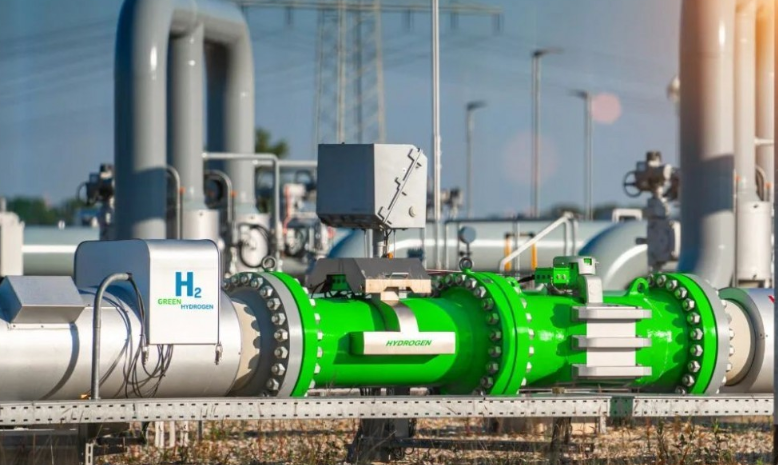
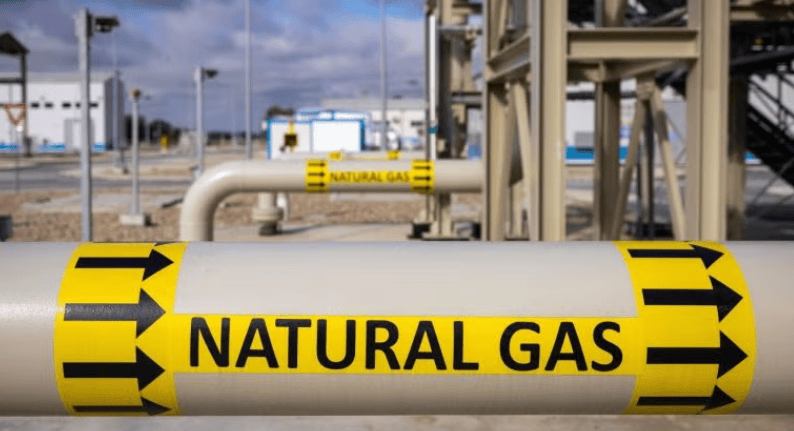
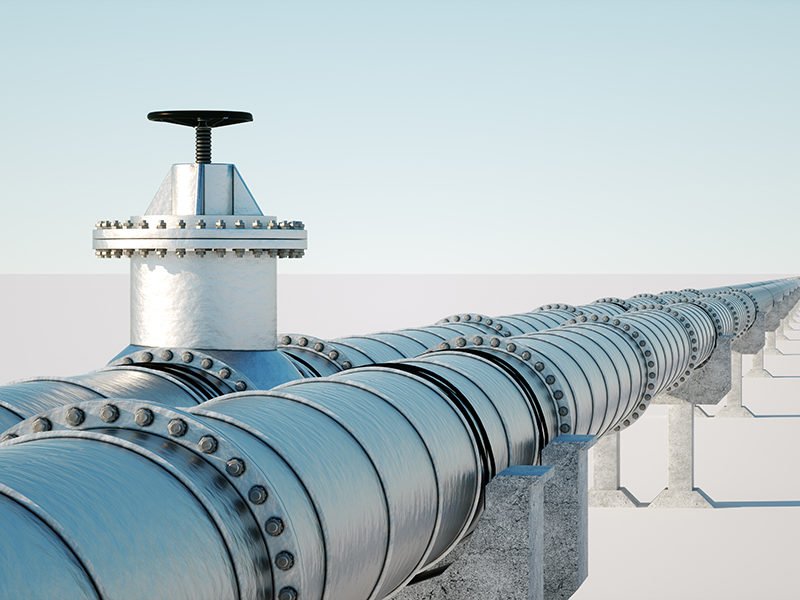
According to the agreement, the two parties will build the cross-border hydrogen transmission network by repurposing existing natural gas pipelines. This approach not only significantly reduces construction costs but also shortens the project timeline considerably. The hydrogen pipeline network will be connected at key nodes such as Oude Statenzijl in Groningen and Vlieghuis in Drenthe, linking industrial zones and major ports in the Netherlands with important consumption centers like Germany's Ruhr industrial region. In the future, the network is also expected to extend further to Denmark, achieving broader regional coverage.
The hydrogen pipeline cooperation holds significant strategic importance. As an industrial powerhouse, Germany has an urgent need for deep decarbonization in its heavy industries such as steel and chemicals, making it a major future importer of hydrogen. The Netherlands, leveraging its superior port conditions and infrastructure, has the potential to become a key European hub for hydrogen imports and production. This collaboration efficiently connects supply and demand by integrating existing infrastructure, accelerating the regional energy transition process. Germany's National Hydrogen Strategy explicitly calls for building a stable and reliable hydrogen supply system, and this cooperation aligns closely with that strategic goal.
This cooperation is not merely about infrastructure interconnection; it represents another crucial milestone in Europe's efforts to build a unified hydrogen market. By activating existing assets and unifying standards and planning, this project will provide stable and reliable green energy supply for Europe's industrial decarbonization. As the cross-border hydrogen pipeline network gradually improves, Europe's regional energy landscape and industrial map, linked by hydrogen, will undergo significant reshaping.
Related Products

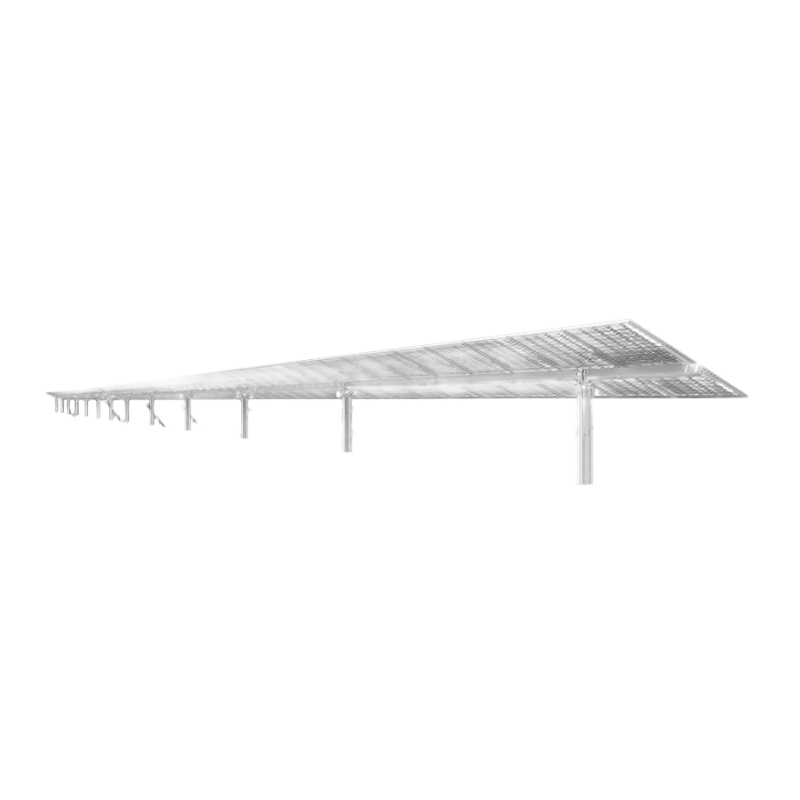
TAI Slew-drive Single-axis Independent 1P Tracking Bracket System
ANTAI TECHNOLOGY CO., LTD.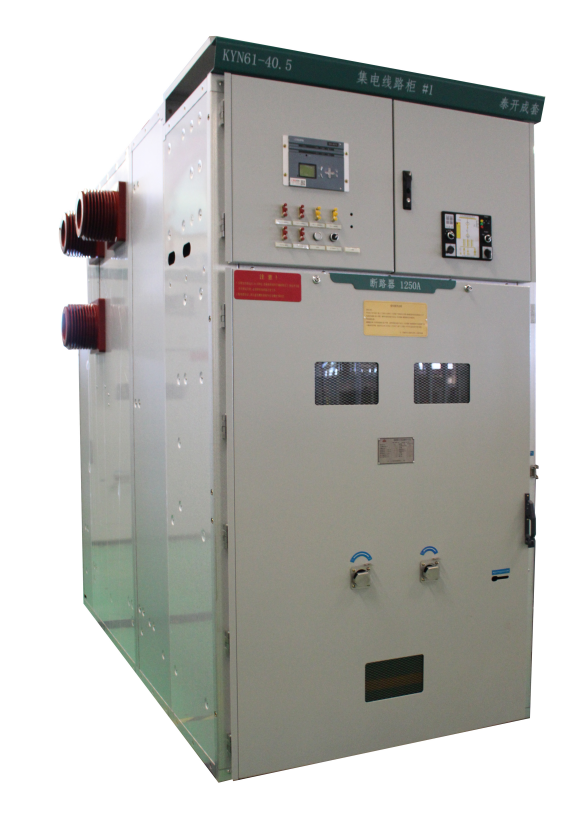

Microcomputer Protection and Substation Automation
Beijing Agent Devote Power Technology Development Co., Ltd.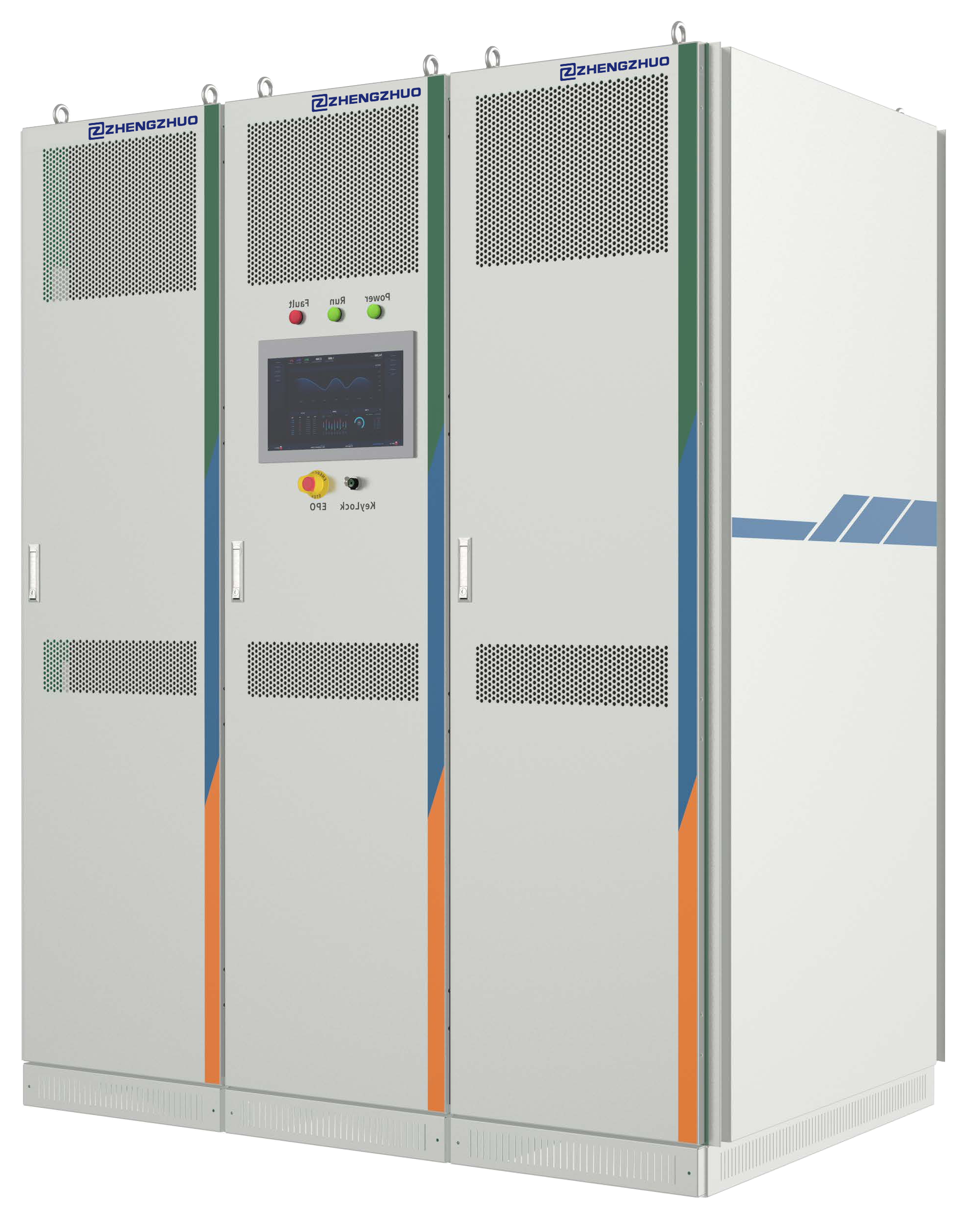
IGBT Hydrogen Production Power Supply - High Power Air Cooling
Beijing Zhengzhuo Engineering Technology Co., Ltd.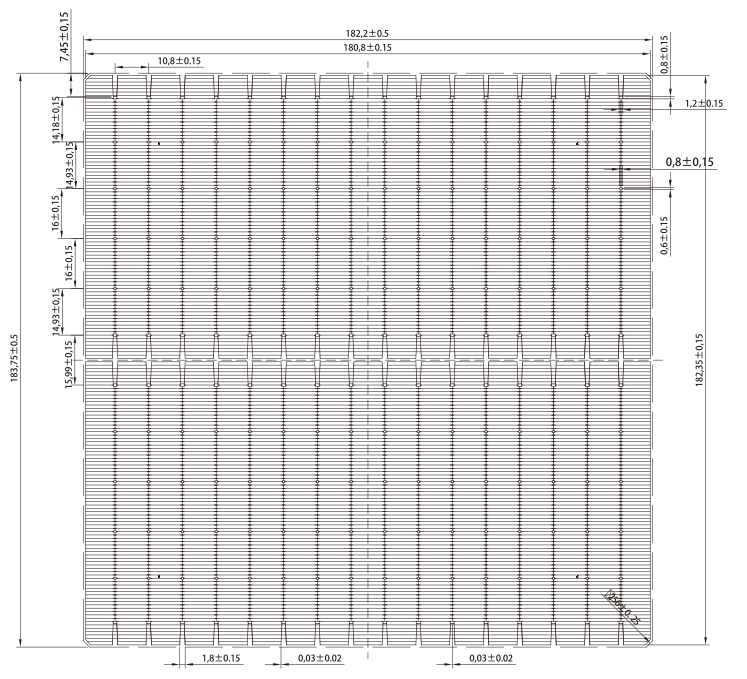
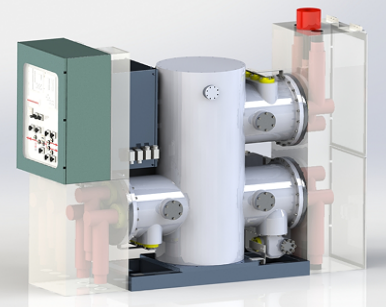
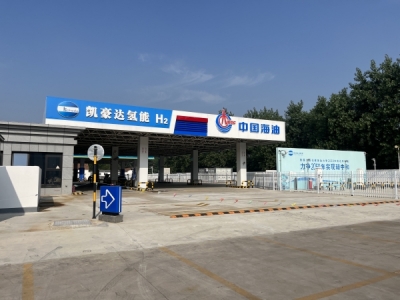
Hydrogen production and hydrogenation charging refueling gas integrated energy station
Shenzhen Kohodo Hydrogen Energy Co., Ltd.