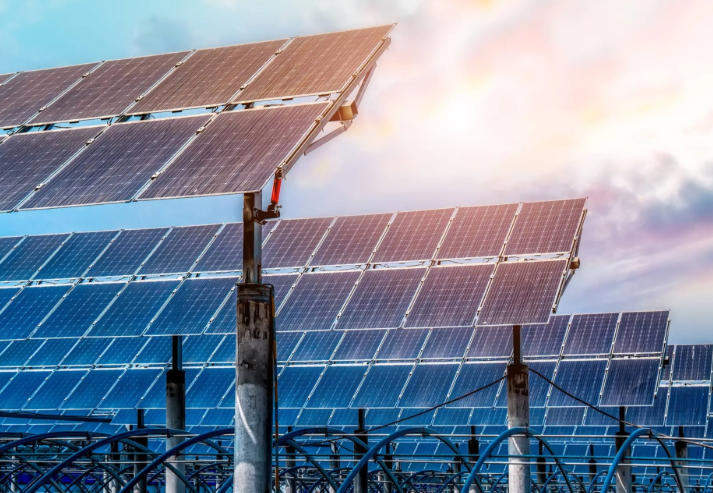
Tarim Oilfield's Photovoltaic Power Generation in China Exceeds 2 Billion KWh
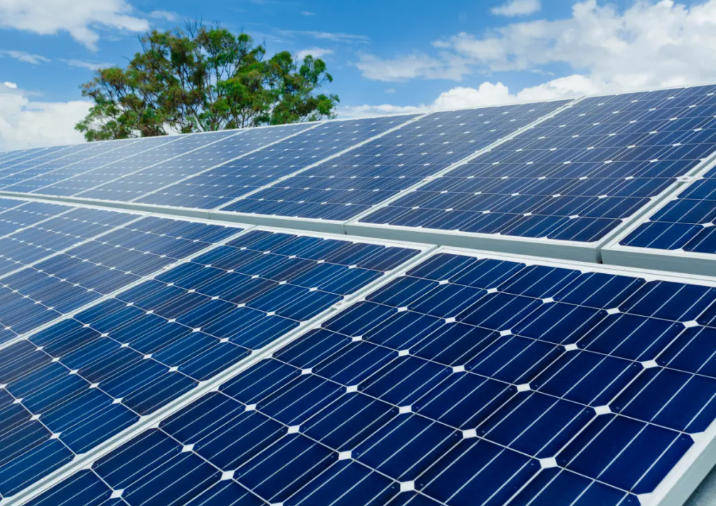
Wedoany.com Report-Dec.29, On December 28, China National Petroleum Corporation announced that the annual photovoltaic power generation of the Tarim Oilfield, the main gas source for the West-East Gas Pipeline, has exceeded 2 billion kWh, with the single-day peak generation surpassing 10 million kWh, both setting new historical records.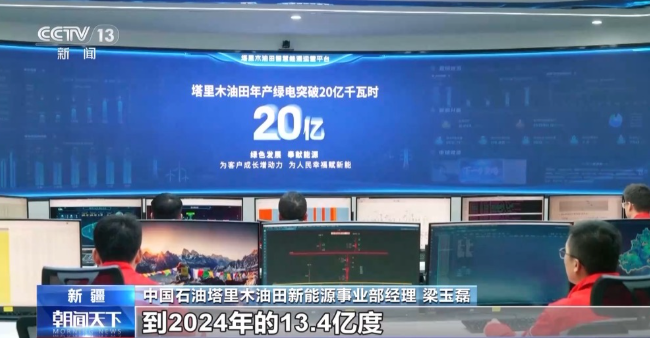
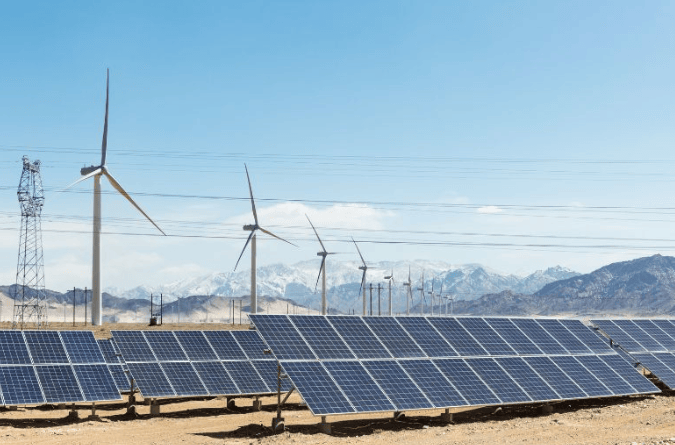
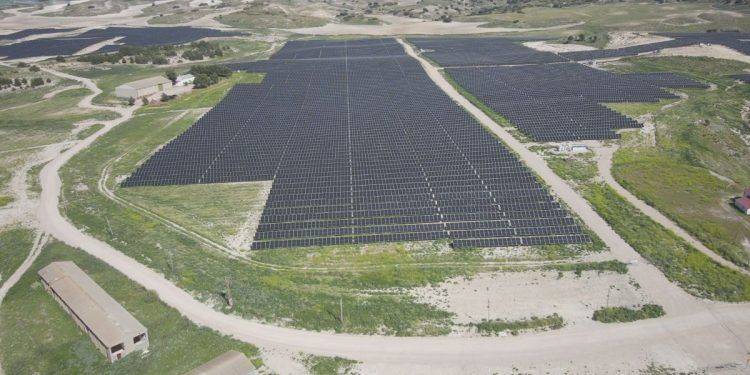
Currently, the Tarim Oilfield has built five large-scale photovoltaic power stations in locations such as Yuli, Qiemo, Yecheng, Jiashi, and Shangku, with a total installed capacity reaching 2.6 million kilowatts. The 100,000-kilowatt photovoltaic project in Luntai, located on the northern edge of the Taklamakan Desert, has also commenced full-scale construction. Once completed, it is expected to provide approximately 158 million kWh of clean electricity annually.
Liang Yulei, Manager of the New Energy Business Department of PetroChina Tarim Oilfield, stated: "Our photovoltaic power generation has achieved 'three leaps in three years'—from 260 million kWh in 2023 to 1.34 billion kWh in 2024, and exceeding 2 billion kWh this year. This represents a leapfrog development from scratch and from small to large scale."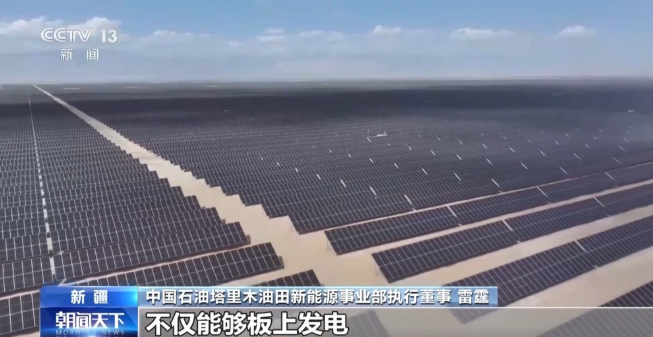
In addition to centralized power stations, the oilfield has also completed 239 distributed photovoltaic projects at individual oil and gas wells and stations deep within the desert. The constructed photovoltaic facilities cover approximately 100,000 mu (about 6,667 hectares) of sandy land, serving not only to generate electricity but also to help block wind, stabilize sand, and improve the local microclimate. Lei Ting, Executive Director of the New Energy Business Department of PetroChina Tarim Oilfield, explained: "By installing photovoltaic panels on shifting sand, we not only achieve power generation on the panels but also reduce wind speed and create shade. Furthermore, we lay drip irrigation belts underneath the panels for biological sand control, achieving multiple benefits." He stated that by next year, the total installed photovoltaic capacity of the oilfield is expected to exceed 4 million kilowatts.
Approximately 8% of this clean electricity from the desert is used for the oilfield's own oil and gas production, while the remaining 92% is transmitted to eastern regions via the "Xinjiang Power Outbound Transmission" channels. This initiative has not only reduced the energy consumption and carbon emission intensity of oilfield production by over 10% but also supplemented external power supply.
Related Products

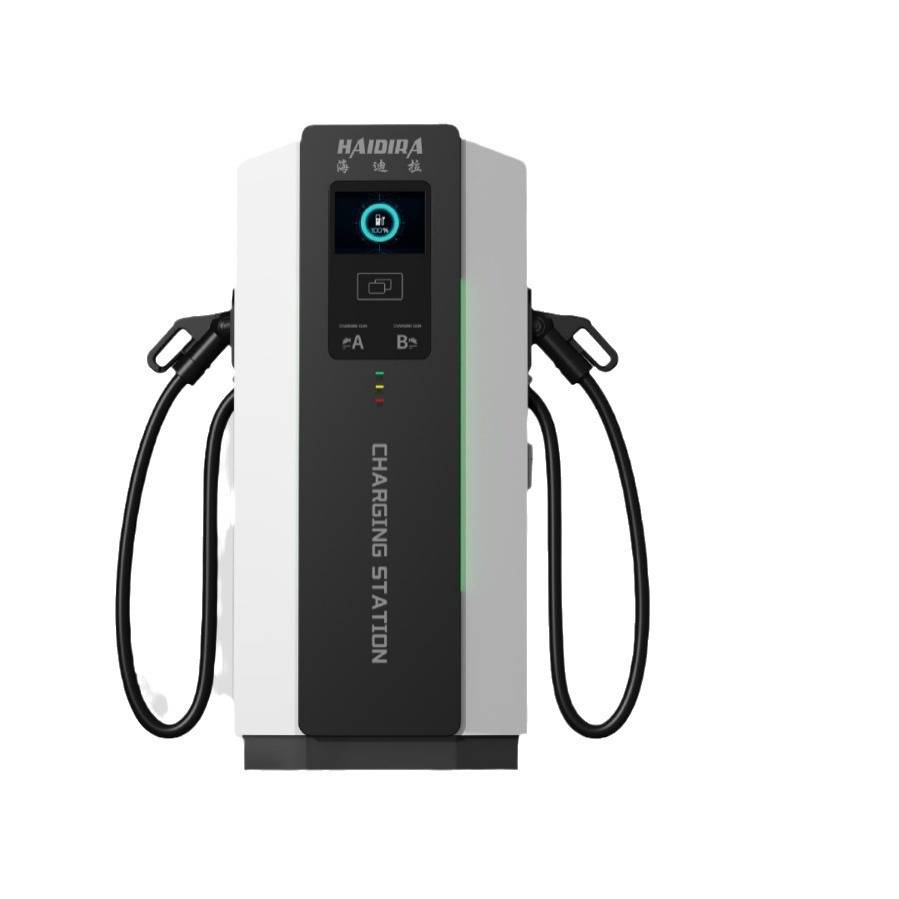
Manufacturer Direct Sales Tesla New Energy Electric Vehicle Universal DC 180kW Dual-gun Charging Pile Commercial Fast Charger
Anhui Haidira Electric Technology Co., Ltd.
Microcomputer Protection and Substation Automation
Beijing Agent Devote Power Technology Development Co., Ltd.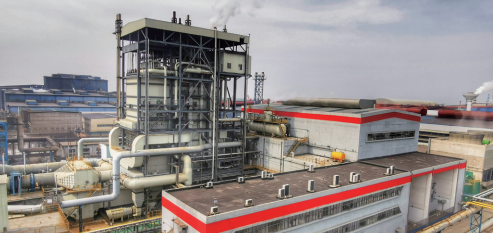
Jiujiang Pinggang 125MW Subcritical Gas Power Generation Project
Capital Engineering & Research Incorporation Limited

CAP1400 main feedwater flow nozzle flowmeter.
Jiangsu Hongda Instrument Technology Co., LTD.
Environmentally Friendly Flame-retardant PVC Double-layer Insulated Wire
Sichuan Chndo Cable Co., Ltd.