Severe Solar Storm Threatens Power Grid Amid Hurricane Helene, Milton Recovery
Wedoany.com Report-Oct 14, The National Oceanic and Atmospheric Administration (NOAA) has upgraded its G4-level “severe” geomagnetic storm watch to a G3-level “strong” geomagnetic storm warning after an anticipated coronal mass ejection (CME) arrived at Earth at 11:15 a.m. EST on Thursday, traveling at nearly 1.5 million miles per hour.
The G3-level warning is now in effect alongside the earlier G4 watch, which NOAA issued on Oct. 9 as a proactive measure, in part to prompt the North American power grid to prepare for the expected CME arrival between Thursday morning and midday. The solar storm’s disruptions to communications, navigation systems, and power infrastructure could cause new hurdles for regions already weakened by Hurricanes Helene and Milton, the agency warned.
NOAA measures the magnitude of geomagnetic storms using the K-index and, by extension, the Planetary K-index (Kp scale). Like hurricanes, tornadoes, and earthquakes, the scale conveys the severity of a geomagnetic storm event, with G5 being the most extreme and G1 being minor.
According to NOAA, the solar storm was triggered by a fast CME that erupted from the sun on Tuesday evening (Oct. 8). By Wednesday afternoon (Oct. 9), NOAA estimated the CME’s speed to be between 1,200 and 1,300 km/s. “There is potential to reach G4 (Severe) upon arrival of this CME and throughout its passage,” the agency predicted, adding, “We won’t know the characteristics of the CME until it reaches 1 million miles from Earth and its speed and magnetic intensity are measured by the DSCOVR and ACE satellites.”
As the CME arrived on Thursday morning (Oct. 10), NOAA continued to analyze its strength and structure to assess potential geomagnetic storm intensity. Initially, the agency expected G3 levels due to the CME’s magnitude and potential. “Therefore, a G3 or greater warning has been issued. G4 (Severe) levels remain likely with the watch still in effect, and there is even a slight chance of G5 (Extreme) levels based on initial observations of the CME’s strength. Updates will continue as conditions develop, with Alerts issued accordingly,” NOAA stated.
By 11:57 a.m. EST, NOAA confirmed observing G4 (Severe) geomagnetic storming levels. G4 levels could lead to “possible increased and more frequent voltage control problems—[which are] normally mitigable,” according to the agency. G4 conditions also raise the likelihood of satellite operation anomalies and longer periods of GPS degradation, it said. In an update at 6:37 p.m. EST, the agency reported that G4 (Severe) geomagnetic storm levels continued to be observed as the CME passage intensified. “Things are favorable for G4 (Severe) levels to potentially continue into the night hours, with a chance for G5 (Extreme) levels,” the agency noted.
So far, in response to a warning from the North American Electric Reliability Corporation (NERC), PJM has followed protocols and issued a warning that a possible geomagnetic disturbance (GMD) could affect its system until 2 a.m. on Oct. 11. However, as of Oct. 11, PJM extended the GMD Warning to 2 p.m. Friday, following an overnight increase in solar activity intensity. At 7:39 p.m. on Oct. 10, the grid operator also issued a less common GMD Action to protect the power system from potential disruptions caused by geomagnetically induced currents (GICs).
No significant impacts to grid operations have been experienced so far, though PJM is closely monitoring the situation and has implemented conservative power limits to safeguard the system. “While severe GMD warnings are not common, lower-level activity has resulted in GMD Alerts from PJM on 10 separate days in 2024, including a warning issued on Oct. 7. GMD Actions are even less common, with only two other instances in the last decade. One of those instances occurred on May 10 of this year, which reflects the period of higher solar activity that the sun is currently in,” PJM said.
Related Products


Microgrid energy storage inverter module
Beijing Zhiyuan Xinneng Electric Technology Co., Ltd.

Prefabricated Houses and Electrical Energy Boxes
Chengdu Ruilong Machinery Manufacturing Co., Ltd.

Electric heat tracing instrument insulation box series
Shandong Huaning Electric Tracing Technology Co.,Ltd.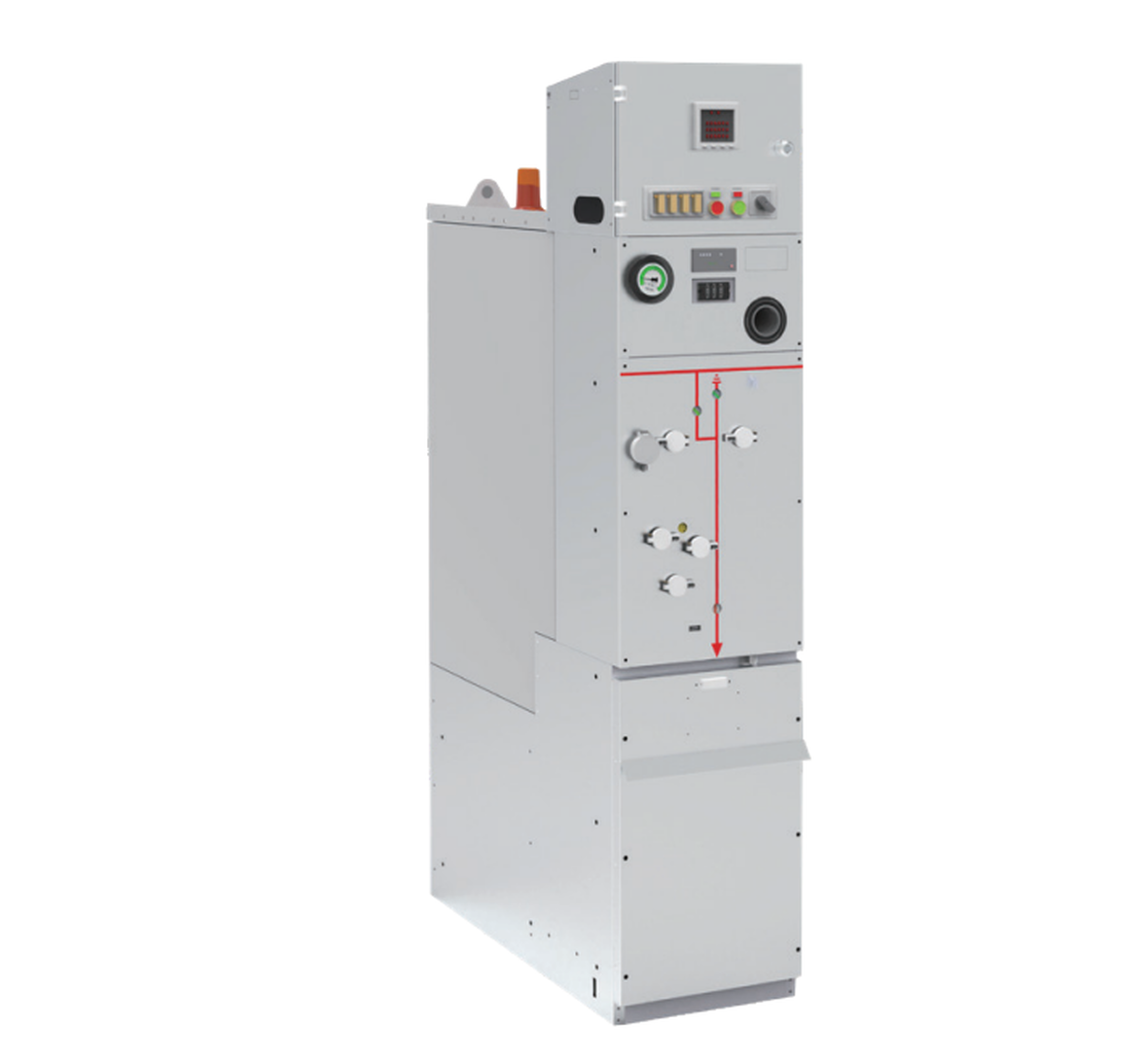
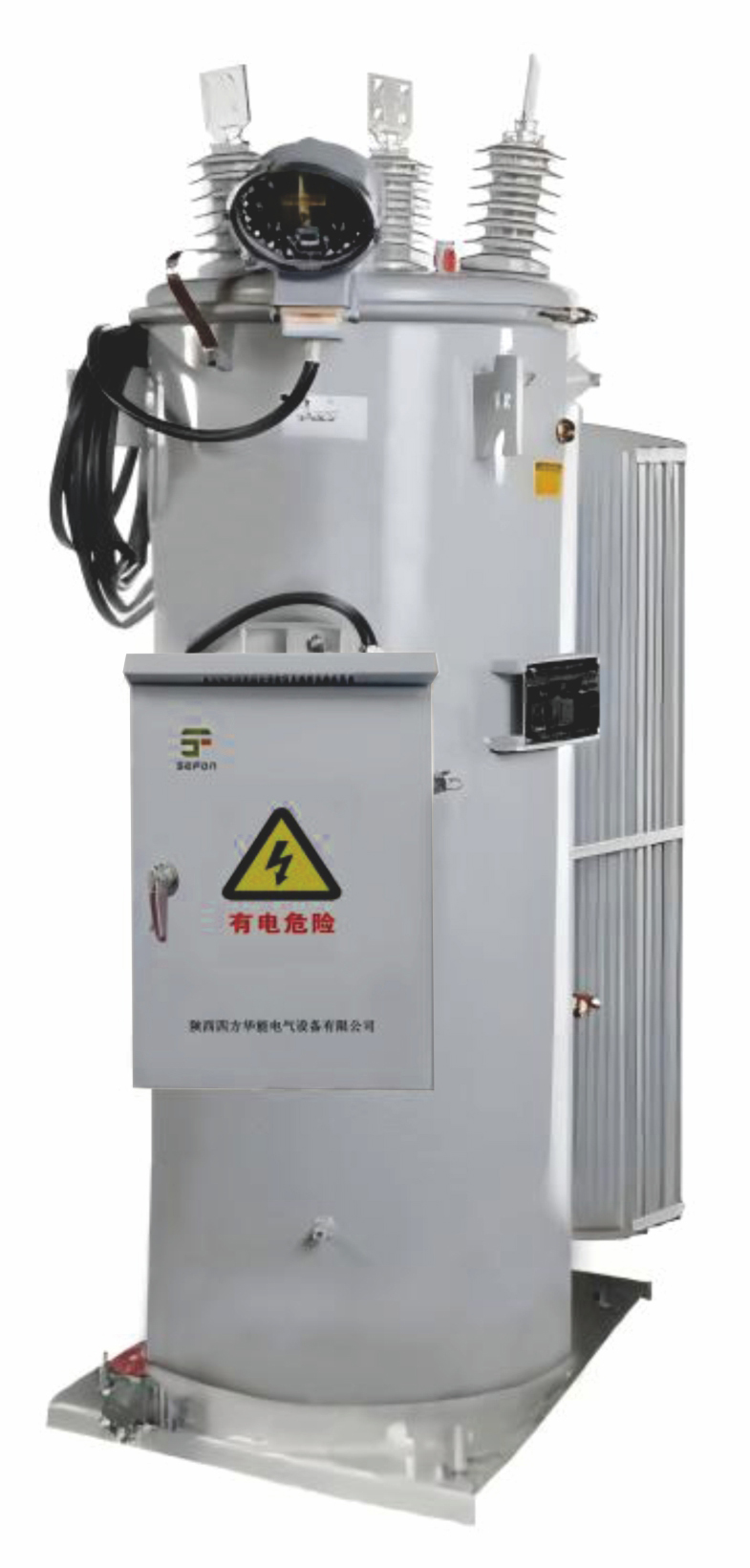
Single-Phase Automatic Voltage Regulator(AVR)
Shaanxi Sefon Electrical Equipment Co.,Ltd.