Capstone Copper Confronts Challenges: How Does Desert Mining Ensure 50-75% Emergency Production Capacity?
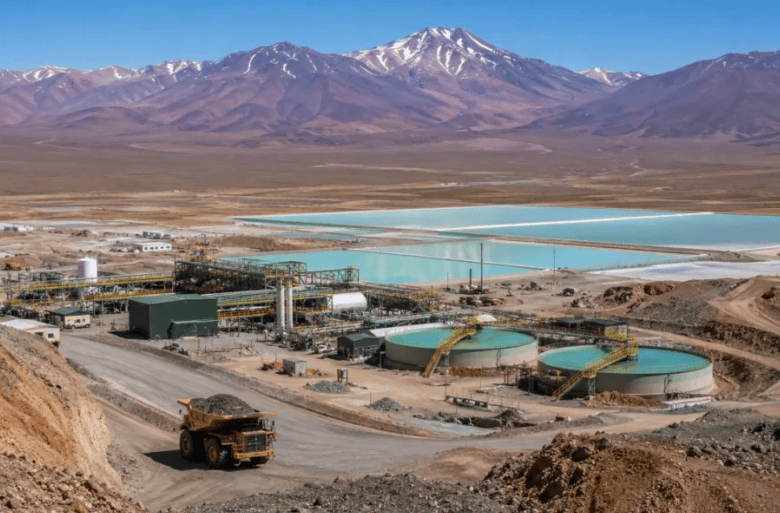
Wedoany.com Report on Feb 2nd, Copper mining operations in Chile's Atacama Desert face increasingly severe water challenges. Recent strike incidents at Capstone Copper's Mantoverde mine have highlighted the extent to which mining facilities in desert regions rely on desalination systems. These facilities are connected via long-distance pipeline networks, creating single points of failure risks within the production system. During labor disputes, controversies surrounding water infrastructure have heightened the likelihood of operational disruptions. 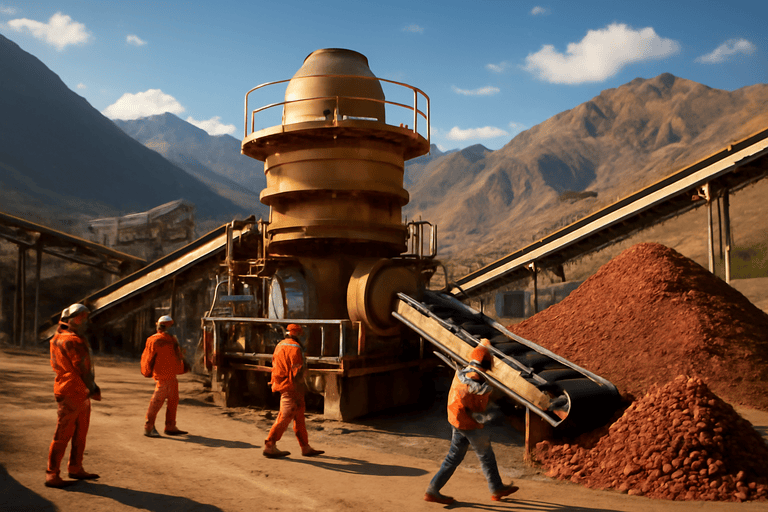
Copper mining operations in Chile typically involve multiple union organizations, with the largest union representing approximately 50% of the direct workforce. The collective bargaining framework operates through structured cycles, and unions often leverage production dependencies to advance demands regarding wages and working conditions. Chile's ongoing drought conditions have elevated water access from an operational necessity to a strategic bargaining asset. Mining companies have turned to coastal desalination solutions, making these facilities high-value targets during labor disputes.
Mining companies develop contingency protocols aimed at maintaining 50-75% of production capacity during workforce disruptions. Alternative workforce deployment strategies include redeploying management personnel, mobilizing contractors, and activating cross-trained workers. Chile's legal framework defines parameters for deploying replacement workers, and court intervention plays a significant role in ensuring access to critical infrastructure.
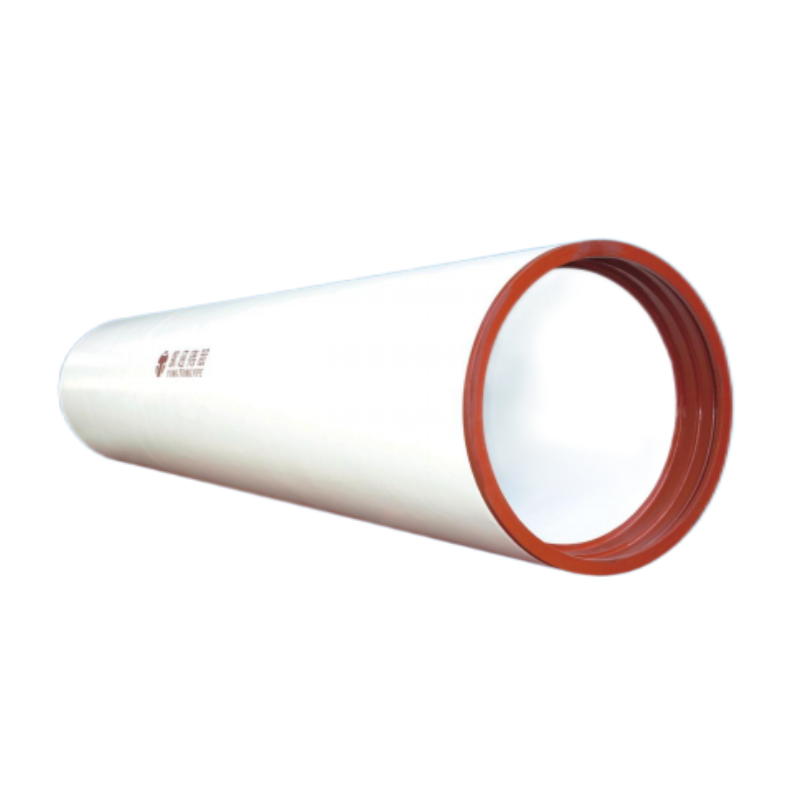
The 40-kilometer distance between coastal desalination facilities and mining operations creates an extended vulnerability corridor. These pipeline networks require continuous monitoring, as any disruption can impact the entire production system. The technical complexity of desalination plants means that power system interruptions may require 6-24 hours for recovery.
Financial markets react swiftly to announcements of mining labor disputes. Australian-listed mining securities typically experience price declines of 3-6% following strike announcements. Calculating production revenue during labor disputes must account for reduced output, increased operational costs, and impacts on customer deliveries.
Labor disputes in Chile's mining sector generally follow a structured resolution path, including direct negotiation, government mediation, and industry arbitration. Over the past decade, the average resolution time for copper mining disputes in Chile has been 3-8 weeks, with settlements often involving tiered wage increases and infrastructure access agreements.
Regional copper production disruptions affect global supply chain planning. Procurement strategies emphasize diversified supplier relationships and strategic inventory management. The acceleration of climate change in arid regions necessitates that mining operations develop more sophisticated water security strategies, including redundant desalination capacity and enhanced water recycling systems.