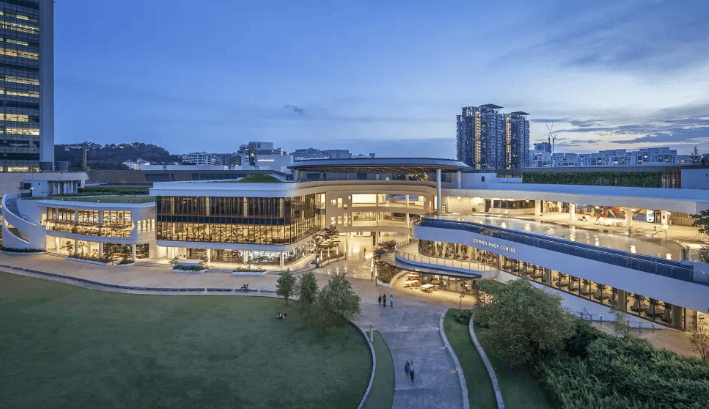
A research team from the National University of Singapore (NUS) has successfully developed an AI-powered headset called AiSee. This device is specifically designed for visually impaired users, assisting them in daily activities, providing convenient support for tasks like commuting and shopping.
AiSee connects via Wi-Fi and is equipped with a camera, a speaker, and an AI system based on large language models like GPT. During use, it provides users with real-time information through voice prompts. For example, it can accurately identify bus stops, inform users of the estimated arrival time of buses, and provide timely alerts when a bus or vehicle is approaching. In shopping scenarios, it can help users read product labels, identify colors, sizes, and prices, and even provide detailed descriptions of products to facilitate user selection.
Currently, NUS has established a spin-off company to actively advance the commercialization of AiSee. The device is priced at $299, and there are plans to apply for subsidies from the national disability agency, SG Enable. The research team is not stopping here; they are also exploring more application scenarios, such as providing guided tours for users in places like botanical gardens. This device not only aims to enhance the independence of visually impaired individuals but also holds potential uses for users with normal vision.