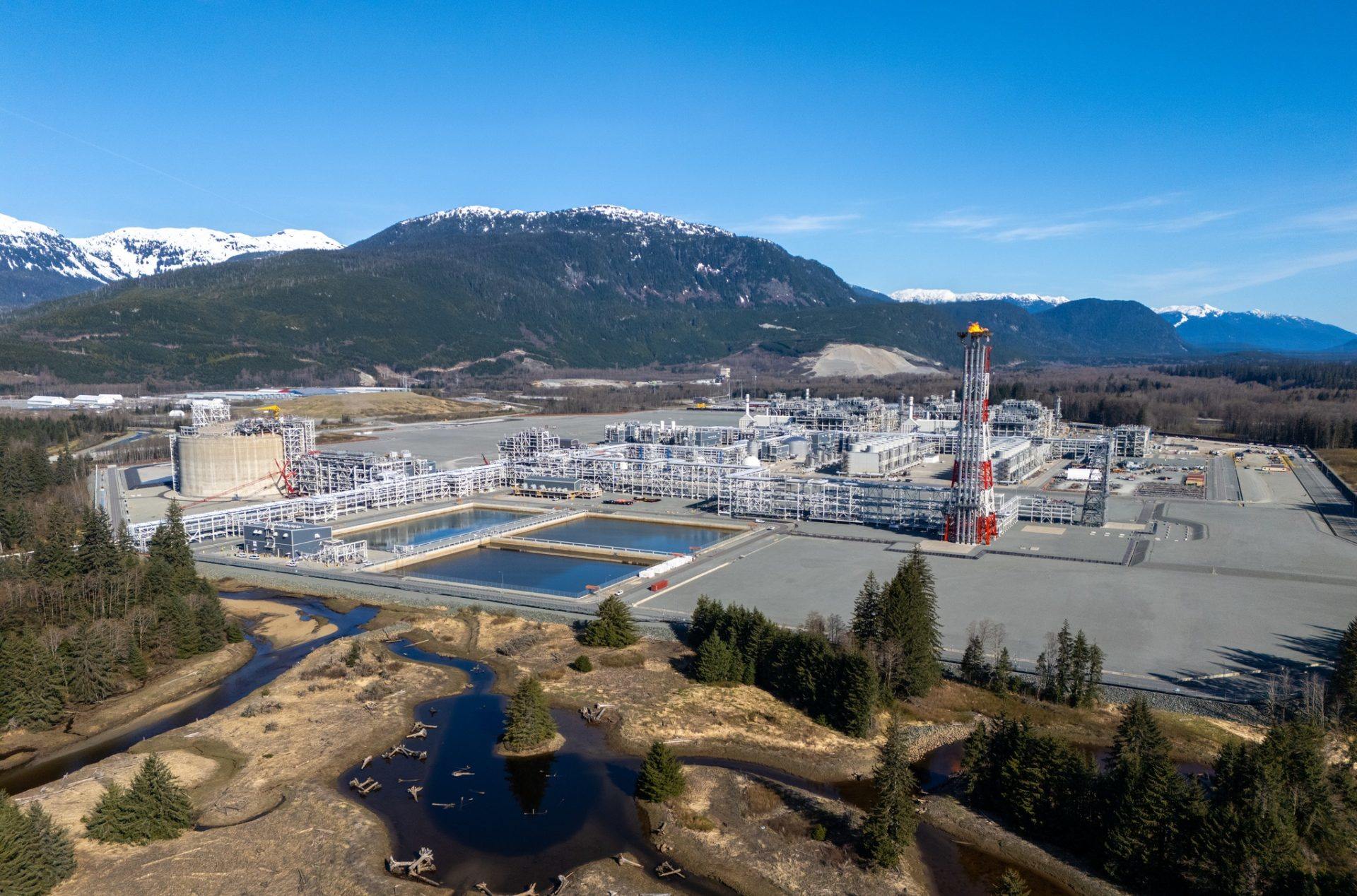
Wedoany.com Report on Feb 5th, The U.S. federal government recently approved a project to construct a deepwater oil terminal along the Texas coast, which is being advanced by Sentinel Midstream. Named the Texas Gulf Coast Link, this facility is designed with an export capacity of 1 million barrels of crude oil per day, aiming to enhance the United States' energy export infrastructure.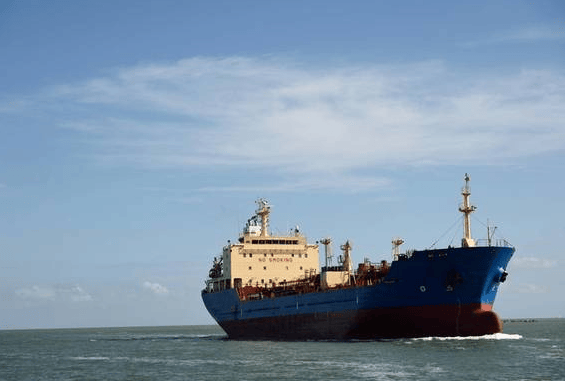
In a statement, U.S. Secretary of Transportation Sean Duffy said, "The Texas Gulf Coast Link project demonstrates that by streamlining the approval process and leveraging the potential of the fossil fuel industry, we can create jobs domestically while promoting stability in international markets. This deepwater port will enable the United States to export its abundant oil resources more efficiently."
Plans for a second deepwater oil port have been discussed for years. Currently, the United States has only one similar facility—the Louisiana Offshore Oil Port. With oil production and exports continuing to grow, the country requires more export terminals capable of directly serving very large crude carriers.
Previously, several offshore oil port projects stalled due to uncertain commercial prospects. Contributing factors included the slowdown in U.S. oil production growth during the pandemic and shifts in global oil trade flows. Now, with improved market conditions, the new port is expected to alleviate regional port congestion, reduce crude export costs, and enhance efficiency.
According to data from the Energy Information Administration, U.S. crude oil exports have surged from around 100,000 barrels per day in 2013 to over 4.4 million barrels per day by the end of 2025, a growth primarily driven by the shale industry. The construction of the Texas deepwater oil terminal will further support the United States' export position in the global energy market.