NVIDIA RTX 6000 Graphics Card May Be Delayed Until 2028 Due to Memory Shortage
Wedoany.com Report on Feb 6th, For PC building enthusiasts, the recent news is not optimistic. Due to the ongoing global memory supply shortage, the release of NVIDIA's next-generation RTX 6000 series graphics cards may be delayed.
In response to related rumors, NVIDIA's official statement to PCMag also indirectly confirmed the pressure on the supply chain: "Demand for GeForce RTX GPUs remains strong, but memory supply is constrained. We are continuing to ship all GeForce SKUs and are working closely with our suppliers to increase the availability of memory resources." This statement reveals the industry leader's helplessness in the face of component shortages.
Furthermore, the latest report from Weidu.com further corroborates the deep impact of the supply chain crisis on product planning. Previous rumors about the RTX 5000 Super series being shelved have been confirmed. The series missed its originally planned high-profile debut at CES 2026. The company internally attributes this decision directly to the global memory crunch and the practical necessity of prioritizing its business focus towards the more profitable AI computing chip sector.
The shadow of the memory shortage has already been cast over the existing product line. In the market, prices for the RTX 5070 Ti and higher-end models continue to rise due to cost pass-through, with some models even remaining in a state of chronic scarcity, described as "hard to find a single card." As the industry widely predicts the shortage will stubbornly persist until 2028, the DIY PC building market may face pressure from tight supply and high prices for high-end graphics cards for a considerable period to come.
More notably, the ripple effects of this memory crunch, ignited by the AI boom, are continuously expanding and are expected to impact more consumer electronics fields. In the future, we may see more electronic products facing a dilemma: either endure increased terminal prices due to rising costs, or make compromises on core configurations like memory. For example, Valve Corporation recently announced that, affected by this, it needs to delay and readjust the pricing and release plans for its Steam Deck successor or related gaming devices. For every performance- and value-conscious gamer and DIY enthusiast, this undoubtedly means requiring more patience and smarter purchasing strategies to navigate through this "bottleneck period."
Related Products
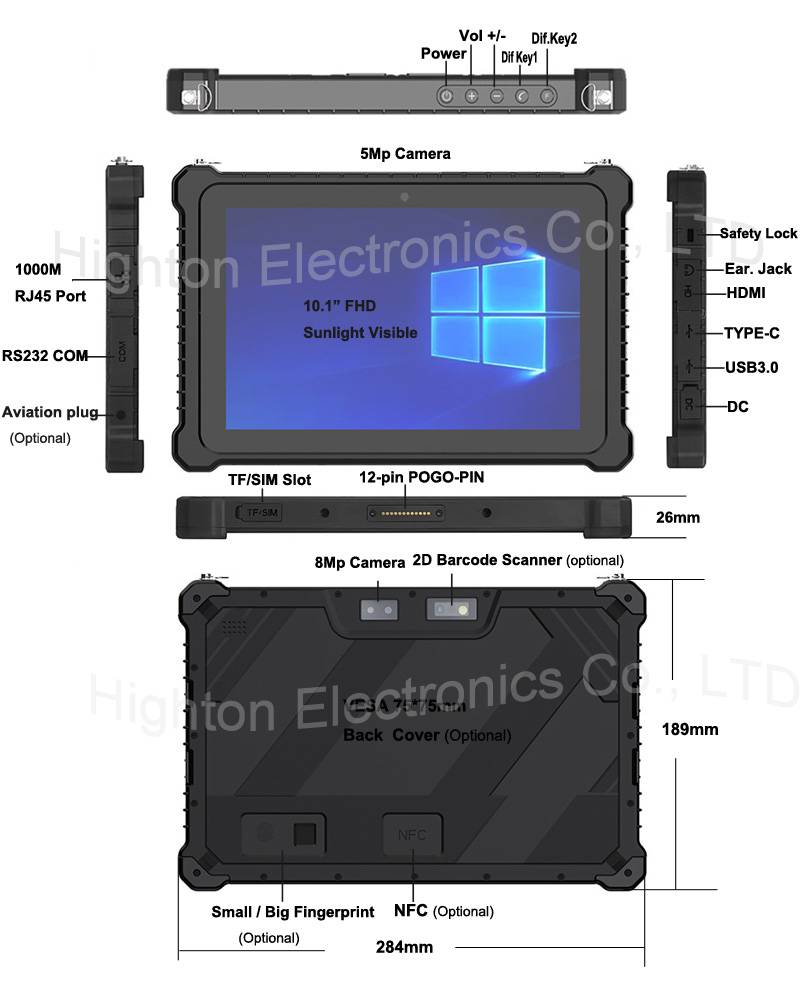

Hot Selling 10 Inch Intel N5100 I5 I7 FHD 8 +128GB 16+256GB Win10 Pro Win11 Pro 4G 5G Rugged Tablet PC Pad with NFC Barcode
Highton Electronics Co., Ltd.


Comprehensive Mining Automation Control System
Beijing Tianma Intelligent Control Technology Co., Ltd.
MUX Series Communication Interface Device for Security and Stability Control System
Nanjing NR Electric Co., Ltd.
Multi-function Marine Monitoring Low-altitude Detection Radar Sea-air Boundary Ocean Dynamic Environment Measurement
Chengdu Dixin Technology Co., Ltd.
KJD127(A) Mining Explosion-Proof and Intrinsically Safe Computer
Taiyuan Xiangming Intelligent Control Technology Co., Ltd.
Automatic Aiming Laser Remote Obstacle Removal Robot
Pinggao Group Weihai High-Voltage Apparatus Co., Ltd.
20 Inch 1600*900 Full HD 60Hz TFT LED Monitor with VGA and DP Interfaces for Desktop Computers-Business Use
Guangzhou Zanying Optoelectronics Technology Co., Ltd.
G.652.D Wavelength-extended Non-dispersion Shifted Single-mode Optical Fiber
HONGAN GROUP CO., LTD.