Integration of Quantum Security and AI Accelerates, Enterprises Face Dual Risk Challenges
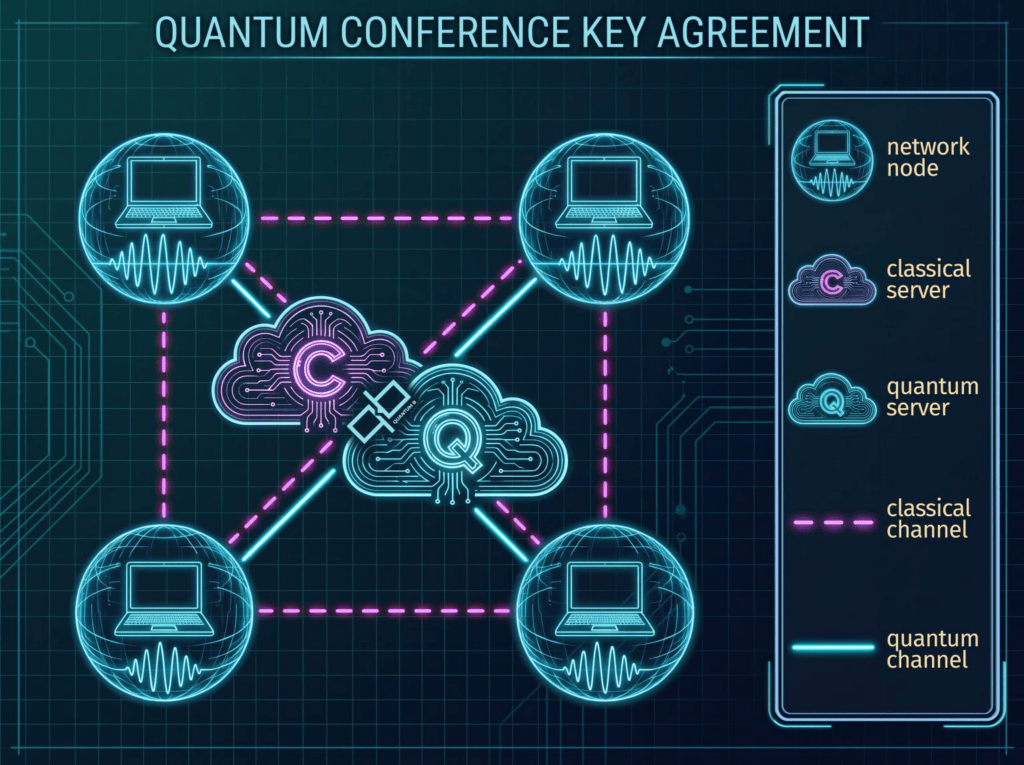
Wedoany.com Report on Feb 10th, The fusion of quantum security and artificial intelligence (AI) security is rapidly accelerating, a trend that is reshaping the risk landscape for enterprises. Previously, quantum security was viewed as a future threat, while the vulnerabilities of AI have become increasingly apparent with its widespread adoption. Today, these two fields are no longer isolated. Organizations must confront the dual challenges arising from their convergence, protecting increasingly sophisticated intelligent systems from both current exposures and future cryptographic risks.
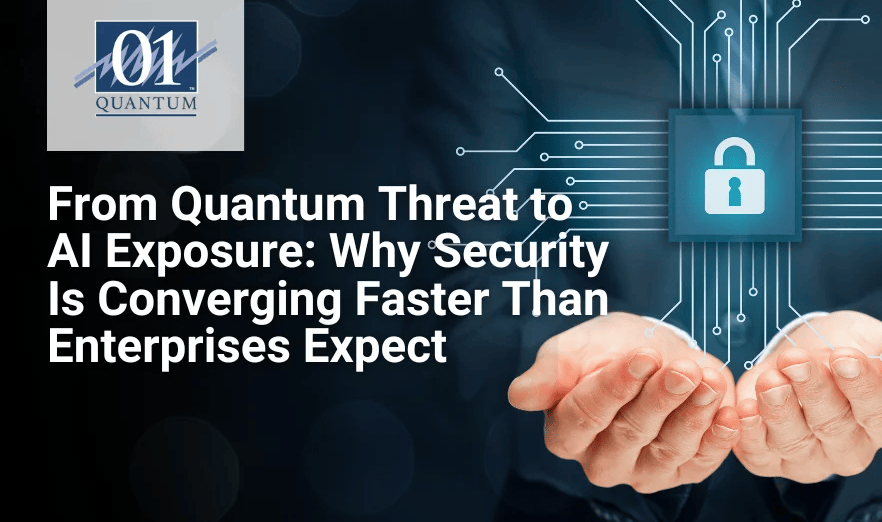
AI systems continuously process sensitive data, such as financial transactions, medical records, and proprietary models. Each interaction carries the risk of prompt privacy leakage, model intellectual property compromise, and training data exposure. Traditional security architectures struggle to protect data in use. Emerging technologies like fully homomorphic encryption, which allows computations on encrypted data, are transitioning from academic concepts to enterprise deployment. The foundations of quantum-safe cryptography are increasingly being applied to protect AI systems, forming a new security framework aimed at both future quantum threats and current AI exposures.
Enterprises are turning to orchestration layers that integrate encryption, optimization, and deployment workflows. Concepts like the "Quantum AI Wrapper" exemplify this approach, aiming to balance privacy and performance through hybrid architectures. For instance, 01Quantum's Quantum AI Wrapper (QAW) is such a solution. Based on post-quantum cryptography, it focuses on deployability and alignment with standards, helping organizations protect AI prompts and models in real-world environments.
The AI deployment cycle operates on a quarterly or monthly basis, far faster than the multi-year adoption timeline for post-quantum cryptography. This asymmetry creates a strategic dilemma: should AI remain in a vulnerable state while waiting for readiness, or should there be early investment in security infrastructure? Historically, security transformations have often been introduced by specialized providers, with large organizations adopting them once capabilities become deployable. A similar pattern is now emerging at the intersection of quantum security and AI.
The convergence of quantum security and AI is reshaping enterprise security strategies. Successful companies will view both as a single architectural challenge, rather than independent technological paths. The first phase of the quantum era may well be defined by how effectively enterprises protect their already deployed intelligent systems.
Related Products


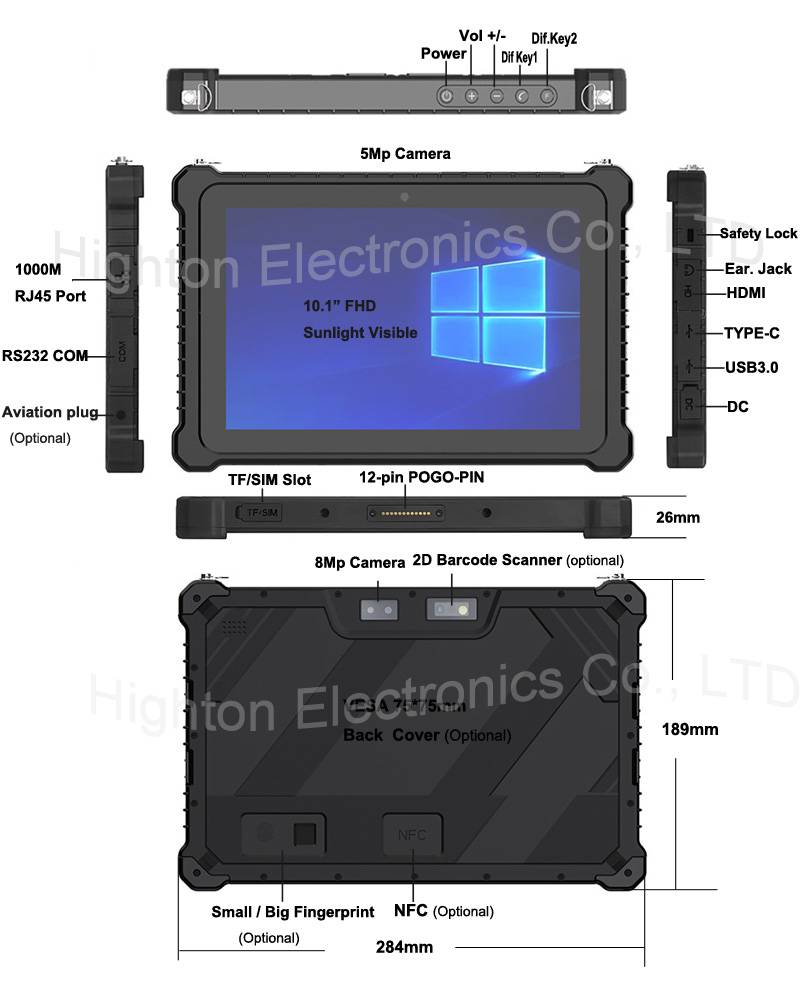
Hot Selling 10 Inch Intel N5100 I5 I7 FHD 8 +128GB 16+256GB Win10 Pro Win11 Pro 4G 5G Rugged Tablet PC Pad with NFC Barcode
Highton Electronics Co., Ltd.




Multi-function Marine Monitoring Low-altitude Detection Radar Sea-air Boundary Ocean Dynamic Environment Measurement
Chengdu Dixin Technology Co., Ltd.