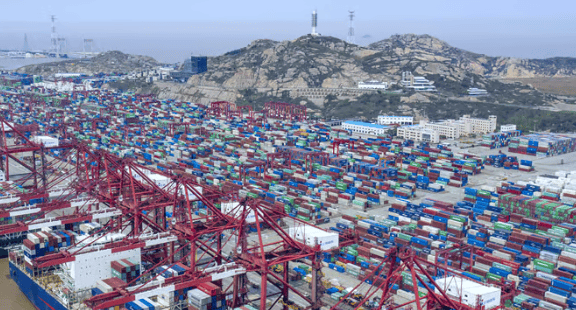
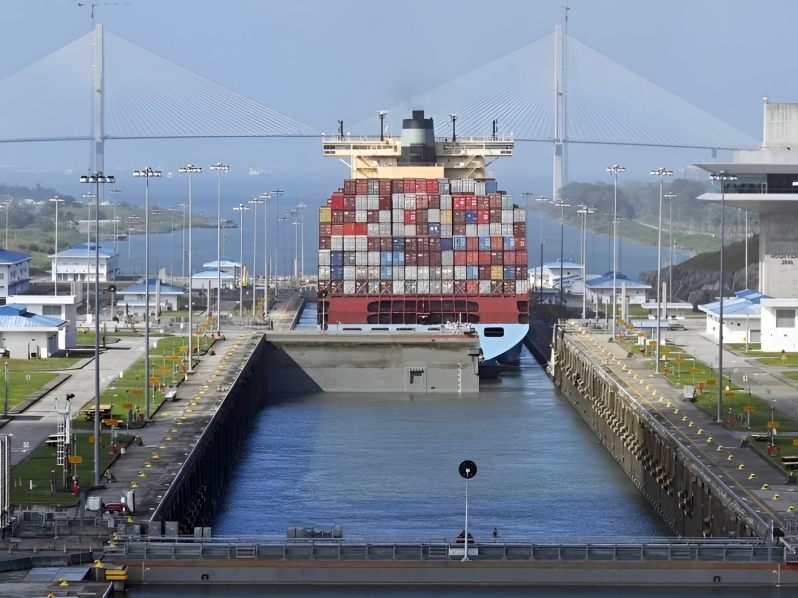
Arctic Ship Traffic Increases 40% Over Decade, Driven by Resource Development
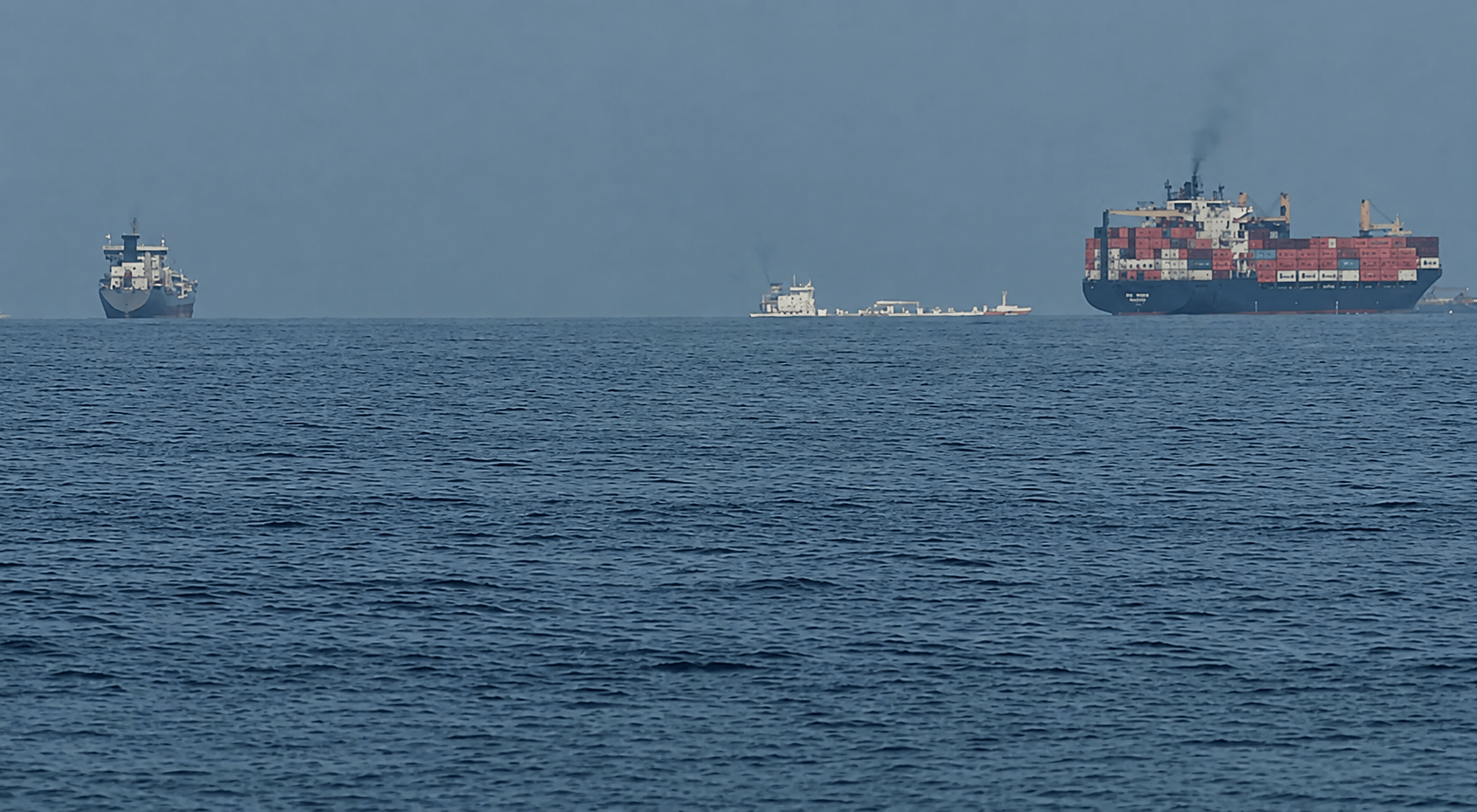
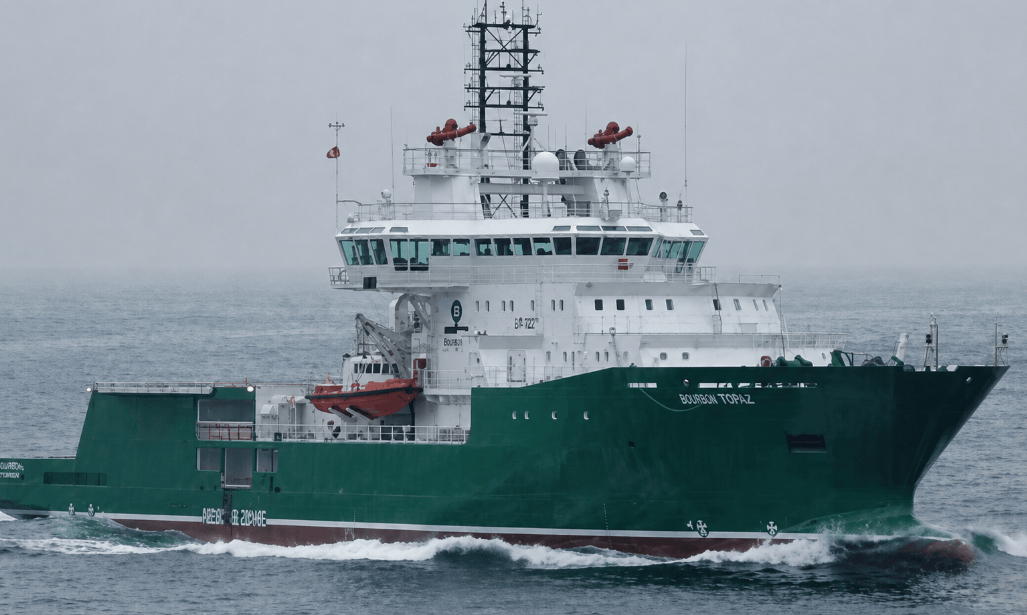
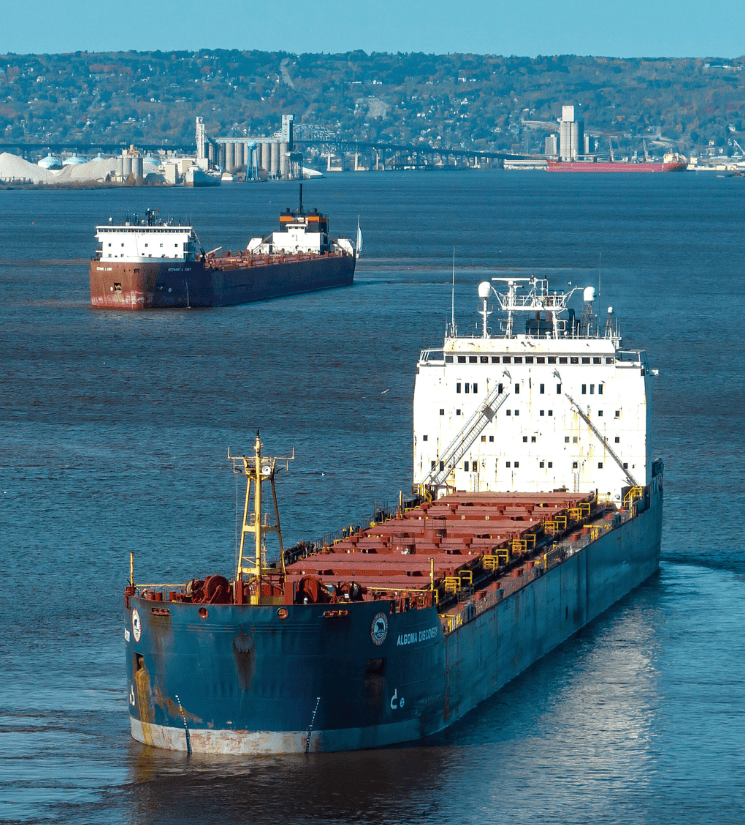
According to the latest data released by the Arctic Council's PAME working group, Arctic ship traffic reached a record high in 2025, with 1,812 unique vessels, a 40% increase compared to 2013. The total distance sailed almost doubled during the same period, reflecting a significant rise in voyages related to oil, gas, mining, and fishing activities. Arctic shipping exhibits distinct seasonal patterns, peaking between August and October each year as sea ice retreats.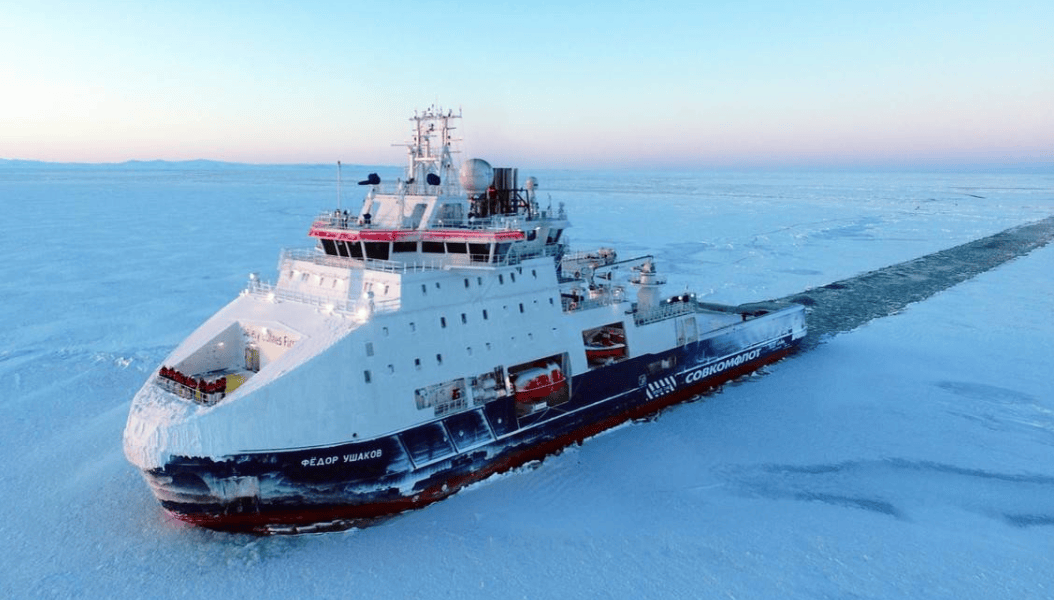
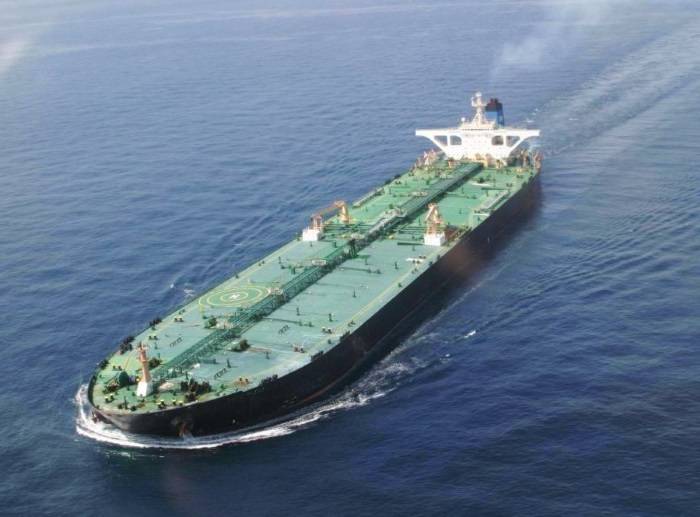
Over the past decade, the structure of Arctic shipping has changed significantly. Crude oil tanker traffic has quadrupled, while liquefied natural gas (LNG) shipping has expanded substantially to support major resource development projects like the Yamal LNG. These changes indicate that resource exploitation is a key driver behind the growth in Arctic vessel traffic. Although activity along Russia's Northern Sea Route has recently stabilized due to international sanctions, overall Arctic maritime activity continues to show sustained growth.
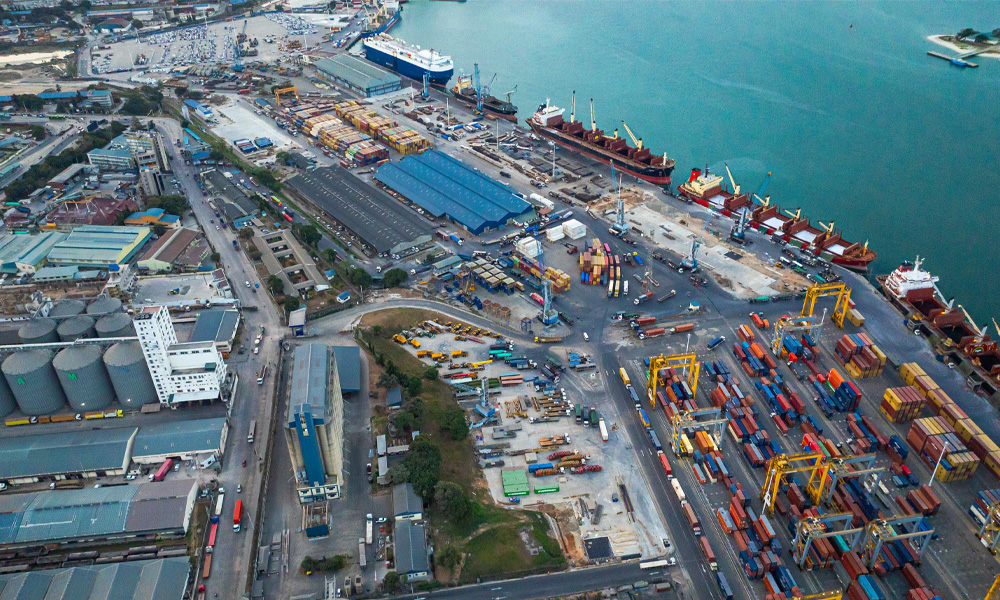
The increase in Arctic ship traffic is not only reflected in the number of vessels but also in the extension of sailing distances. The doubling of the total distance sailed means that vessels are operating over a wider area and for longer durations within the Arctic region. This trend is closely linked to the growing global interest in Arctic resources. The expansion of industries such as oil and gas, mining, and fishing directly drives the rise in shipping demand. In the future, as climate change leads to further reductions in sea ice, Arctic shipping may see more development opportunities. However, attention must also be paid to its environmental impacts and sustainability challenges.
Related Products


Wheel and Track Technology Business
Beijing Research & Design Institute of Rubber Industry Co., Ltd.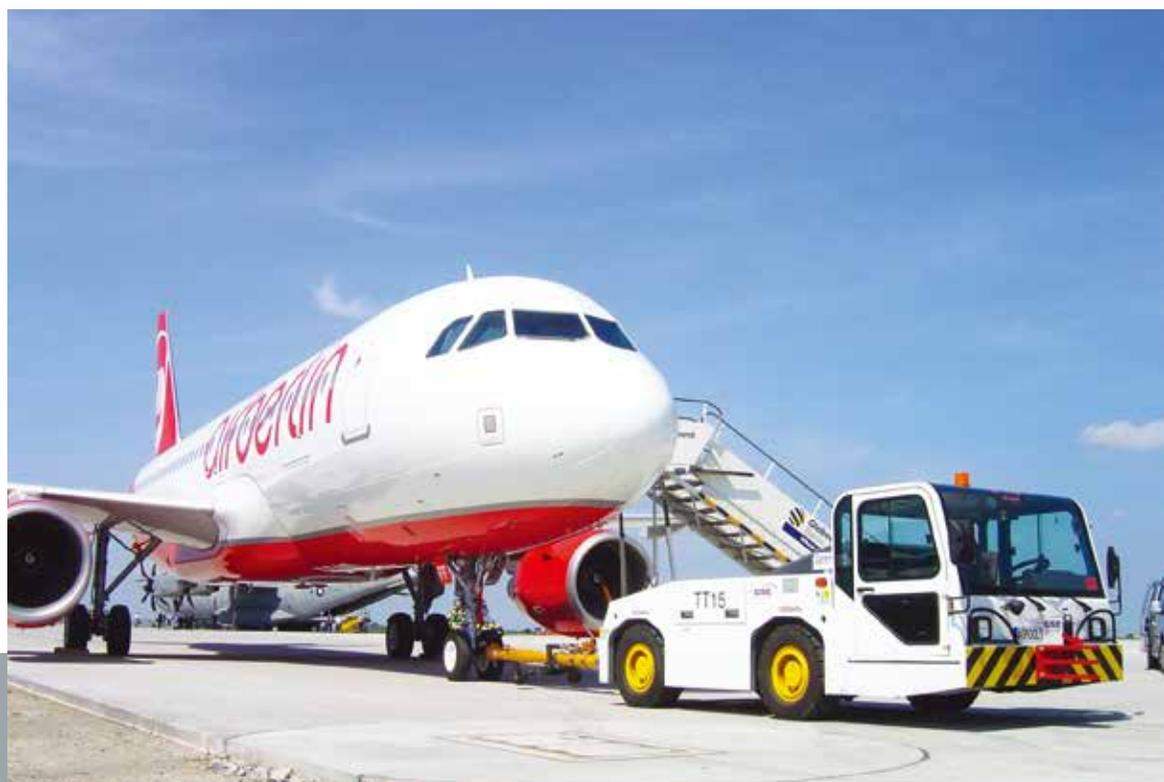
WGQY Series Aircraft Tow Tractor-WGQY15, WGQY27
Weihai Guangtai Airport Equipment Co., Ltd.
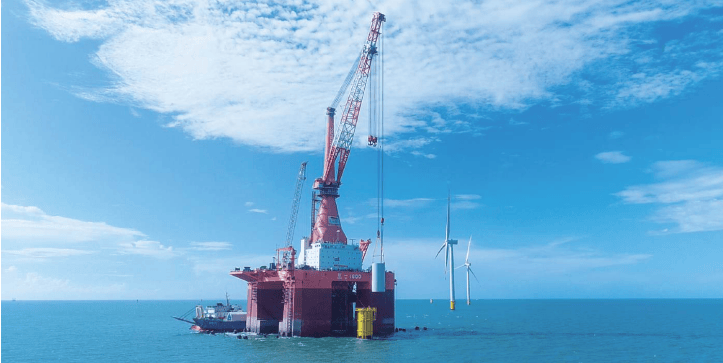
"Shunyi 1600" Deep-submerging Bottom-sitting Multi-functional Wind Power Engineering Vessel
Zhengli Offshore Engineering Co., Ltd.
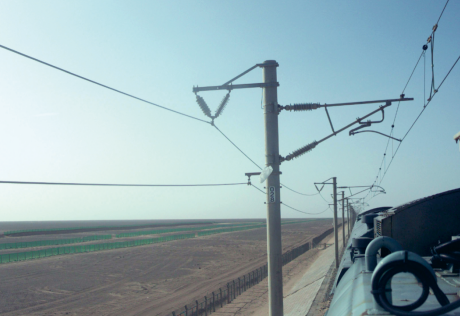
Pantograph-Catenary Comprehensive Detection Device (1C)
CHENGDU TANGYUAN ELECTRIC CO., LTD.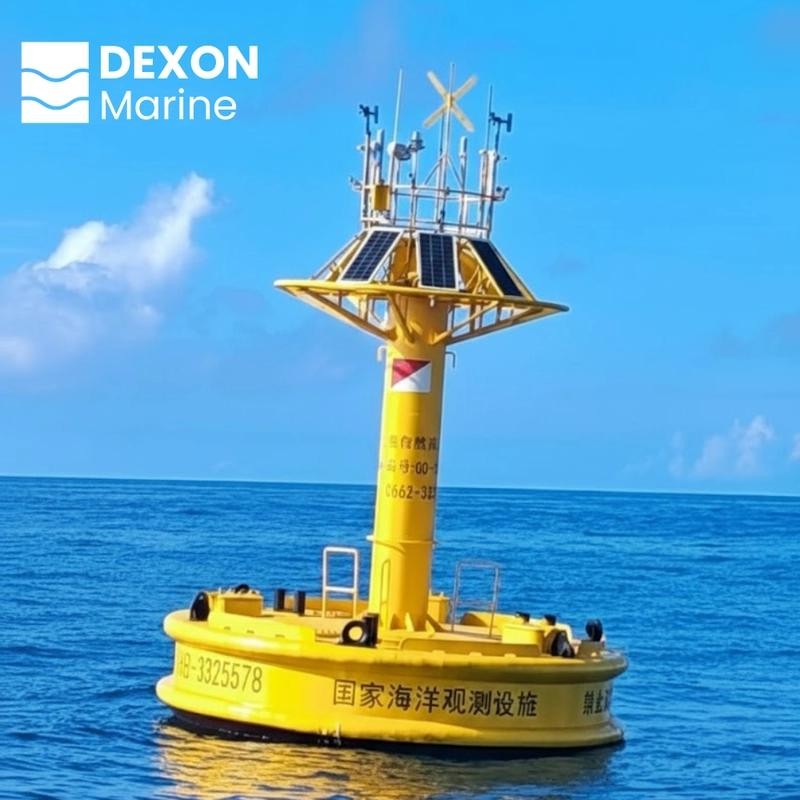
3m intelligent buoy combining navigation safety and real-time marine monitoring integrated navigation and marine monitoring system for real-time maritime data
Chengdu Dixin Technology Co., Ltd.