EPA Awards $44 Million to Support Chesapeake Bay Water Quality Improvement Projects
The U.S. Environmental Protection Agency (EPA) has announced over $44 million in grants through its Chesapeake Bay Program Office to advance water quality improvement, habitat restoration, and community protection efforts throughout the Chesapeake Bay watershed. This funding will support projects aimed at reducing nitrogen, phosphorus, and sediment pollution while promoting local ecology and economic development.
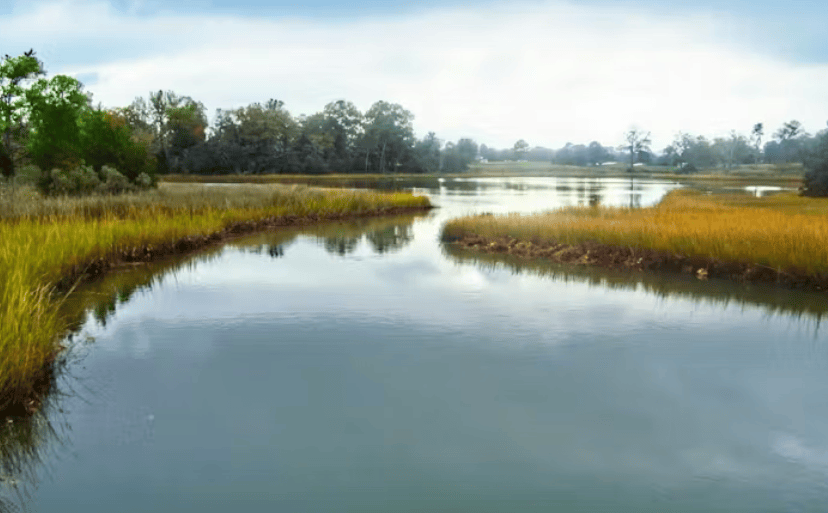
The funds are allocated through the Innovative Nutrient and Sediment Reduction Grant Program and the Small Watershed Grants Program, managed by the National Fish and Wildlife Foundation. These projects focus on agricultural conservation, wetland restoration, riparian buffer establishment, and living shoreline rehabilitation to enhance water quality and habitat health.
Amy Van Brakle-Rakie, EPA Region 3 Administrator, stated in a press release: "These two grant programs are part of a larger story of EPA's investment in the Chesapeake Bay. We are making targeted investments in agricultural conservation practices, wetland and floodplain restoration, riparian buffers, and living shorelines. These investments will result in cleaner water and healthier habitats while stimulating economic growth across the Chesapeake Bay watershed."
Specific projects include natural infrastructure retrofits in Elmira, New York, where Chemung County will use permeable pavement, street trees, and underground infiltration basins to optimize urban streetscapes. The District of Columbia's Department of Energy and Environment plans to retrofit three regional stormwater ponds to enhance discharge treatment capacity into the Anacostia River.
Overall, this year's grants are expected to restore 75 miles of riparian buffers, treat runoff from over 350 acres of developed land, implement 120,000 acres of agricultural best management practices, and reduce annual nitrogen pollution by 1 million pounds. Additionally, the projects will restore wetlands and marshes, install livestock exclusion fencing, and support over 700 watershed restoration jobs across multi-state watersheds, further advancing Chesapeake Bay water quality improvement.
Related Products

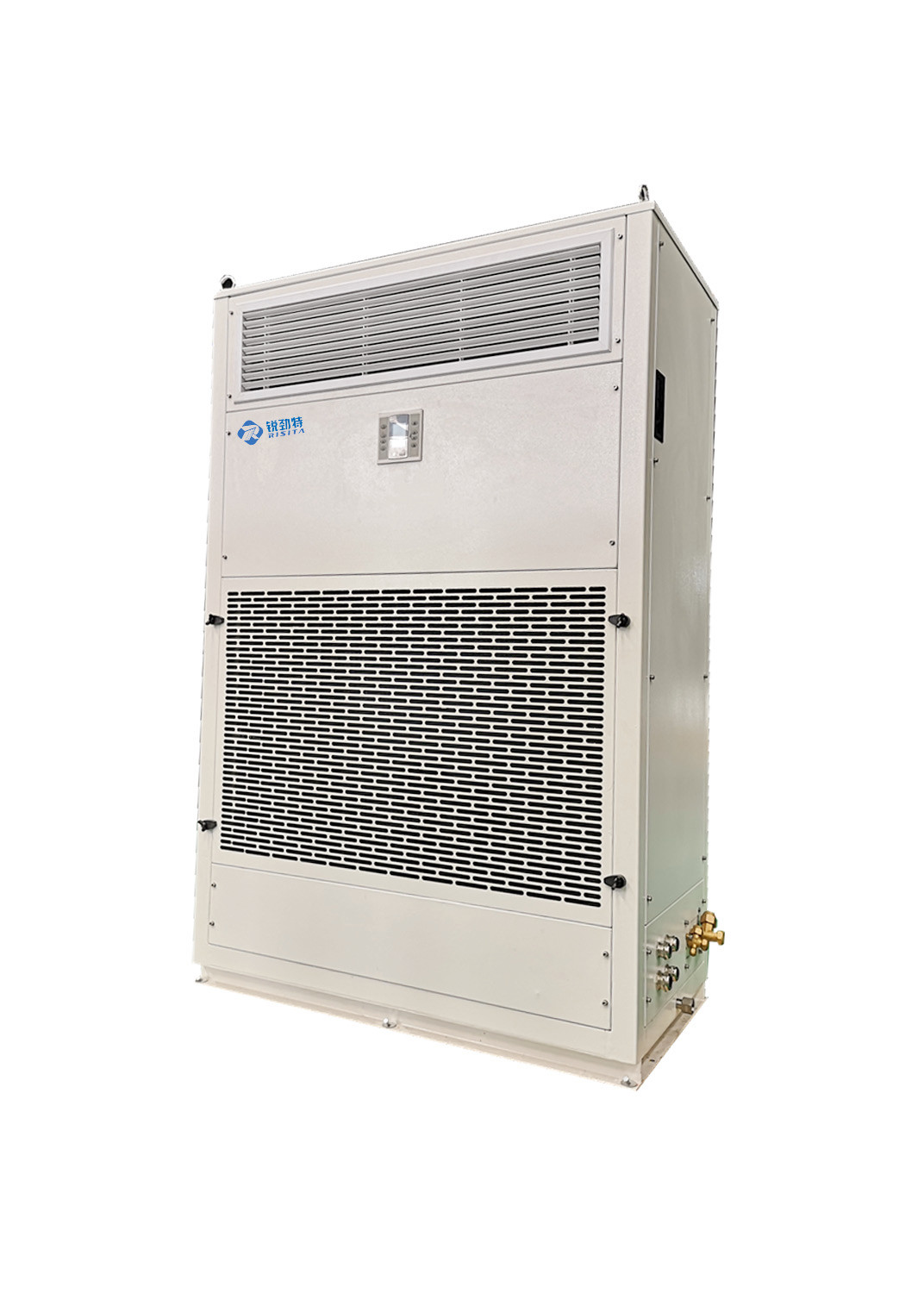
RISITA explosion-proof air conditioning
Guangdong RISITA Air Conditioning Equipment Co.,Ltd.


Ceiling light | led Ceiling Light | LED Indoor light | LED Ceiling lighting
Queendom Group Technology Co., Ltd.
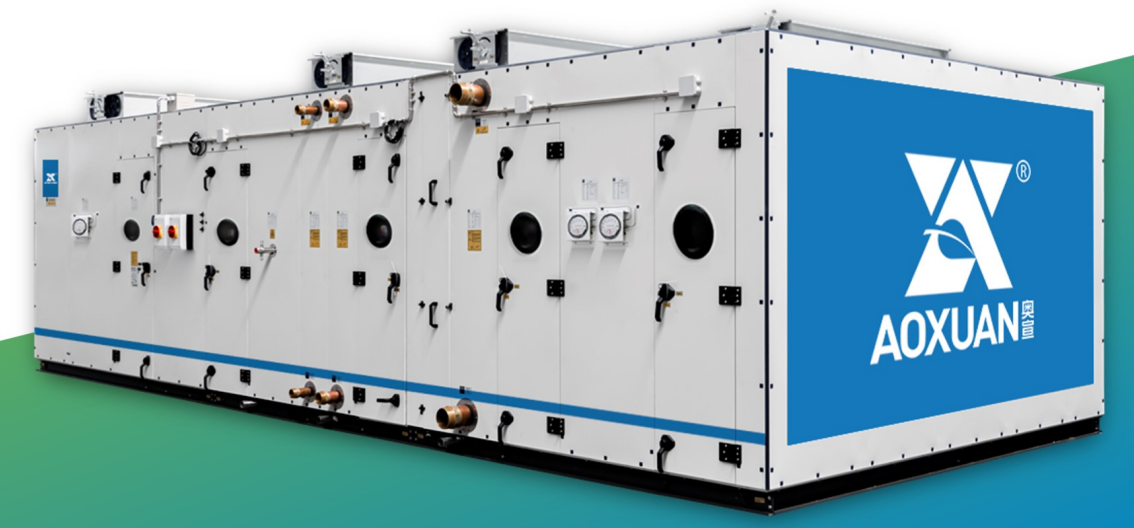
Aoxuan Intelligent Precision Air Conditioning Unit
SHANGHAI AOXUAN PURIFICATION TECHNOLOGY CO., LTD.