GLO Marine Invests $7 Million to Build Ship Conversion Center in Romania
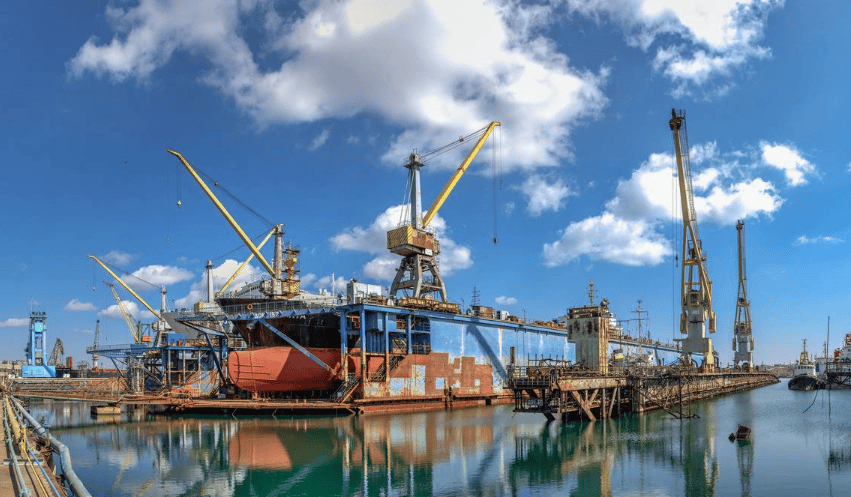
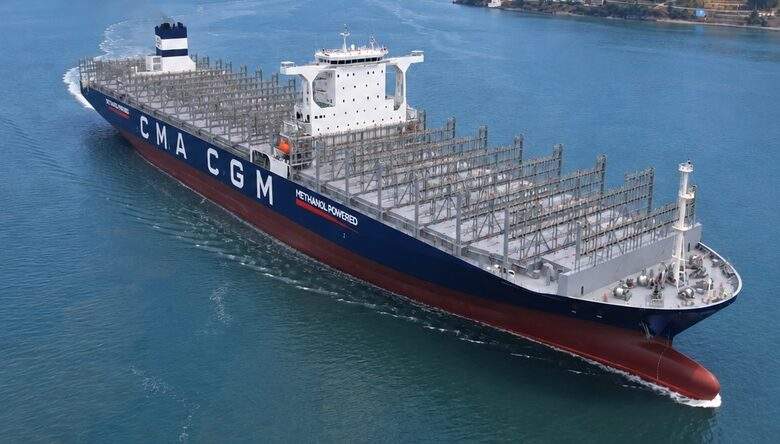
Wedoany.com Report on Feb 24th, Ship conversion company GLO Marine has announced a $7 million investment to establish a new integrated assembly and production facility in Galați, Romania. This move aims to expand the company's comprehensive service capabilities in vessel upgrades and decarbonization.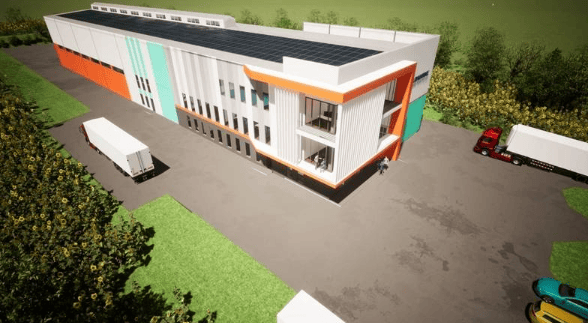
The new facility will support the design, manufacturing, pre-assembly, and integration of complex conversion systems, utilizing a coordinated delivery model. Construction has already commenced and is expected to be completed by the end of the year, with production starting in February 2027.
The project is anticipated to create approximately 40 technical jobs, including positions for welders, electricians, and integration specialists. As vessel upgrade projects become increasingly demanding in terms of electrification and structural complexity, particularly in the decarbonization sector, integrated execution capabilities have become more critical, prompting GLO Marine's decision to scale up its operations.
The Galați facility will focus on the manufacturing of steel structures, piping systems, skid modules, as well as electrical panels and switchboards. It will also produce pre-integrated decarbonization packages, including shore power systems and hybrid-ready systems.
The company is bringing mechanical manufacturing and electrical integration in-house to reduce interface risks, shorten onboard installation time, and enhance control over quality and delivery schedules.
"Our goal is not just growth, but leadership. We are building GLO Marine into the benchmark for quality and reliability in end-to-end vessel upgrades. Leadership in this field requires full control over the execution chain—from engineering to final delivery. This investment strengthens our ability to set uncompromising standards and guarantees the predictability and execution certainty that clients expect from a top-tier partner," said Alin Pohilca, Operations Director and Shareholder.
This investment is part of GLO Marine's strategy to enhance operational autonomy and position itself in an EPC-like role to manage conversion projects with high technical demands in European and international markets.