
| Notice Type | Tender Notice |
|---|---|
| Notice Number | 127717251 |
| Description |
Project Title: BV 2025-34 - Fanahammeren Wastewater Treatment - B1 Foundations and Marine Works Tender Reference: Internal Identifier 2025/256888 Project Overview: This procurement concerns Lot B1, which covers foundation works and subsea pipeline laying. The scope includes subsea pipelines, water supply and drainage trenches, pipeline networks, foundation works for pump stations, as well as the positioning and installation of pump stations within the excavation pit. The contractor for this lot is responsible for coordination, progress control, and scheduling with the pump station supply lots (M1 and M2). Pump station supply will be executed as separate lots. Subsea Pipeline Works Pipeline Laying and Technical Specifications Materials and Specifications: The main pipeline material must be High-Density Polyethylene (HDPE 100) or Duplex Stainless Steel (e.g., 2205) to ensure a 50-year design life in seawater, microbial, and potential hydrogen sulfide environments. Wall thickness design must comply with ISO 13623, considering water pressure, external hydrostatic pressure, laying stresses, and impact resistance. For Ø630 pipes, typical wall thickness may range from 28-40 mm. The pipeline exterior must be coated with a 3-layer polyethylene anti-corrosion system and integrated with a weighted concrete coating to provide negative buoyancy and ensure stability on the seabed. Laying Methods: Shallow Water (<30 meters): Trench and burial methods can be used. A dredger first excavates a trench along the predetermined route, then the pipeline is laid into the trench via the "bottom pull" or "S-lay" method, followed by natural or artificial backfilling. Deep Water or Complex Terrain: The "J-lay" method is employed to reduce pipeline bending stress. The entire process is performed by a dynamically positioned pipelay vessel, assisted by Remotely Operated Vehicles (ROVs) for real-time monitoring and adjustments. Route Survey and Preparation: Detailed seabed topographic, geological, and geophysical surveys must be conducted prior to construction to avoid shipwrecks, reefs, unstable slopes, and existing subsea facilities. Protruding rocks along the laying route must be leveled or blasted, and obstacles such as fishing nets and abandoned anchor chains must be cleared. Connection, Testing, and Monitoring Systems Connection Technology: HDPE pipelines use fully automatic butt fusion welding. Each weld joint has a unique identification number and welding parameter record and undergoes 100% ultrasonic non-destructive testing. Steel pipelines use underwater hyperbaric welding or mechanical connectors (e.g., VetcoGray's CFC connectors) to ensure connection strength and sealing. System Testing: After laying, segmental pressure testing is conducted at 1.25-1.5 times the design working pressure for 24 hours. Pigging and gauging operations are performed, using gauge plates to inspect the internal geometry of the pipeline, ensuring no dents or blockages. An overall system hydraulic test is implemented to verify design flow rates and pressure drops. Integrity Monitoring: A distributed fiber optic sensing system is installed along the pipeline to monitor pipeline strain, temperature, and third-party intrusion in real-time. Sacrificial anodes (aluminum or zinc alloy) are installed for cathodic protection, with potential monitoring points set up and inspected periodically by ROVs. Water Supply and Drainage Trench and Pipeline Network Works Onshore Trenching Works Excavation and Support: Based on soil classification (likely gravel or soft clay), appropriate slope ratios or trench boxes must be used to ensure worker safety. Near existing structures or roads, vertical support using steel sheet piles may be required. Foundation and Bedding: A graded sand/gravel bedding layer of at least 150 mm thick is laid at the trench bottom and mechanically compacted to achieve 95% Standard Proctor Density. In areas with potential settlement, geogrids may be required to reinforce the foundation. Drainage and Dewatering: During excavation, a deep well dewatering or wellpoint dewatering system must be implemented to lower the groundwater level to at least 0.5 meters below the trench bottom, ensuring dry working conditions. Pipeline Installation: Ductile iron pipes (K9 class) are preferred for onshore pumping pipelines. Socket and spigot joints use T-type rubber gaskets for sealing. Installation requires laser levels to ensure precise gradients. At bends or elevation changes, concrete thrust blocks or restrained joints must be installed to resist water hammer and thermal stresses. Ancillary Facilities: Inspection/manhole chambers are installed at regular intervals (e.g., 500 meters), equipped with butterfly valves, air release valves, and drain valves. All pipeline crossings under roads must use casing pipe jacking technology. The casing diameter should be two sizes larger than the main pipe and filled with flexible material. Pump Station Foundation Works Excavation Pit Works Excavation and Support: For deep excavation pits (potentially 8-12 meters deep), a steel sheet pile cofferdam (e.g., AZ series) combined with internal multi-level horizontal bracing (H-beams or steel pipes) must be used. Excavation dewatering and water level monitoring must be implemented to prevent piping and heaving. Ground Improvement: If the foundation soil is weak, deep soil mixing piles or precast pipe piles may be required for ground reinforcement. A 150-200 mm thick plain concrete blinding layer is poured at the pit bottom as a leveling course and base for waterproofing. Main Structure Construction Concrete Works: The pump station base slab and walls use C35/45 waterproof concrete (P-grade), incorporating crack-resistant fibers and waterproofing admixtures. Pouring must be continuous to avoid cold joints. Large steel formwork systems are used to ensure wall smoothness and verticality. All embedded parts, sleeves, and lifting anchors must be precisely positioned. Waterproofing and Corrosion Protection: Polyurea waterproof coating or bentonite waterproofing blankets are applied to the external structural walls. Concrete surfaces in contact with seawater use epoxy-coated rebar or corrosion inhibitors. Pump Station Installation and Integration Services Equipment Installation Heavy Lifting: Prefabricated pump houses, large pumps (e.g., Flygt FP series submersible pumps), and diesel generator sets are lifted using crawler cranes with a capacity exceeding 500 tons. Detailed lifting plans must be prepared, considering wind loads and ground treatment for crane positioning. Precision Alignment: Laser alignment tools are used for pump and motor shaft alignment, requiring accuracy within 0.05 mm to reduce vibration and wear. Piping and Valve Installation: Process piping within the station uses welded stainless steel pipes. Valves are equipped with electric or pneumatic actuators and manual handwheels. All pipes must have clear medium flow direction and pipeline number identification. Electrical and Automation Systems Power Distribution System: Installation of 10/0.4kV transformers, low-voltage switchgear, and variable frequency drive cabinets: All cabinets must have a protection rating of at least IP55. Laying of flame-retardant cables: with fire barriers installed within cable trays. Automation System: Core Control System: Uses redundant PLCs (e.g., Siemens S7-1500R), communicating with the municipal dispatch center via a fiber optic ring network. Instrumentation System: Includes electromagnetic flow meters, ultrasonic level transmitters, pressure transmitters, water quality analyzers (pH, COD, turbidity). Video Security System: Installation of explosion-proof cameras and perimeter intrusion alarm systems. Project Coordination, Management, and Compliance Services Integrated Project Control 4D/5D BIM Application: Establish a full lifecycle BIM model for the project, integrating time and cost information for clash detection, construction simulation, and progress payment applications. Collaboration Platform: Use platforms such as Procore or Bentley ProjectWise for real-time document sharing and issue tracking with the client, supervisor, design institute, and subcontractors. Environmental, Health, Safety, and Social Management Environmental Management: Construction vessels equipped with oil-water separators: and sewage treatment plants. Sediment generated from seabed excavation must be tested: If contaminated, it must be transported to designated disposal sites. Regular monitoring of seawater turbidity and noise during the construction period: Health and Safety: Implement a "Permit to Work" system: Special approval is required for high-risk operations such as diving, lifting, and confined space entry. All personnel must complete the Norwegian version of the safety induction course: Establish a medical station on-site: and set up emergency channels with local hospitals. Social Responsibility: Priority given to hiring local labor: Communicate with local fishing associations to arrange construction windows and compensate for possible short-term fishing losses. Quality Control and Delivery Factory Acceptance Test: Key equipment (e.g., pumps, valves, PLCs) undergoes FAT before leaving the factory. As-built Documentation: Deliverables include not only paper drawings but also a digital twin model containing all equipment parameters, maintenance records, and sensor interfaces, laying the foundation for future smart operations and maintenance. Special Restrictions: Subsea pipeline laying work is prohibited during the fish spawning season (February to April each year). Document Revision: The tender documents will be revised. Amendment No. 1 is expected to be issued in week 8, which will contain updates to the technical bill of quantities. The total of the revised price items will constitute the tender evaluation amount. Contract Type: Construction and Civil Engineering Works Place of Performance: Vestland County, Norway Estimated Duration: 24 months Tender Document Language: Norwegian Deadline for Questions: 27 February 2026, 12:00 Tender Submission Method: Electronic submission only Tender Submission Address: https://permalink.mercell.com/272186732.aspx Submission Language: Norwegian Are Multiple Tenders Allowed?: No Is an Electronic Catalogue Allowed?: No Contract Performance Requirement: Electronic invoicing is mandatory Notice Publication Platform: Doffin |
| Documents |  Attachment.pdf (115.22 K) Attachment.pdf (115.22 K) |
Expired Bergen, Norway - Tender for Bergen Water Subsea Pipeline Laying Project
Favorite
| Organization | Bergen kommune - Bergen Vann | Country | Norway |
|---|---|---|---|
| Contact | Kaia Småberg Heltne | Tel. | View more |
| View more | Address | Postboks 7700 Hoved klassifisering , | |
| Release Date | 2026-02-03 | Validity | 2026-03-06 |
Details
The tender information on this website is provided for reference only. If you intend to bid, please verify the authenticity and accuracy of the information with the tendering party. Our company reserves the right to adjust website content at any time and assumes no direct or indirect liability for it.Email: news@wedoany.com
Related Tenders
Related Products
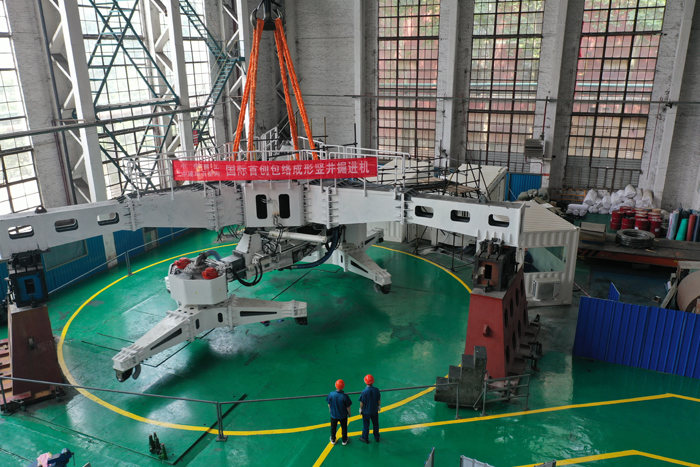
CITIC Heavy Industries Tunneling Equipment Tunnel Engineering Shield Machine
Negotiable
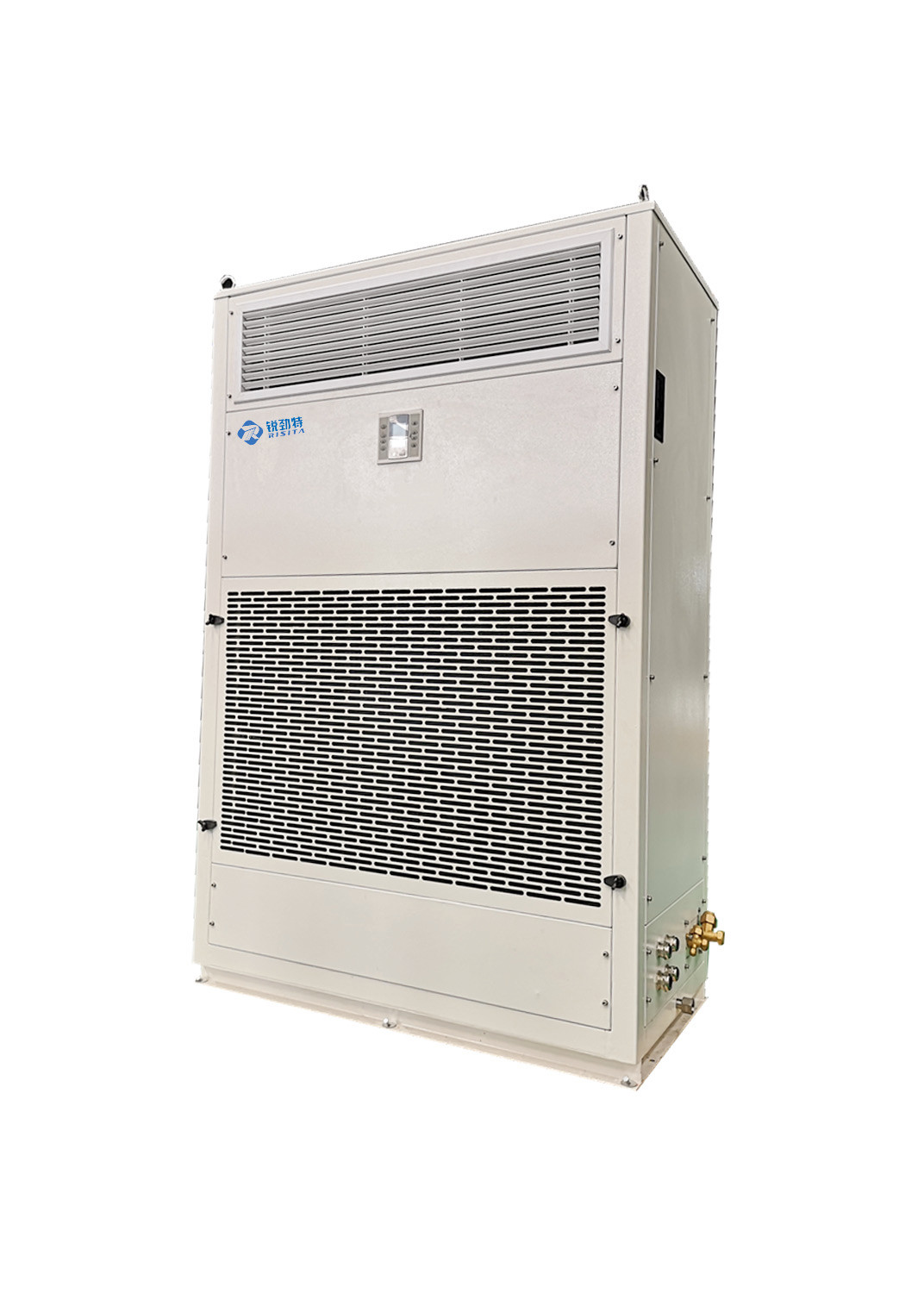
RISITA explosion-proof air conditioning
Negotiable
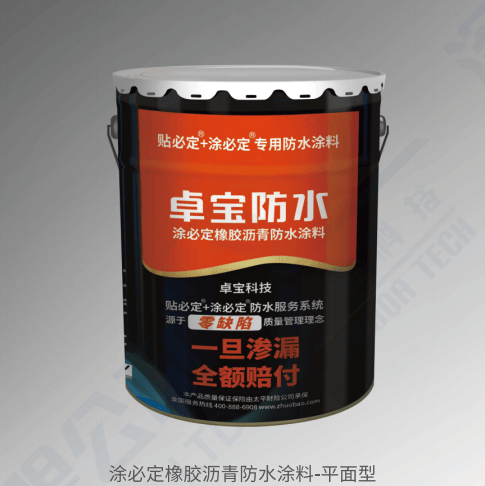
"Tiebiding + Tubiding" Waterproofing Service System
Negotiable
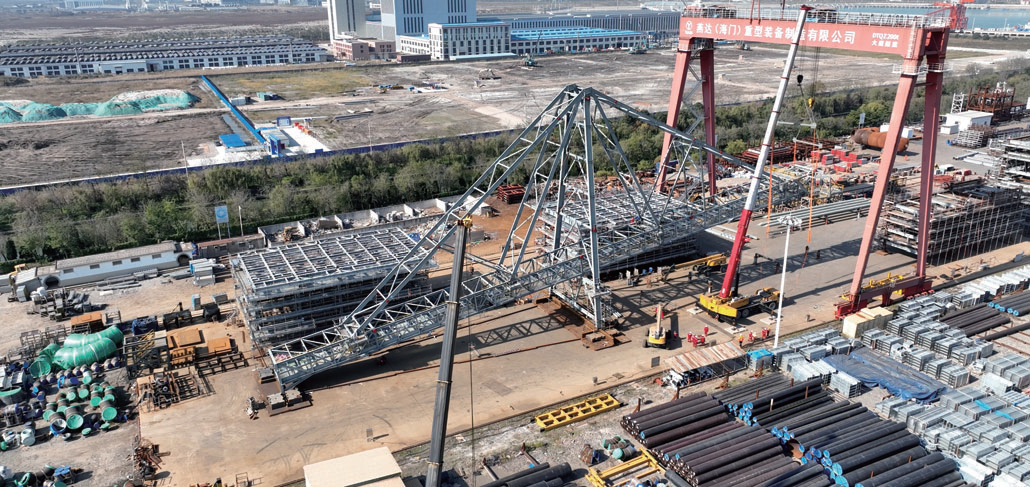
Steel Structures
Negotiable
Steel Structure
Negotiable /ton
Pinming CCBIM
Negotiable
China World Trade Center Project
Negotiable
API Series Casing
Negotiable

Bus Facial Payment All-in-One Machine
Negotiable
300mm Segment Type Countdown Traffic Light (Core Type)
Negotiable
ABS Lithium Bromide Unit
Negotiable
Aluminum Formwork System
Negotiable