
| Notice Type | Tender Announcement |
|---|---|
| Bid Type | Other |
| Announcement No. | CEZB260101466 |
| Description |
Project Name: Open Tender for the Civil Engineering Construction Project of the Equipment Plant for the Gentle Slope Incline at Guoyuan Power Shajihai Coal Mine Tender Number: CEZB260101466 Project Overview: This project is a surface ancillary supporting project for the gentle slope incline at Guoyuan Power Shajihai Coal Mine, located in the Shajihai Mining Area, Hoboksar Mongol Autonomous County, Tacheng Prefecture, Xinjiang Uygur Autonomous Region. It serves the gentle slope incline hoisting and transportation system, aiming to improve auxiliary mining production facilities and enhance overall operational efficiency and safety levels. The project is situated in a continental arid climate zone with cold winters, hot summers, large temperature variations, and scarce precipitation. The geological conditions are dominated by gravel layers, requiring consideration for frost heave prevention of foundations and seismic fortification requirements. Construction Content: The project encompasses civil engineering and installation construction for multiple core buildings and supporting facilities. Surface Combined Building for Gentle Slope Incline: This building is a multi-story reinforced concrete frame structure with a designed service life of 50 years, a seismic fortification intensity of 7 degrees, and a floor area of approximately 3,500-4,000 square meters. It serves as the "brain" and service center for the daily operation of the incline. Its functional zones are as follows: First Floor: Production Dispatch and Task Assignment Area. Includes a comprehensive dispatch hall equipped with an LED large-screen display system and dispatch command consoles for real-time monitoring of underground hoisting and transportation. Features a pre-shift task assignment room capable of accommodating 100 people simultaneously for safety briefings and task allocation. Also equipped with a miner's lamp room, self-rescuer distribution room, and instrument charging room, utilizing intelligent charging cabinet management supporting self-service pickup and return of personnel positioning cards. Second Floor: Office Management Area. Includes the mine manager's office, various department offices, a video conference room, and small negotiation rooms. The office area uses modular partitions, with reserved integrated cabling interfaces supporting office automation system integration. Third Floor: Employee Life Service Area. Includes male and female employee bathhouses, with the number of showerheads configured according to the maximum number of underground personnel, using thermostatic mixing valves and intelligent bathing control systems. Locker rooms are equipped with intelligent lockers supporting fingerprint or iris recognition, enabling one-to-one management of clothing, miner's lamps, and positioning cards. Also includes a laundry room, drying room, and temporary employee restrooms, meeting the "one-stop" needs of miners for washing, changing, and resting after exiting the mine. Roof Level: Reserved foundations for installing solar photovoltaic panels for auxiliary heating of bathing water, reflecting the green mining concept. Basement Level: Equipment and piping interlayer for laying main heating, water supply, and power pipelines, facilitating maintenance. Headframe Building: Located above the incline portal, it is a single-story, large-span steel structure with a floor area of approximately 600-800 square meters. The eave height meets the requirements for entry and exit of large equipment transport vehicles. Its core functions and configurations include: Personnel Access System: Equipped with bidirectional turnstile channels integrated with iris recognition or facial recognition attendance systems, linked to the personnel positioning system for real-time statistics of underground personnel. Material Transfer Area: The floor uses high-strength wear-resistant concrete with embedded rail foundations for transferring materials using mine cars or flatbed cars. Includes a temporary material storage area and anti-collision guardrails. Safety Detection System: Equipped with multi-gas sensors (methane, carbon monoxide, oxygen, etc.) for real-time monitoring of air quality at the portal. Includes alcohol detectors, metal detection gates, and explosive item checkpoints. Sealed Door and Insulation: The portal is equipped with a manual/pneumatic waterproof and fireproof sealed door, which can be closed in winter to resist cold air intrusion and prevent shaft icing. Walls use insulated composite panels to meet energy efficiency requirements. Auxiliary Rooms: Include the portal signal room, duty room, and small tool storage. 10kV Substation: High-Voltage Switchgear Room: Installation of several 10kV high-voltage switchgear cabinets (KYN28 type withdrawable) for incoming lines, metering, interconnection, and feeder circuits. Includes a cable interlayer or cable trench using firestop materials for zonal isolation. Transformer Room: Installation of two or more dry-type transformers (SCB13 type, capacity determined based on load calculation, estimated 2000-2500kVA), operating in a primary/standby or split configuration to ensure power supply reliability. The transformer room is equipped with a forced ventilation and cooling system. Low-Voltage Switchgear Room: Installation of low-voltage withdrawable switchgear (MNS or GCK type) to provide 380V/220V power to various buildings (combined building, headframe building, mixing station, etc.) and equipment (pumps, fans, lighting). Control Room: Houses the power monitoring system backend for real-time monitoring of current, voltage, power factor, and switch status, enabling remote opening/closing operations. Grounding System: The entire station uses a TN-S grounding system with a main equipotential bonding box; grounding resistance is not greater than 1 ohm. The roof is equipped with lightning rods for direct lightning protection. Concrete Mixing Station: A small mixing station for the mine's own use, covering an area of approximately 3,000-4,000 square meters, with a designed production capacity of 60-90 cubic meters per hour. Main components include: Mixing Host Building: Uses an HZS60/90 type modular mixing tower equipped with a twin-shaft forced mixer. The host building has a two-level platform: the first level is the discharge outlet, and the second level is the control room and observation platform. Batching System: Equipped with 4-6 aggregate bins (for storing crushed stone, sand) with electronic belt scale metering systems. Powder silos (cement, fly ash) have a diameter of 3 meters, height of 12-15 meters, each with a capacity of 100-150 tons; silo tops are equipped with pulse-jet dust collectors. Includes admixture storage tanks and metering systems. Control System: Uses an industrial computer automatic control system capable of automatically completing the entire process of batching, mixing, and discharging, recording production data for each batch, and supporting ERP system integration. Wastewater Treatment System: Includes a sand and gravel separator and slurry water recovery system to achieve zero discharge of mixing station wastewater and recycling of waste concrete. Raw Material Testing Room: A simple laboratory for testing sand moisture content, silt content, and concrete slump to ensure discharge quality. Fire Pump House: A semi-underground or above-ground reinforced concrete structure with a floor area of approximately 150-200 square meters. Core equipment and functions are as follows: Fire Pumps: Installation of two main fire pumps (one duty, one standby, flow rate determined by the sum of indoor and outdoor fire water demand, head pressure meeting the firefighting requirements of the most unfavorable point) and one jockey pump (to maintain pipeline network pressure). Control Cabinet: Uses a star-delta or soft starter control cabinet with automatic/manual switching functions, capable of linking with the fire control room. Suction and Discharge Pipes: Suction pipes use eccentric reducers to prevent air pocket formation. Discharge pipes are equipped with multi-function pump control valves, gate valves, and water hammer arrestors. Water Tank: Adjacent to or beneath the pump house is a fire water tank with an effective volume meeting the water demand for a 3-hour fire duration (estimated 500-600 cubic meters), equipped with a level gauge and automatic water replenishment device. Heating and Ventilation: Heating facilities to prevent freezing in winter and mechanical ventilation equipment to remove moisture. Rainwater Collection Tank: An underground reinforced concrete tank with an effective volume calculated based on local annual rainfall and catchment area (estimated 800-1200 cubic meters). Its functions and processes include: Initial Rainwater Diversion: An initial rainwater diversion device diverts more polluted initial rainwater into the sewage network, allowing cleaner subsequent rainwater to enter the collection tank. Tank Structure: The tank is divided into two compartments for alternating use, facilitating sludge removal. The tank top is covered with soil and greened, and the area above can be used as green space or parking. Equipped with ventilation holes, maintenance manholes, and ladders. Lifting and Reuse: Equipped with submersible sewage pumps to lift treated rainwater to the surface for use in landscape irrigation, road dust suppression, vehicle washing, and partial water supply for the concrete mixing station. Pipelines are designed with water meters. Water Quality Assurance: Consideration for adding integrated water purifiers or disinfection devices to ensure reclaimed water quality meets the "Water Quality Standard for Urban Miscellaneous Water Consumption of Reclaimed Water" standard. Site Leveling Roads and Commuter Roads: The road system uses a combination of loop and branch layouts, with a total length of approximately 3-5 kilometers and road widths of 9 meters (main road) and 6 meters (secondary road) respectively. Detailed design is as follows: Pavement Structure: The surface layer uses 28-30 cm thick C30 concrete (with added anti-freeze and anti-permeation agents), the base layer is 20 cm thick cement-stabilized gravel, and the subbase is 30 cm thick natural gravel, with a total thickness meeting the requirements for heavy-duty vehicles (axle load over 100 tons). The pavement has expansion joints filled with modified asphalt. Road Appurtenances: Includes traffic signs, speed bumps, convex mirrors, and nighttime lighting street lamps. Both sides of the main road have concrete curbs and drainage ditches. Parking Lots: A car parking lot in front of the combined building, and a concrete mixer truck and material truck parking lot next to the mixing station, paved with grass pavers to balance greening and load-bearing capacity. Perimeter Wall and Utility Tunnel: Perimeter Wall: The total length of the mine perimeter wall is approximately 2-3 kilometers, using a combination of wrought iron fencing and brick masonry solid walls. The roadside side features 2.5-meter-high wrought iron fencing for transparency and aesthetics; the mine boundary and hazardous areas have 2.5-meter-high brick masonry solid walls topped with barbed wire coils and equipped with electronic pulse or vibration optical fiber intrusion detection systems. Utility Tunnel: A cast-in-place reinforced concrete cover slab trench or cast-in-place reinforced concrete box culvert, with cross-sectional dimensions designed based on the number of pipelines (width 1.5-2.0 meters, depth 1.8-2.5 meters). Layout inside the tunnel: Power Cables: 10kV and 0.4kV cables are laid on racks in separate layers, with strong and weak current separation. Communication Fiber Optic Cables: Reserved space for laying telecommunication, surveillance, and network fiber optic cables. Water Supply Pipes: Domestic water and production water supply pipes, using ductile iron pipes or PE pipes, with insulation layers. Heating Pipes: Primary and secondary heating network pipes for the mine area, using prefabricated directly buried insulated pipes. Firefighting Pipes: Main firefighting pipes connecting the fire water tank to various buildings. Tender Scope: Includes construction of the aforementioned buildings and installation works, procurement of equipment, materials, furniture, and appliances, supervision, commissioning, technical services, special inspections (fire, occupational disease, etc.), final project acceptance, and all aspects of project construction management, including coordination of external project-related work. Planned Construction Period: Completion within 9 months from the date of contract signing. Quality Requirements: Must meet relevant national industry standards. Qualification Requirements: Bidders must possess a valid Mine Engineering Construction General Contracting Grade I or above qualification certificate, and a valid Work Safety Permit. Performance Requirements: From March 2021 to the bid submission deadline, bidders must have at least 2 completed contract performances that include coal mine surface building construction works, with a single contract value not less than 20 million RMB. Project Manager Requirements: The proposed project manager must possess a valid Grade I Constructor Practice Qualification Registration Certificate (Civil Engineering major) and a valid Work Safety Assessment Certificate (Category B), and must have served as a project manager for at least 1 coal mine surface building construction project. Safety Officer Requirements: Must provide the proposed safety officer's valid Work Safety Assessment Certificate (Category C). Bid Document Acquisition: From March 10, 2026, 09:00 to March 16, 2026, 16:00, purchase online via the "Guoneng e-Bidding Bidder Business System", price 70 RMB. Bid Submission Deadline: March 30, 2026, 09:00 (Beijing Time). Bid Opening Method: Public bid opening via the "Guoneng e-Bidding Bidder Business System", no on-site bid opening ceremony will be held. |
| File |  Attachment.pdf (264.49 K) Attachment.pdf (264.49 K) |
Expired Civil Engineering Construction Tender of China Energy Guoyuan Power Co., Ltd.
| Organization | CHN Energy Guoyuan Power Co., Ltd. | Country | China |
|---|---|---|---|
| Contact | Lu Zhenhua | Tel. | View more |
| View more | Address | No. 2, Lane 2, Nanlishi Road, Xicheng District, Beijing | |
| Release Date | 2026-03-10 | Validity | 2026-03-30 |
Details
The tender information on this website is provided for reference only. If you intend to bid, please verify the authenticity and accuracy of the information with the tendering party. Our company reserves the right to adjust website content at any time and assumes no direct or indirect liability for it.Email: news@wedoany.com
Related Tenders
Related Products
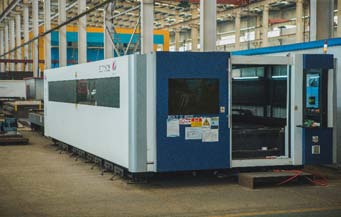
CNC Fiber Laser Cutting Machine
Negotiable
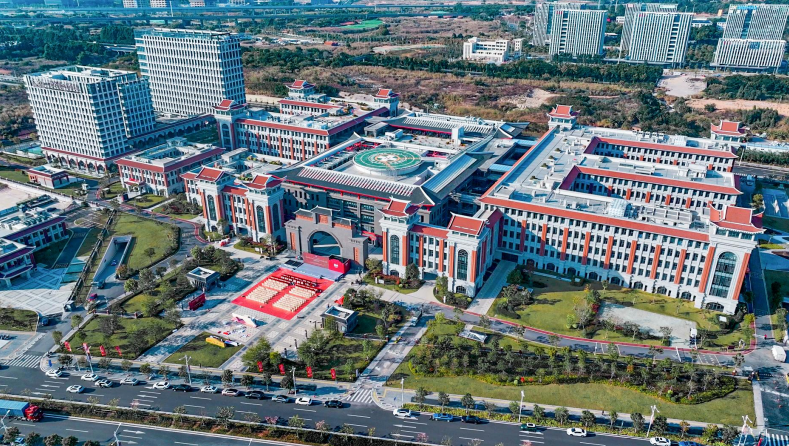
West China Xiamen Hospital of Sichuan University
Negotiable
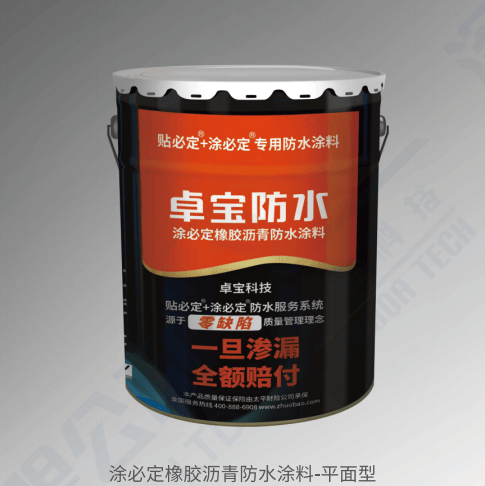
"Tiebiding + Tubiding" Waterproofing Service System
Negotiable
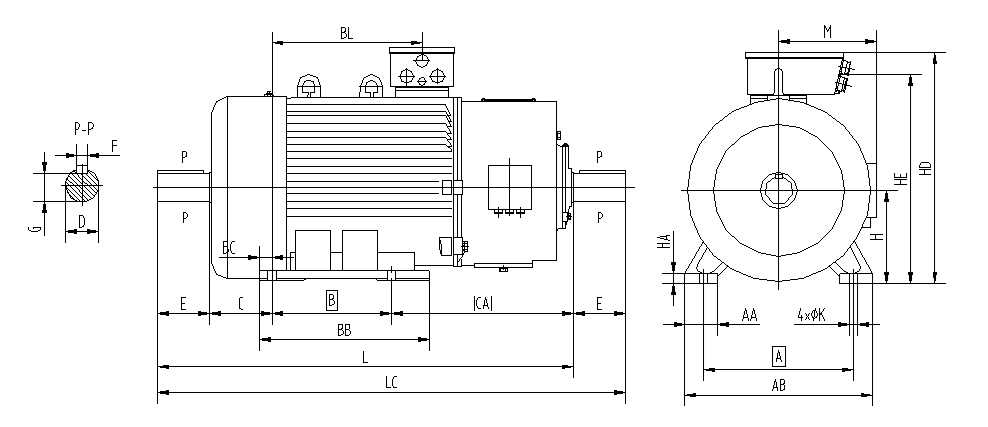
YZR (450-560) Series Wound Rotor Three-Phase Asynchronous Motors for Crane and Metallurgical Applications
Negotiable
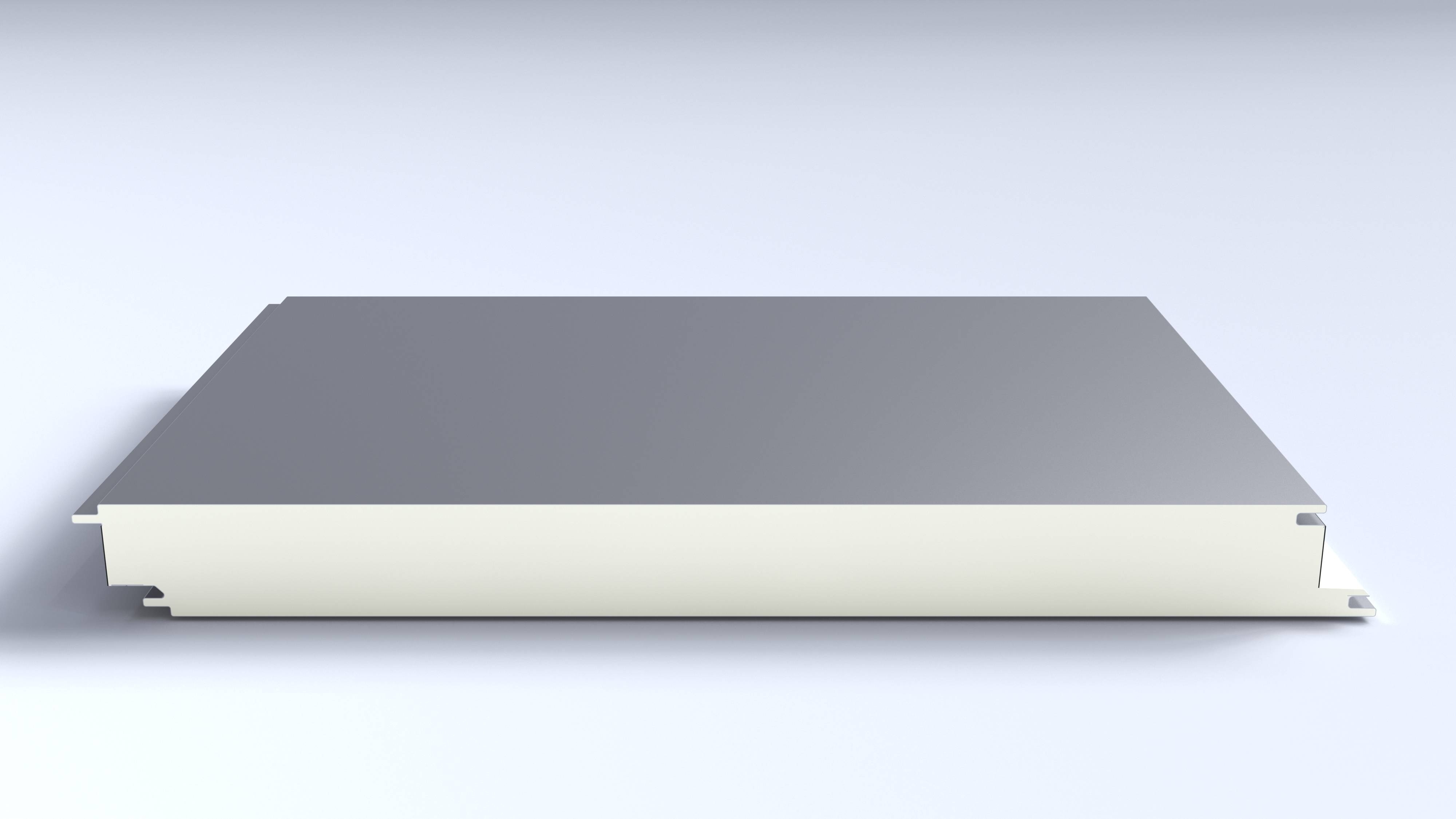
Pure Polyurethane Wall Panel BD-AEF-PIR-01
Negotiable
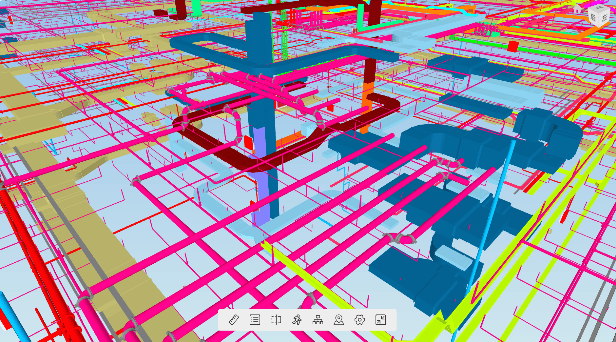
Pinming CCBIM
Negotiable
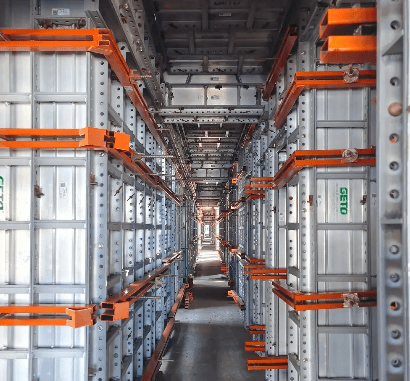
Aluminum Formwork System
Negotiable
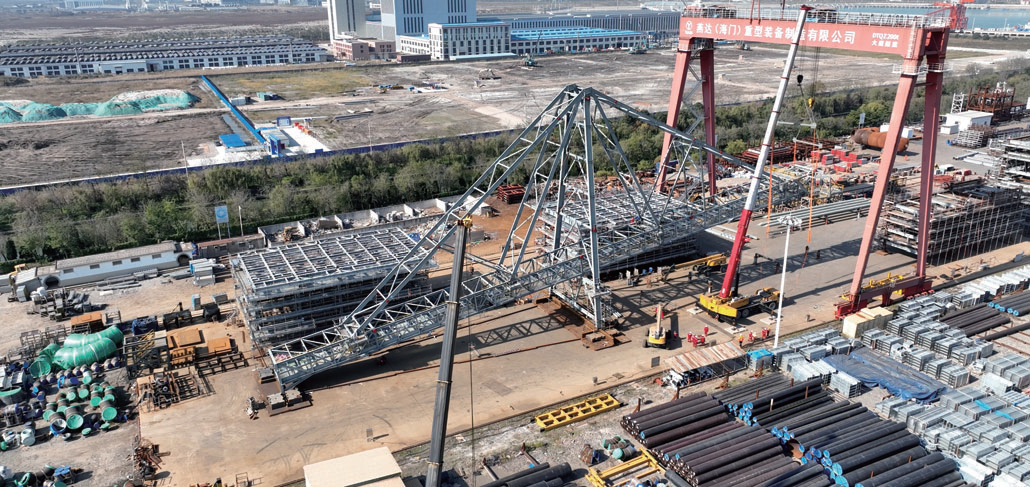
Steel Structures
Negotiable
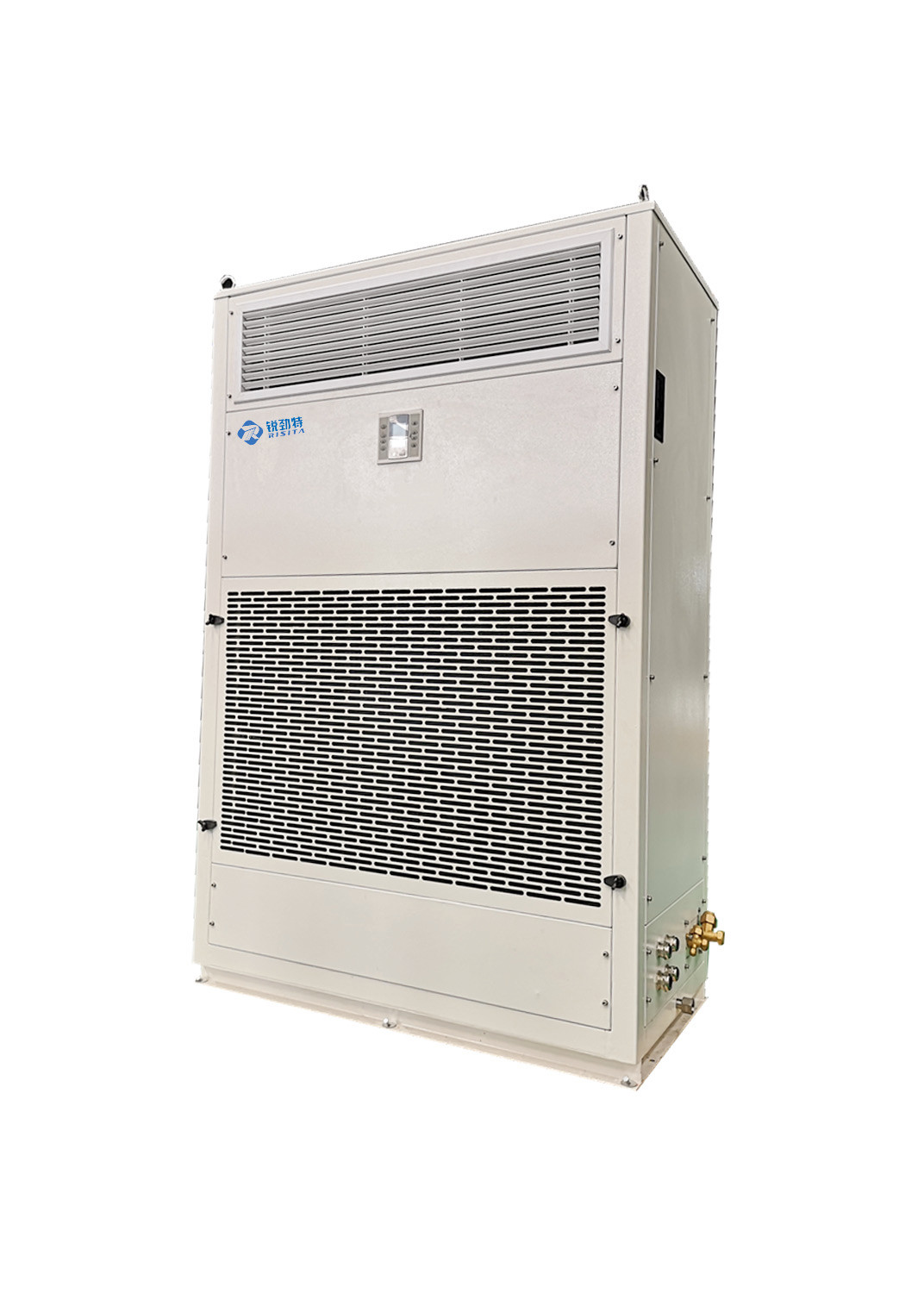
RISITA explosion-proof air conditioning
Negotiable
Hotel Elevator
Negotiable

Acoustic Mineral Fiber Ceiling Tile 595x595x12mm
Negotiable /square meter
ABS Lithium Bromide Unit
Negotiable