
The New Zealand government this week announced plans to reopen its territorial waters for oil drilling. All three parties in the current ruling coalition had previously pledged to overturn the 2018 ban on offshore oil exploration. Resources Minister Shane Jones has confirmed that the government intends to lift the ban later this year.
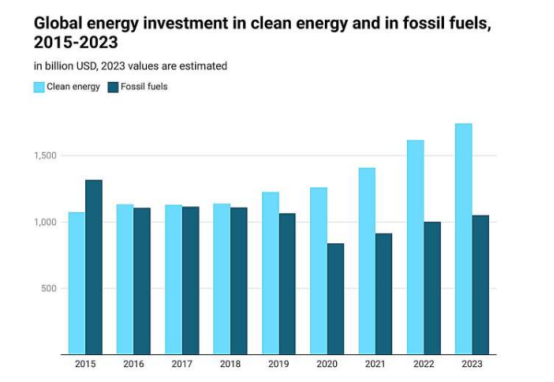
This decision on oil drilling contrasts with current energy transition trends. Multiple agencies predict that global oil demand may peak within this decade. Resources Minister Shane Jones stated that the government is considering incentives such as paying deposits to oil investors to protect against their drilling rights being revoked due to future policy changes.
The government is also reviewing a 2021 law that requires oil and gas license holders to cover the costs of decommissioning and cleaning up wells. This legislation was introduced after the financial collapse of the Tui oil field operator left taxpayers with approximately NZ$400 million in expenses. The International Energy Agency and others predict that global oil demand will decline as electrification in transportation advances, potentially reducing investment in oil exploration.
Major oil companies, including Shell and BP, forecast a decline in fossil fuel use over the next decade. The International Energy Agency predicts global oil demand will peak before 2030. While OPEC and ExxonMobil expect oil consumption to continue growing into the 2040s, ExxonMobil is also investing in renewable energy and carbon capture technologies.
Last year's UN climate conference, COP28, agreed to "transition away from fossil fuels." The International Energy Agency notes that existing or planned fossil fuel projects are sufficient to meet global energy demand projections through 2050, eliminating the need for new exploration and development. As the outlook for global oil demand shifts, BP predicts reduced investment in new oil and gas infrastructure.
New Zealand's natural gas field production has consistently underperformed in recent years. To maintain energy independence, the country may need maintenance drilling or limited expansion. However, the proposal to use public funds to attract international oil companies to drill in New Zealand faces scrutiny on both economic and environmental grounds.
The global energy transition trend continues to strengthen, with renewable energy generation costs now lower than fossil fuels. New Zealand's electricity system currently derives 85% from renewables, and the country plans to invest NZ$42 billion in renewable energy development by 2030 to meet projected demand growth. Meanwhile, the global electric vehicle fleet has grown from 300,000 in 2013 to 41 million in 2023, with 30 countries committing to phase out new fossil fuel vehicle sales by 2040.