
A research team from Tel Aviv University and Sheba Medical Center in Israel recently published significant research results in Advanced Functional Materials, successfully developing a revolutionary bioengineered skin substitute. This innovative technology is expected to fundamentally change the treatment methods for burn patients, providing better solutions for clinical practice.
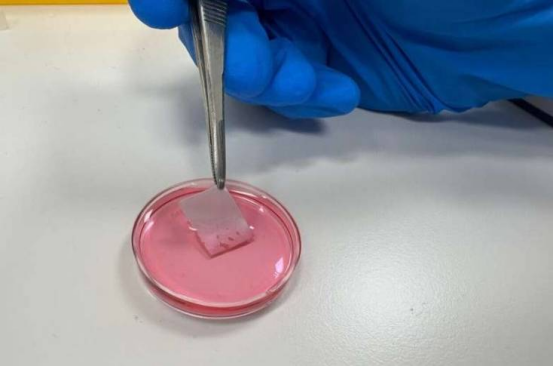
The study was jointly led by Professor Lihi Adler-Abramovich from Tel Aviv University and the Sheba Medical Center team. The technology uses an FDA-approved PCL polymer nanofiber scaffold combined with specially designed bioactive peptides to construct a multi-layered bioengineered skin. "The transplant flap we developed is not only durable and flexible, but more importantly, it maintains its original size without contraction," emphasized lead researcher Dr. Dana Cohen-Gerassi. Experimental data shows that compared to traditional treatments requiring 8 days, the new technology can close 50% of burn wounds in just 4 days.
Professor Yossi Haik from Sheba Medical Center pointed out: "This breakthrough technology uses the patient's own cells entirely, avoiding the drawbacks of traditional autologous skin grafting that requires damaging healthy tissue, making it particularly suitable for patients with large-area burns." Notably, signs of regeneration of skin appendages such as hair follicles were also observed in animal models, demonstrating excellent tissue regeneration capabilities.
The research team stated that this technology stems from Israel's urgent needs in war wound treatment. Dr. Ayelet Di Segni from Sheba Medical Center added: "Since October 2023, we have treated a large number of burn patients, which has prompted us to rapidly translate laboratory research into clinical applications."
Currently, the researchers are advancing more trial validations and preparing relevant regulatory approval processes, aiming to achieve clinical application of this technology as soon as possible. This innovation is expected not only to improve treatment outcomes for burn patients but also to provide new treatment options for other skin defect diseases.