
A research team led by Dr. Miloslav Polášek from the Institute of Organic Chemistry and Biochemistry (IOCB) in Prague has successfully developed an innovative method for separating rare earth elements (lanthanides), offering new hope for green manufacturing and sustainable development. The research findings were published in the Journal of the American Chemical Society.
Rare earth elements are widely used in electronics, medical, automotive, and defense industries, with global demand largely driven by the production of super-strong neodymium magnets, which are critical for electric vehicles, wind power plants, smartphones, computers, and data center manufacturers. However, as these industries flourish, the demand for rare earths continues to grow, while mining and refining these elements face challenges such as high energy consumption and the generation of large amounts of toxic and radioactive waste. With the rare earth market dominated by China, "urban mining" (recycling, regenerating, and reusing materials from discarded equipment) has emerged as a strategically important domestic source of rare earths.
Dr. Polášek stated, "In the future, primary ore mining alone will not meet the growing consumption of rare earths. Within a decade at the latest, we must manage these materials more carefully, and new technologies must be developed immediately."
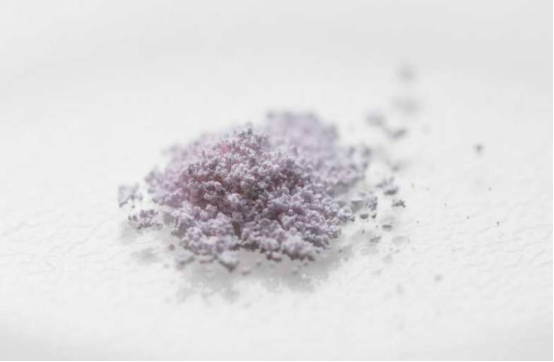
The new method developed by the research team enables the purification of metals such as neodymium or dysprosium from waste neodymium magnets. This environmentally friendly process does not use organic solvents or toxic substances. In water, a novel chelating agent (a molecule capable of binding metal ions) specifically precipitates neodymium from dissolved magnets, allowing easy separation of neodymium from dysprosium and other elements remaining in the solution. The method is also applicable to other rare earth elements in neodymium magnets. This separation process generates no hazardous waste and performs as well as, or even better than, current industrial methods that rely on organic solvents and toxic reagents.
Dr. Kelsea G. Jones, a team member, noted that chemical elements do not lose their properties through repeated processing, making their recycling sustainable and capable of compensating for the shortcomings of traditional mining. This new technology has been patented and holds promise for industrial-scale applications.
Milan Prášil, Director of IOCB Tech Transfer, expressed eagerness to await the results of feasibility studies to move the research from the laboratory to practical applications, believing that through collaboration with investors and business partners, the technology has the potential to impact a wide range of industrial sectors.
Additionally, the research uncovered another significant finding: holmium is used in neodymium magnets for new electric vehicles. The Polášek team reached this conclusion by analyzing electric motor samples from European and Chinese vehicles, though this has not yet been mentioned in professional publications, and most recycling projects do not account for it when processing electric vehicle waste. This discovery is expected to influence other development and recycling projects, potentially extending beyond the automotive industry.