
A research team from MIT and multiple institutions has published an innovative breakthrough in Nature. Inspired by the sucker structure of the remora fish, they have developed a novel mechanical adhesion device capable of long-term attachment to soft surfaces underwater or under extreme conditions, offering new solutions for medical monitoring and drug delivery.
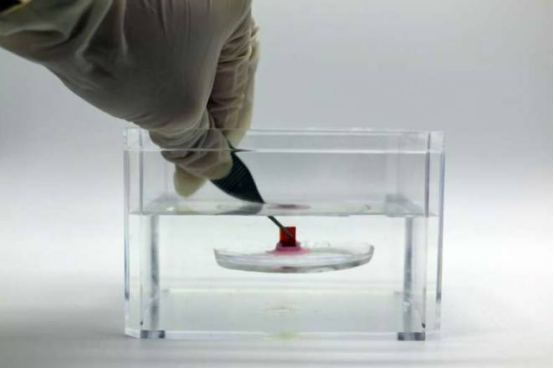
By analyzing the structural features of remora suckers, the team designed a disc-shaped device with multiple rows of lamellae and microneedles. Professor Giovanni Traverso from MIT stated: "Understanding how remoras adhere has helped us establish the design foundation for a synthetic adhesive system." The device uses temperature-responsive materials that activate the microneedle structure at body temperature, achieving mechanical interlocking with tissue.
Experiments demonstrated that the device can achieve long-term attachment on various surfaces, including porcine gastric tissue and fish skin. The researchers showcased three application scenarios: as a gastroesophageal reflux sensor, a sustained-release carrier for HIV drugs, and an RNA delivery platform. In animal trials, the device successfully provided one-week sustained release of cabotegravir and delivered RNA to target cells.
The team plans to further develop the device for vaccine delivery and electrical stimulation therapy. This technology provides innovative solutions for underwater environmental monitoring and gastrointestinal medical applications.