
A research team from the University of California, Los Angeles (UCLA) has published a study in Nature titled "Inter-brain Neural Dynamics in Biological and Artificial Intelligence Systems." This is the first study to confirm that biological brains and artificial intelligence systems develop highly similar neural patterns during social interactions. By comparing mouse social behaviors with interactions among AI agents, the researchers discovered a dual structure of "shared neural subspaces" and "unique neural subspaces" in both, providing a cross-species universal framework for understanding social cognition mechanisms.
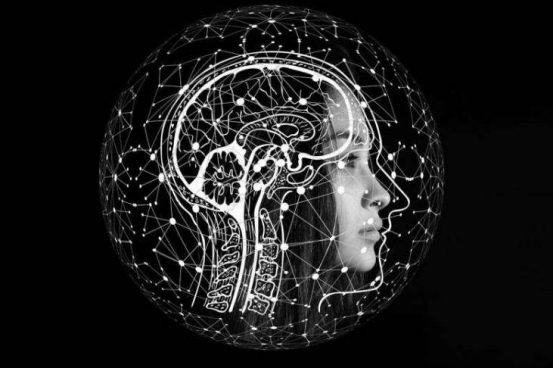
The study was conducted by a multidisciplinary team spanning neurobiology, bioengineering, computer science, and other fields. Researchers used advanced brain imaging techniques to record activity in molecularly defined neurons in the dorsomedial prefrontal cortex during mouse social interactions and developed a computational framework to identify "shared" and "unique" neural subspaces between interacting individuals. The team then trained AI agents to perform social tasks and applied the same analytical framework, finding that as the AI agents' social capabilities improved, similar shared neural dynamics emerged in their networks, mirroring those in biological systems. Further experiments showed that disrupting the shared neural components in AI significantly impaired social behaviors, providing the first causal evidence that neural synchronization patterns drive social interactions.
The study also revealed that GABAergic neurons (inhibitory cells) play a more critical role in promoting social synchronization than glutamatergic neurons (excitatory cells), overturning previous understandings of neuron types. Lead researcher Professor Weizhe Hong stated: "The similarity in neural mechanisms between biological and AI systems indicates that we have identified the underlying principles by which intelligent systems process social information. This not only offers new directions for research into social disorders such as autism but also lays the foundation for developing socially aware artificial intelligence systems." The team plans to extend the work to more complex social scenarios, explore links between disruptions in neural synchronization and social impairments, and develop methods for training socially intelligent AI.