
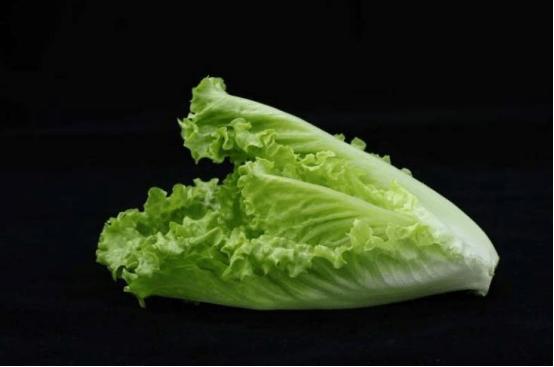
Outbreaks of E. coli in romaine lettuce have long been a major public health concern. Between 2000 and 2020, the U.S. Centers for Disease Control and Prevention's National Outbreak Reporting System documented at least 42 foodborne illness outbreaks linked to romaine lettuce. Nevertheless, romaine lettuce remains highly popular among green leafy vegetables in the United States, where Americans spend the most on it.
A new paper published in Scientific Reports, co-authored by Professor Renata Ivanek of the Department of Population Medicine and Diagnostic Sciences and Professor Martin Wiedmann of Food Safety, points out that combining on-farm efforts with post-harvest technologies can minimize the risk romaine lettuce poses to human health and outlines intervention measures that could realistically impact national lettuce safety.
Wiedmann stated that interventions should focus on reducing produce contamination caused by polluted irrigation water, ensuring that produce washing agents used in processing consistently reduce bacterial loads, and improving temperature control during distribution.
Ivanek said the study aims to help the industry improve and provide consumers with safer products. The first step of the research was to establish an advisory committee of industry leaders to comprehensively describe the system and explain the different risk factors and their interactions.
The research findings show that a significant amount of contamination originates from untreated surface water used for irrigation through overhead sprinkler systems. Risks from irrigation can be reduced by treating the water or switching to furrow or drip irrigation. Ivanek explained that although sprinkler irrigation is not the most common system, it is widely used because of its advantages in crop germination and cooling. However, switching to drip or furrow irrigation can reduce the chance of water directly contacting the leaves, although changing to these systems may impose high additional costs on growers.
In the post-harvest area, the researchers focused on processing facilities. Ece Bulut, a former research assistant in the Department of Population Medicine and Diagnostic Sciences and now a senior analyst for procurement at Walmart, noted that lettuce is harvested and washed in batches. Although there has been considerable research on improving washing processes, there are still knowledge gaps regarding the effective dosage of chemicals and other details of the post-harvest washing process, making it impossible to reduce variations in contact time with washing chemicals.
In addition, Ivanek and her co-authors discussed the importance of maintaining proper refrigeration temperatures for romaine lettuce throughout the entire supply chain until it reaches the final destination. Time and temperature have a significant impact on food safety, quality, and shelf life. If contamination occurs at the farm or processing stage, improper transportation temperatures can lead to bacterial growth and cause serious problems.
Currently, U.S. Secretary of Health and Human Services Robert F. Kennedy Jr. is promoting the "Make America Healthy Again" initiative, encouraging Americans to eat more fresh fruits and vegetables. Many of these, such as romaine lettuce, are often consumed raw without cooking to kill bacteria.
Ivanek stated that the comprehensive practices and interventions explored in this study aim to help policymakers establish and strengthen best management practices for food safety. She emphasized that the U.S. food supply chain is already extremely safe, and this research seeks to explore how to make it even safer and identify areas where greater efforts are needed.