New Zealand Releases Low-Damage Seismic Design Guide to Aid Rapid Building Recovery
Wedoany.com Report on Feb 27th, New Zealand has recently released Volumes 2 and 3 of the Low-Damage Seismic Design (LDSD) guide, providing practical tools for engineers, architects, and building owners. The aim is to design buildings that exceed minimum code requirements and can recover more quickly after an earthquake. Developed by industry experts and jointly funded by the Natural Hazards Commission Toka Tū Ake (NHC) and the Ministry of Business, Innovation and Employment (MBIE), this guide reflects the expectations of New Zealand communities for building resilience.

"While minimum code design protects lives, it does not guarantee rapid recovery," said Professor Ken Elwood, Joint Chief Engineer (Resilient Buildings) for MBIE and NHC. He noted that recent earthquake events have highlighted this gap. For example, in the Canterbury and Kaikōura earthquakes, many buildings achieved life safety but were so severely damaged they became unusable, resulting in families being displaced and schools and businesses being closed for months.
These experiences underscored NHC-funded research showing that New Zealanders expect buildings to suffer less damage and regain functionality faster. The Low-Damage Seismic Design guide fills this gap by providing a clear, practical approach to resilient design. It introduces a voluntary "beyond-code" design framework, allowing building owners to set performance goals and providing designers with a clear path to achieve them.
The LDSD series began with the publication of Volume 1 in 2024. Volumes 2 and 3 build upon this foundation by establishing the performance framework and detailed technical standards. This guide complements TS 1170.5:2025, a new technical specification that provides seismic design loads based on the latest National Seismic Hazard Model. "TS tells us how strong an earthquake could be in different parts of New Zealand, while LDSD shows how to design buildings that can withstand such shaking and recover more quickly," said Elwood.
Low-Damage Seismic Design and TS are voluntary documents that enable design teams to go beyond the minimum design requirements of the building code. LDSD is part of the NHC's Resilient Homes and Buildings Action Plan, which aims to make homes and buildings safer and more resilient.
The development of the Low-Damage Seismic Design guide was led by the Structural Engineering Society New Zealand (SESOC) and reflects years of collaboration among engineers, architects, researchers, and industry leaders. "Congratulations to everyone involved—you have created a resource that could mark a significant shift in how homes and buildings are designed in New Zealand. Better seismic performance is not only crucial for community resilience but, as this guide shows, it is also entirely achievable," added Elwood.
Related Products



Industrial and Commercial Point-Type Gas Detector
Jinan Benan Technology Development Co., Ltd.


Ceiling light | led Ceiling Light | LED Indoor light | LED Ceiling lighting
Queendom Group Technology Co., Ltd.
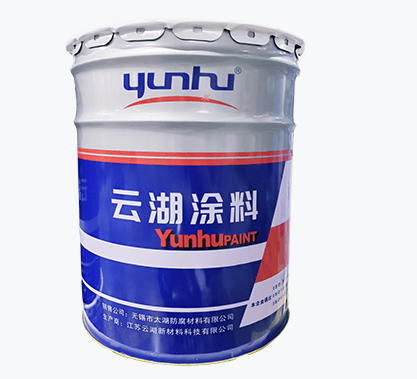
YHTank8400N Solvent-Free Liquid Epoxy Coating
JIANGSU YUNHU NEW MATERIAL TECHNOLOGY CO., LTD.
RISITA explosion-proof air conditioning
Guangdong RISITA Air Conditioning Equipment Co.,Ltd.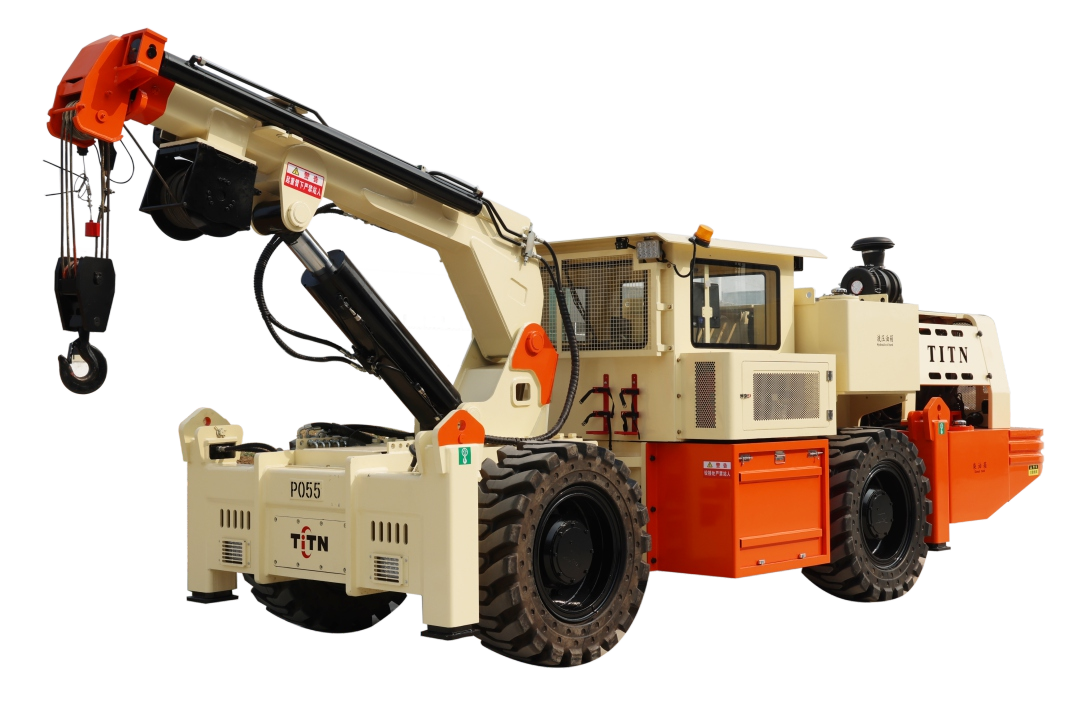
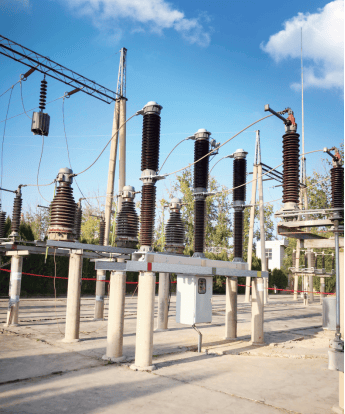
145kV Porcelain Column Type Sulfur Hexafluoride Circuit Breaker
TBEA ZONFA Shanghai High Voltage Switchgear Co., Ltd.