Austroads Releases New Standard for Concrete Barrier Working Width
Wedoany.com Report on Mar 3rd, Austroads has recently released a research report on the working width of concrete barriers, providing clearer safety guidance for infrastructure and roadside design in Australia and New Zealand. The study aims to optimize road barrier systems to enhance protection during heavy vehicle impacts.
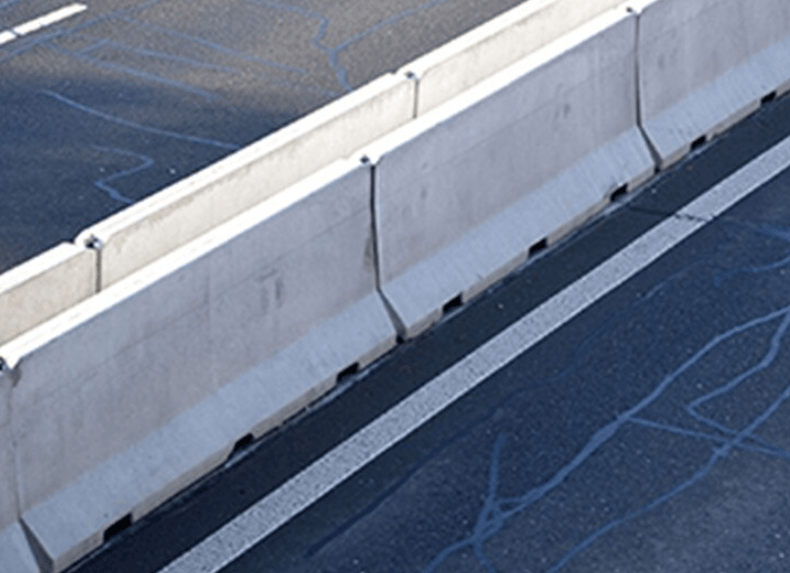
Working width refers to the space reserved behind the barrier to accommodate vehicle movement during an impact. Austroads emphasizes that correctly setting this width can effectively prevent secondary collisions, especially those involving heavy vehicles. The research establishes revised recommended working widths for concrete barriers at test levels TL-3, TL-4, and TL-5, with values adjusted based on barrier height and protection level.
These recommendations consider the behavior of heavy vehicles during impacts and are adapted based on Australia's maximum legal vehicle height. The report also analyzes working width selection for tunnels and low-speed environments, where vehicle behavior differs from open roads. Austroads notes that while environmental factors may influence width settings, understanding the fundamental principles of vehicle intrusion and barrier performance is crucial.
Michael Nieuwesteeg, Austroads Program Manager for Road Safety and Design, stated: "This work provides agencies and designers with a stronger technical basis for determining the required space behind barriers to safely manage heavy vehicle impacts." He added that constrained environments like bridges, tunnels, and high-speed corridors have limited tolerance for error, and the new standard helps optimize design.
The research is based on intrusion zone data within the "Manual for Assessing Safety Hardware" test framework, reflecting the interaction between vehicles and rigid barriers under modern impact conditions. While existing working width values are largely consistent across jurisdictions, Austroads has re-evaluated them using international crash tests and computer simulations that model the distance vehicles travel behind barriers.
Related Products

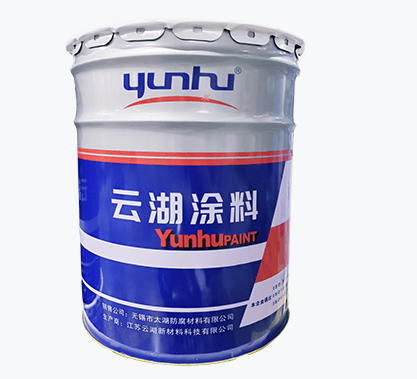
YHTank8400N Solvent-Free Liquid Epoxy Coating
JIANGSU YUNHU NEW MATERIAL TECHNOLOGY CO., LTD.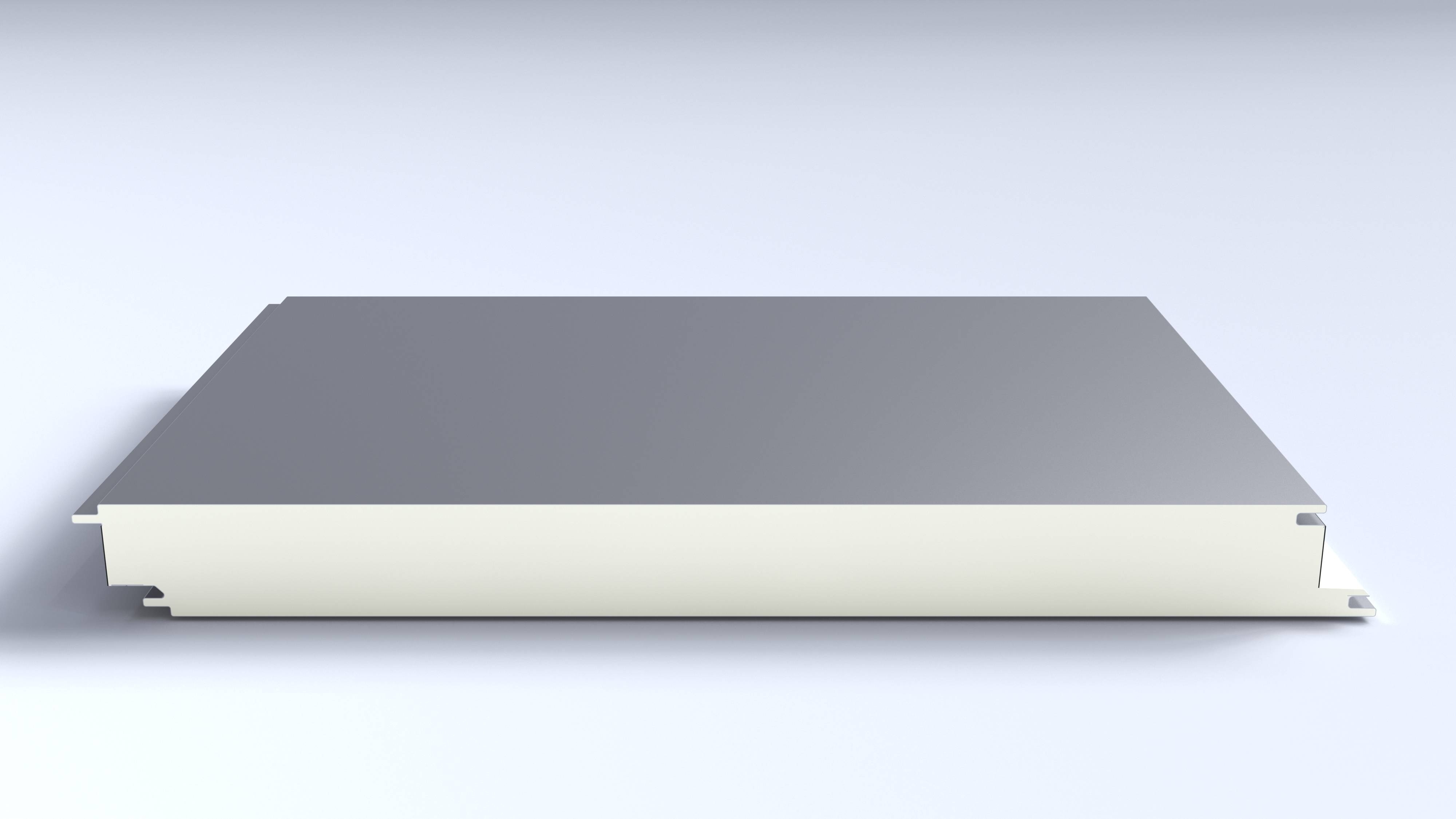
Pure Polyurethane Wall Panel BD-AEF-PIR-01
Baodu International Engineering Technology Co., Ltd.
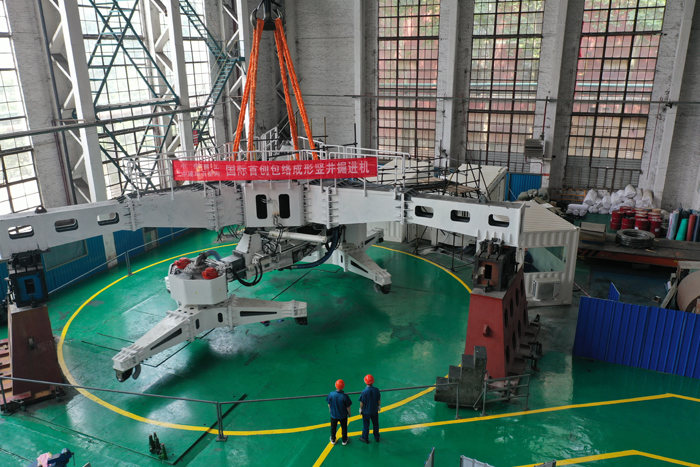
CITIC Heavy Industries Tunneling Equipment Tunnel Engineering Shield Machine
CITIC Heavy Industries Co., Ltd.
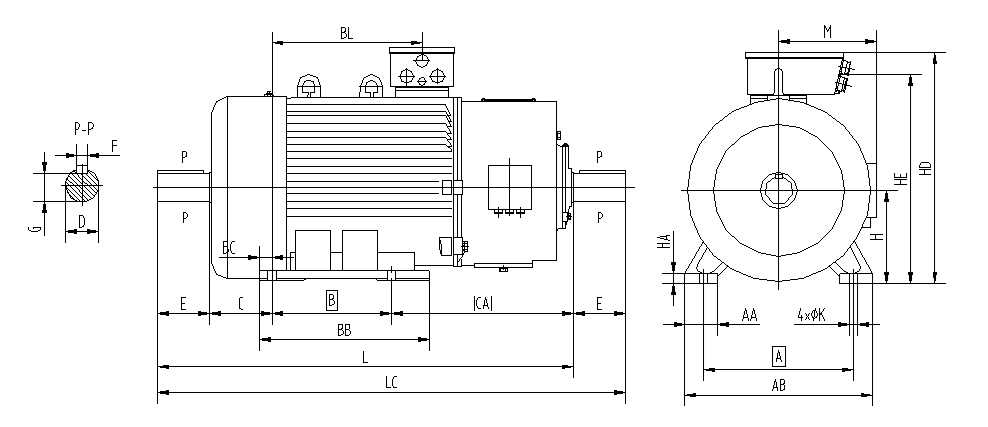
YZR (450-560) Series Wound Rotor Three-Phase Asynchronous Motors for Crane and Metallurgical Applications
Jiamusi Electric Machine Co., Ltd.
300mm Segment Type Countdown Traffic Light (Core Type)
Yangzhou FAMA Intelligent Equipment Co., Ltd.
Industrial and Commercial Point-Type Gas Detector
Jinan Benan Technology Development Co., Ltd.