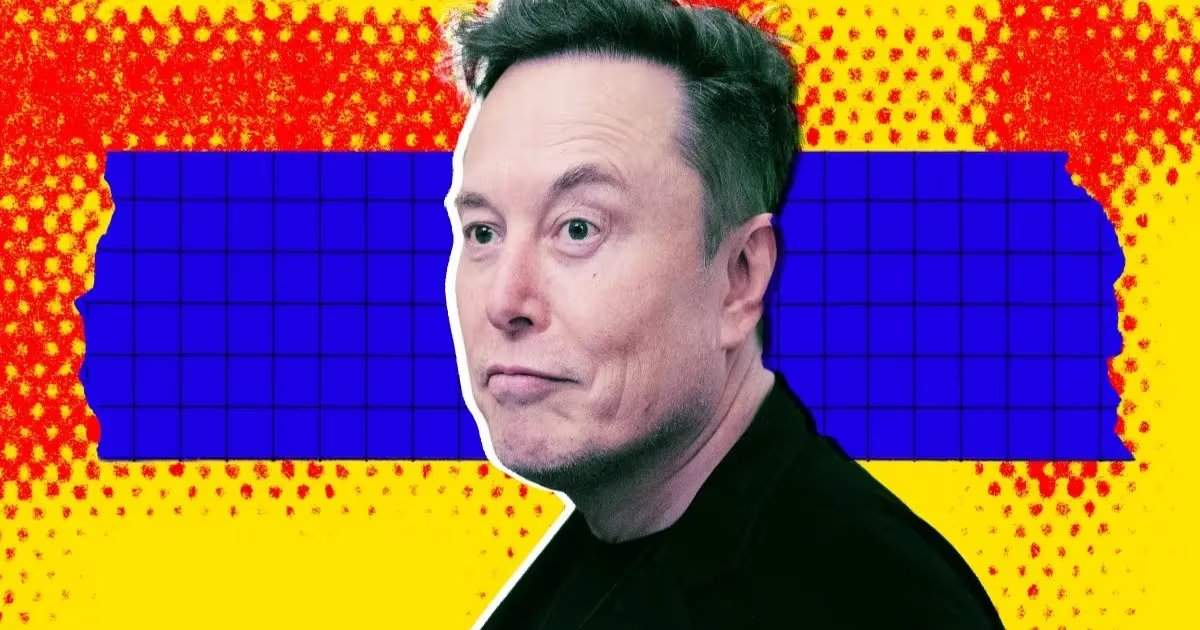
On March 18 local time, Tesla CEO Elon Musk posted on a social media platform, further disclosing the latest progress and performance expectations of the company's self-developed AI chip. Musk stated that the performance of AI5 will far exceed what its specifications suggest, because Tesla's entire AI software stack is dedicated to maximizing the utilization of every circuit, achieving deep co-optimization between AI software and hardware.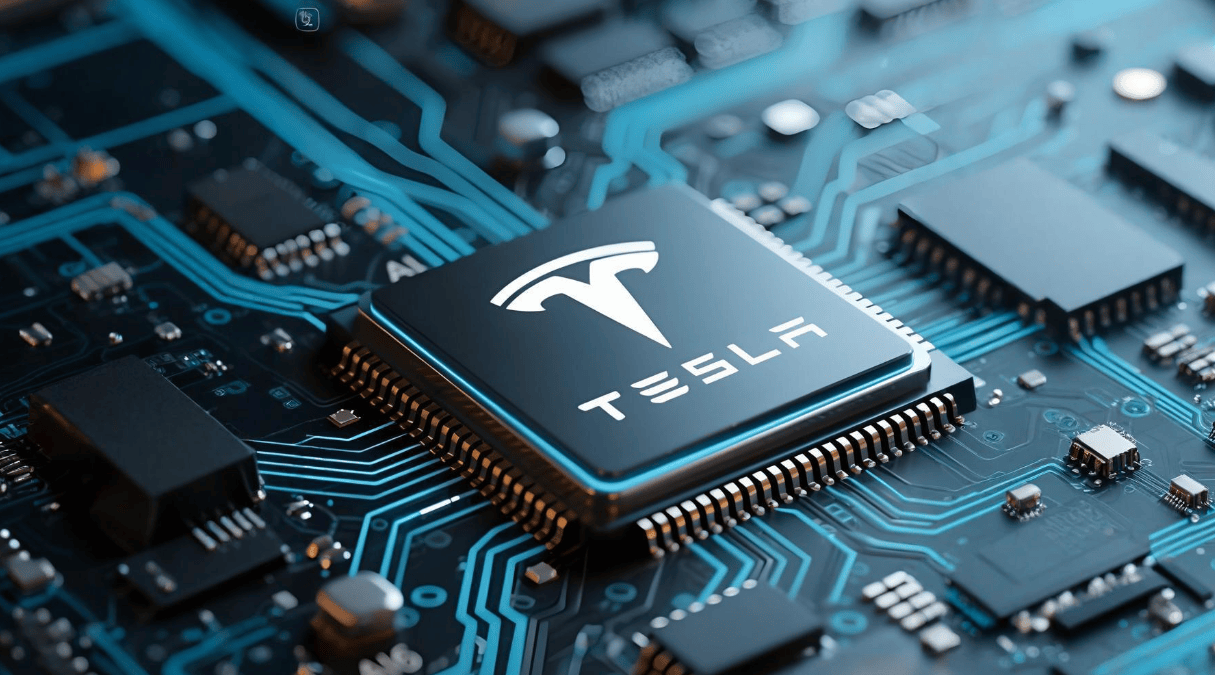
Musk explained that the AI5 chip has been specifically optimized for AI edge computing scenarios in the Optimus humanoid robot and the Robotaxi autonomous driving taxi. This means that AI5's design goal is not general-purpose computing power, but achieving ultimate energy efficiency and real-time response capabilities in specific application scenarios. He also emphasized that AI5 still has significant room for performance improvement, and the co-optimization of software and hardware will continue to unlock its potential.
What drew even more attention was Musk's outlook on the next-generation chip, AI6. He revealed that under the same die area and process node conditions, a single AI6 chip is expected to achieve the performance level of a dual-SoC AI5. This signifies a doubling leap in computational density per unit area for AI6, while also reflecting Tesla's continuous iteration capability in chip architecture design.
The evolution path from AI5 to AI6 reflects Tesla's technical strategy in the field of AI chips: not blindly pursuing leading-edge process nodes, but maximizing computational efficiency under given process conditions through hardware-software co-design. This thinking is consistent with the "engineering innovation" logic Tesla applies in the field of vehicle manufacturing.
Currently, Tesla's self-developed AI chips primarily serve its autonomous driving system and robotics product lines. With the mass production deployment of AI5 and the ongoing development of AI6, Tesla's autonomous control over core computing power will be further strengthened. For competitors relying on external computing power procurement, Tesla's "integrated software and hardware" path is forming an increasingly significant competitive barrier.