St George's Brazil Araxá Project Drilling Intersects High-Grade Rare Earth and Niobium Mineralization
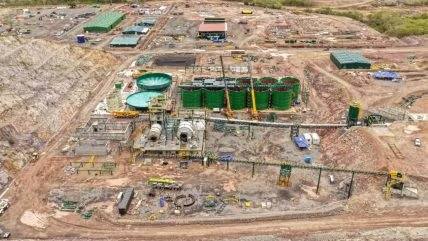
en.Wedoany.com Report on Mar 21st, St George recently announced that its diamond drilling at the Araxá Rare Earth and Niobium Project in Brazil has yielded new high-grade results, further confirming the project's development potential.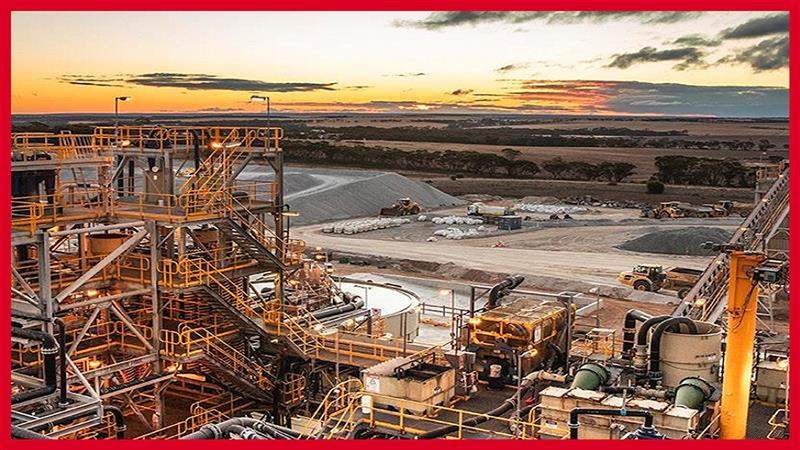
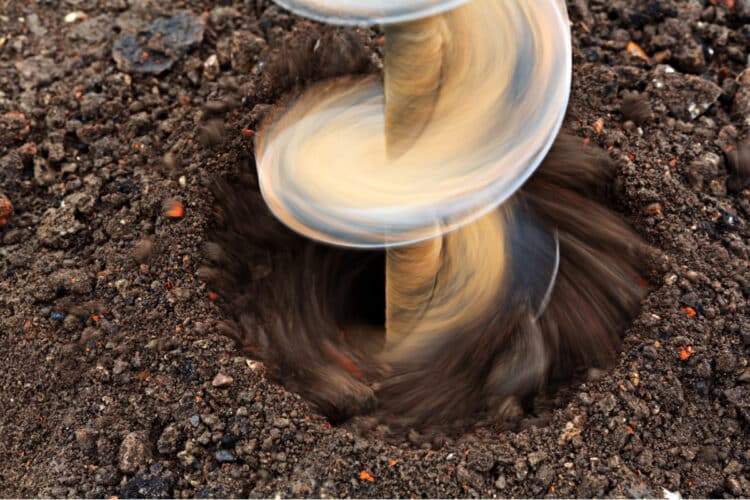
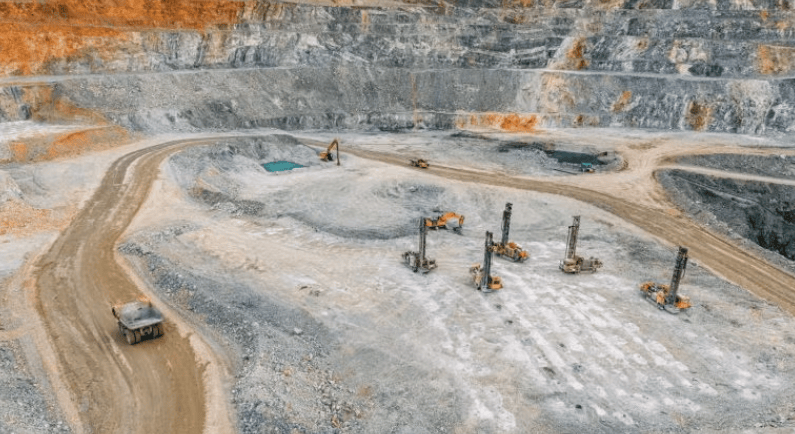
Executive Chairman John Prineas stated that the latest drilling data includes 16 drill holes, revealing thick mineralized zones extending from surface to approximately 160 meters depth. He noted that multiple holes show over 100 meters of high-grade rare earth mineralization, with grades broadly consistent with the company's existing resource estimate.
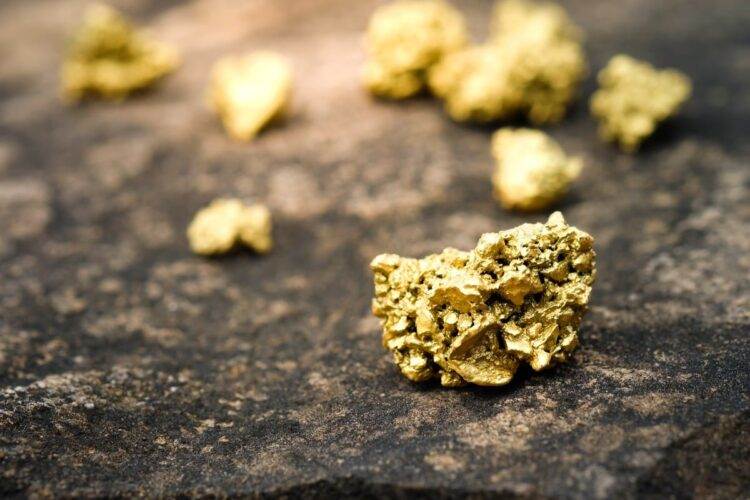
Prineas emphasized that the total rare earth oxide (TREO) grade generally remains around 4%, with significantly higher grades in localized areas. He said the results "in some cases are as high as around 24%," indicating the presence of high-grade zones within the broader mineralized system.
He added that these grades are competitive with global peers, referencing Lynas Rare Earths' Mount Weld mine, which has a similar head grade. Prineas stated this positions the Araxá project as comparable to major global rare earth producers.
In addition to rare earths, the company reported consistent niobium mineralization, benefiting from the project's location within the Barreiro carbonatite complex and proximity to CBMM's operations.
Key developments include: 16 diamond drill holes confirming thick, high-grade rare earth mineralization with zones exceeding 100 meters and peak grades reaching 24%; strong niobium mineralization indications across the entire project area; continued resource growth with more drill results pending incorporation; the project transitioning to the development phase using close-spaced drilling to define reserves; the appointment of Carla Grasso to lead resource modeling and mine planning; and securing Hancock investment support to fund the development pathway.
In a recent interview, Prineas elaborated on project details. He said: "It's been a very positive week for us. The drilling results released today from 16 holes show many with over 100 meters of high-grade rare earths, mostly around 4%, but some areas as high as around 24%. We also see significant niobium content."
When asked about grade comparisons, Prineas responded: "If you look at Lynas and Mount Weld, the head grade is about 4% TREO, which is broadly in line with our data. Our drilling also shows peaks, so the project is internationally competitive."
Regarding the deposit type, he explained: "This is a hard-rock system hosted in carbonatite. The rare earth element mix is similar, enriched in light rare earths and some heavy rare earths. In terms of scale, we are continuously growing – currently around 70 million tonnes for rare earths and about 93 million tonnes including niobium. Lynas has around 160 million tonnes, and we are steadily getting there."
On the project's prospects, Prineas noted: "The previous owner focused on phosphate, but a 2012 study already showed rare earth potential, including a 20-year mine life and a $960 million NPV. We identified this opportunity early and completed the acquisition before the surge in demand for critical minerals."
He also mentioned: "We appointed senior resource geologist Carla Grasso, who has experience with neighboring operations, to lead resource modeling, reserve estimation, and mine planning. The company is now fully focused on project development."
Regarding funding, Prineas stated: "Following the Hancock investment, we are well-funded, which will support the project through to a final investment decision." He added that more development-related updates will be released as the project progresses.
Related Products


Mine Explosion-proof and Intrinsically Safe Industrial Ethernet Ring Network (10 Gigabit/Gigabit)
Chongqing Mas Sci&Tech Co., Ltd.
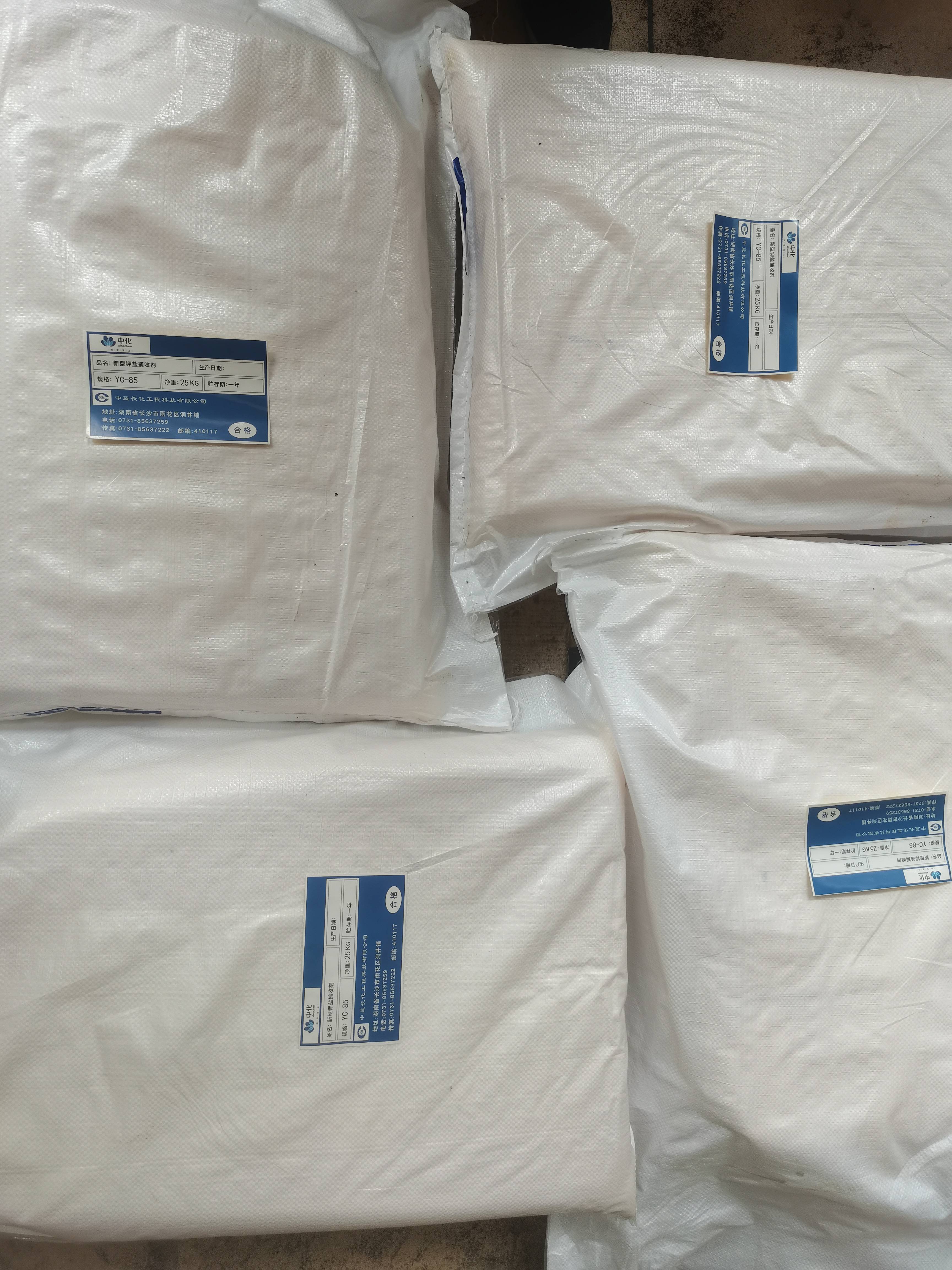
New Environmentally Friendly Green Potassium Salt Collector
Chonfar Engineering and Technology Co., Ltd.

Comprehensive Mining Automation Control System
Beijing Tianma Intelligent Control Technology Co., Ltd.