US SpaceX Unveils Orbital Data Center Plan, Satellite Size to Exceed International Space Station
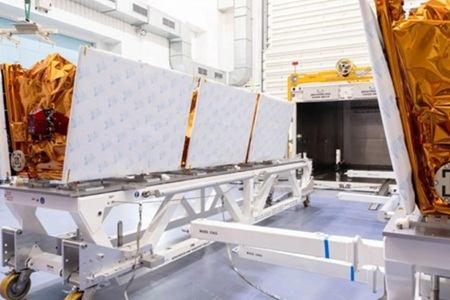
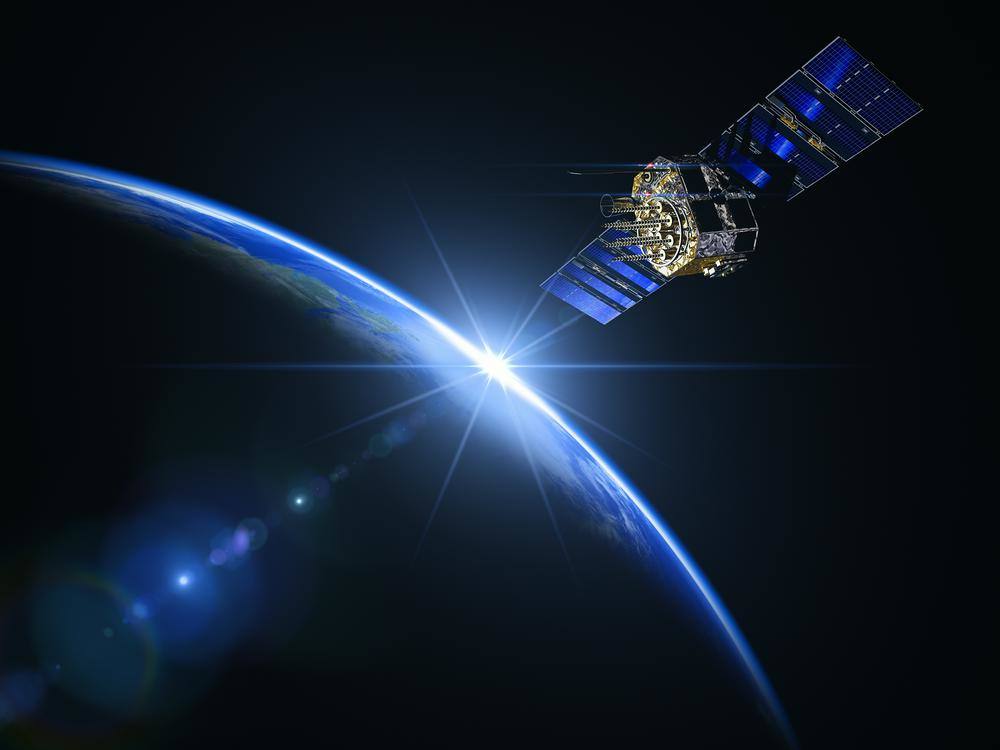
en.Wedoany.com Report on Mar 24th, Elon Musk recently showcased SpaceX's orbital data center plan for the first time, with the size of these satellites expected to exceed that of the International Space Station (ISS). In the presentation, these satellites were equipped with massive solar arrays, their length significantly surpassing the 124.4-meter Starship V3 rocket and the 109-meter ISS.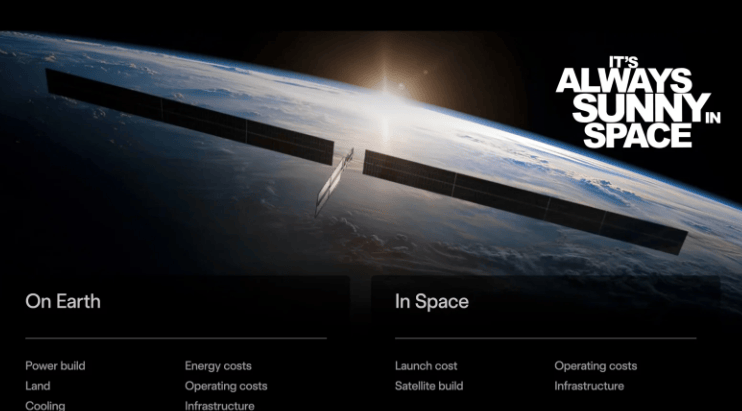
Musk pointed out that these orbital data centers can utilize solar power to fuel AI processing, with the current design offering 100 kilowatts of computing power, and future versions expected to reach the megawatt scale. He mentioned, "We believe this is feasible, as it doesn't require new physics or anything impossible to achieve." SpaceX plans to launch up to one million satellites to build a large-scale AI computing network.
However, space experts and astronomers have expressed concerns. Professor Hugh Lewis from the University of Birmingham in the UK noted that these orbital data centers would require frequent maneuvers to avoid collisions, estimated at around 40,000 times per day. He said, "If the residual collision probability after an 'avoidance' maneuver is not zero, I expect quite a few collisions between active satellites in the constellation." Astronomers also warned of the risk of light pollution, which could affect night sky observations.
The U.S. Federal Communications Commission is reviewing the proposal. SpaceX responded that it would start with small-scale deployments, study environmental impacts, and design the satellites to mitigate brightness. Musk also dismissed cooling concerns, stating, "It's safe to say SpaceX knows how to manage heat in space, as there are 10,000 [Starlink] satellites in orbit."
To support the orbital data centers, Musk announced the construction of the "Terafab" chip factory, planned to produce AI processors in Austin, Texas. He said, "Either we build Terafab, or we have no chips." Despite facing investment and shortage challenges, he optimistically predicted that the cost of space-based AI could become lower than ground-based within the next two to three years. Companies like Blue Origin and Starcloud are also planning similar projects.
Related Products
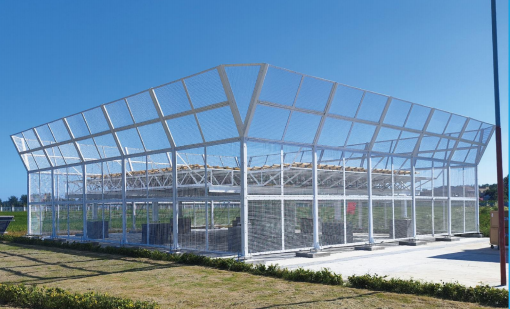

TWP16 P-Band Tropospheric Wind Profile Radar
China Huayun Meteorological Technology Group Co., Ltd.
GYTA Type Non-Self-Supporting Aerial/Duct Optical Cable
TONGDING INTERCONNECTION INFORMATION CO., LTD.

Automatic Aiming Laser Remote Obstacle Removal Robot
Pinggao Group Weihai High-Voltage Apparatus Co., Ltd.


MUX Series Communication Interface Device for Security and Stability Control System
Nanjing NR Electric Co., Ltd.