With the cancellation of export tax rebates imminent, photovoltaic module prices have risen significantly, with leading manufacturers generally increasing prices by 15% to 20%
en.Wedoany.com Report on Mar 26th, The photovoltaic module market has witnessed a significant round of price increases. Leading manufacturers such as Jinko Solar, LONGi Green Energy Technology, Trina Solar, and JA Solar have successively raised their product quotations. The prices of mainstream modules have generally increased by 15% to 20% compared to the previous low point, with some high-power products seeing even higher increases, some as high as 50%.
This round of price hikes results from a combination of cost pressures and a policy window. Zheng Tianhong, a photovoltaic module analyst at Shanghai Metals Market, analyzed that the surge in silver prices is the core underlying reason—the cost of photovoltaic silver paste accounts for a relatively high proportion of the non-silicon cost of cells, and the continuous rise in silver prices has directly pushed up module production costs. At the same time, the adjustment of export tax rebate policies has become an important trigger point. According to an announcement issued by the Ministry of Finance and the State Taxation Administration, the value-added tax export rebate for products such as photovoltaics will be canceled starting April 1, 2026.
The adjustment of the export tax rebate policy means that photovoltaic module export enterprises will face an actual increase in tax costs. During the policy window period, manufacturers have generally chosen to raise prices in advance to absorb future cost pressures. Many interviewees believe that after the policy takes effect, the industry may enter a period of profit recovery. Over the past two years, the photovoltaic industry has been mired in low-price internal competition, with module prices once falling below the cost line, severely damaging corporate profitability. The cancellation of export tax rebates coupled with rising costs will force the industry to shift from low-price competition to value competition based on technology, brand, and service.
In terms of market response, following the price adjustments by leading manufacturers, second- and third-tier enterprises are also following suit. The rise in module prices has put some pressure on the return on investment for downstream power stations, but it has also created room for price recovery for the healthy development of the industry. Industry insiders believe that if this round of price increases can be passed on to the end-users, it will help improve the profitability of the entire industry chain and promote a shift from "exchanging volume for price" to "pricing based on quality."
As the April 1 policy implementation date approaches, the trend of module prices remains uncertain. On the one hand, the acceptance of price increases by downstream power station investors remains to be seen; on the other hand, whether the industry can seize this opportunity of price hikes to complete profit recovery and reshape a healthy competitive order still requires time to test. However, it is certain that the adjustment of the export tax rebate policy has become an important catalyst for the turning point in the price cycle of the photovoltaic industry.
Related Products


Comprehensive Mining Automation Control System
Beijing Tianma Intelligent Control Technology Co., Ltd.
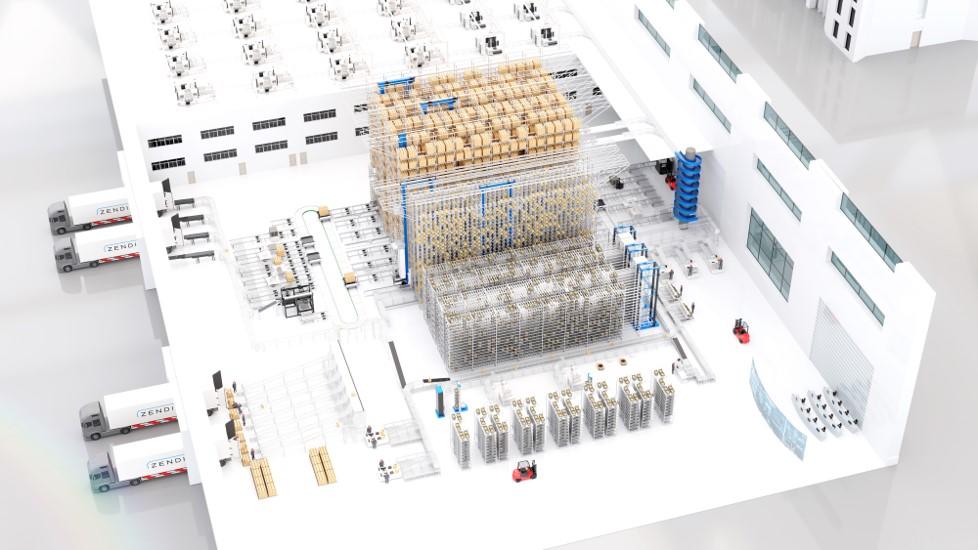
One-Stop Steward Service for the Entire Logistics System Integration Chain
Zhongding Intelligent (Wuxi) Technology Co., Ltd.

Automatic Aiming Laser Remote Obstacle Removal Robot
Pinggao Group Weihai High-Voltage Apparatus Co., Ltd.
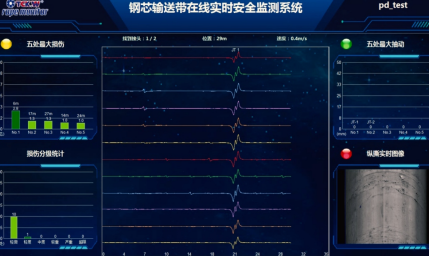
Conveyor Belt Intelligent Monitoring System
LUO YANG WIRE ROPE INSPECTION TECHNOLOGY CO., LTD.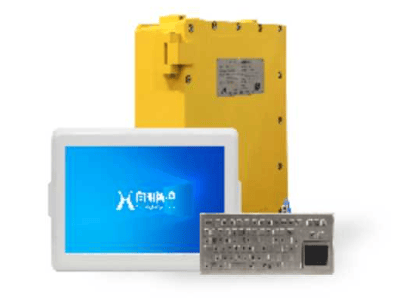
KJD127(A) Mining Explosion-Proof and Intrinsically Safe Computer
Taiyuan Xiangming Intelligent Control Technology Co., Ltd.
G.652.D Wavelength-extended Non-dispersion Shifted Single-mode Optical Fiber
HONGAN GROUP CO., LTD.