U.S.'s Ripik.ai and Switzerland's PSI Drive AI Optimization of Concrete Production
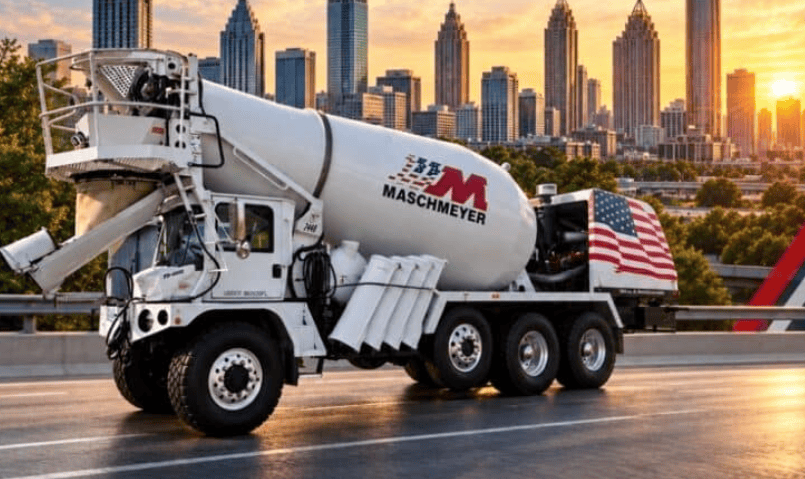
en.Wedoany.com Report on Mar 27th, Artificial Intelligence (AI) is gradually being applied in the concrete industry to enhance production efficiency and sustainability. Industrial AI software company Ripik.ai points out that AI can address challenges such as fluctuations in raw materials and unpredictability of equipment. The company stated: "We are on the cusp of a new era driven by intelligence and innovation." Texas-based MK1 Construction also agrees that AI can provide real-time insights and optimize operations.
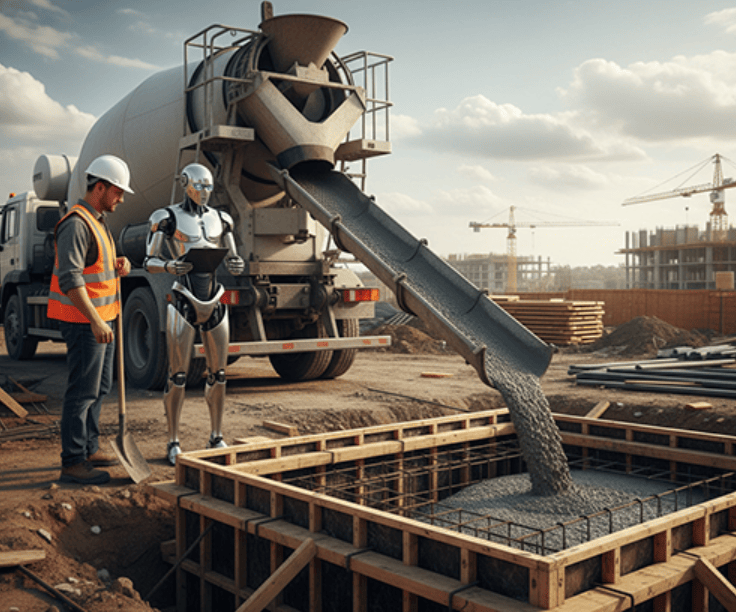
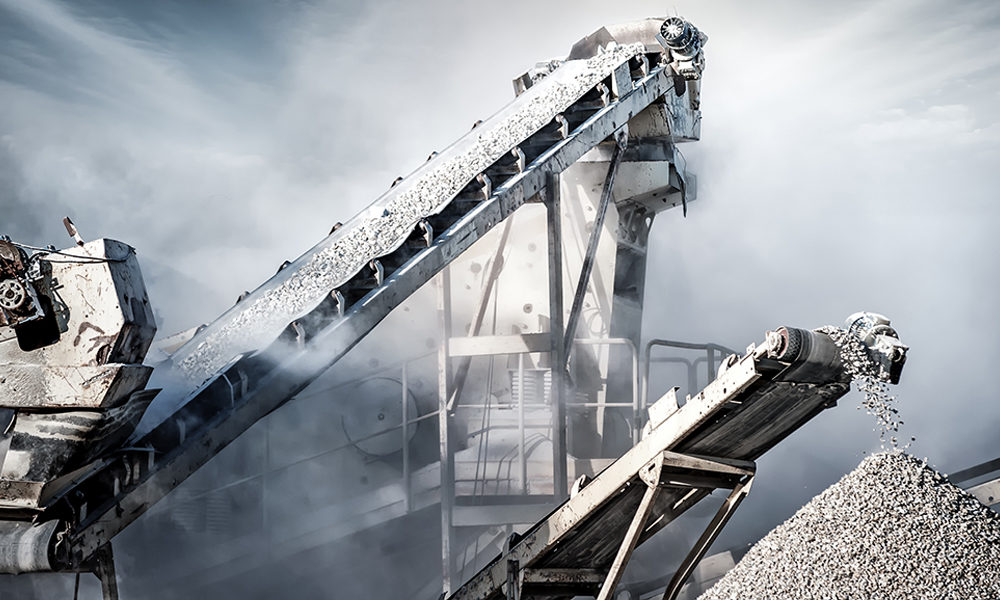
Ripik.ai's Vision AI system has been used to monitor conveyor belts, automatically detect oversized stones, and integrate with control systems to reduce downtime. Researchers at the Paul Scherrer Institute (PSI) in Switzerland have developed AI models to accelerate the exploration of new cement compositions. PSI researcher Romana Boiger said: "We can generate practical formulation suggestions using our model in seconds, rather than testing thousands of variants in the lab." The model calculates formulation performance a thousand times faster than traditional methods.
MK1 Construction mentioned that AI can also be used to optimize mix design and quality control, with AI-guided equipment reducing waste. Craig Yeack, co-founder of the Bulk Construction Materials Initiative, interacted with attendees at the 2026 World of Concrete in Las Vegas. He wrote: "Of the nearly 43 people I approached, none openly opposed artificial intelligence. However, most expressed concerns, perhaps even fear." Smart factory or semi-autonomous production models have been proposed by AI manufacturing platform developer Basetwo, but implementation requires support from professionals. Venture capitalist KP Reddy believes that AI can handle operational tasks but cannot replace human judgment.
Related Products
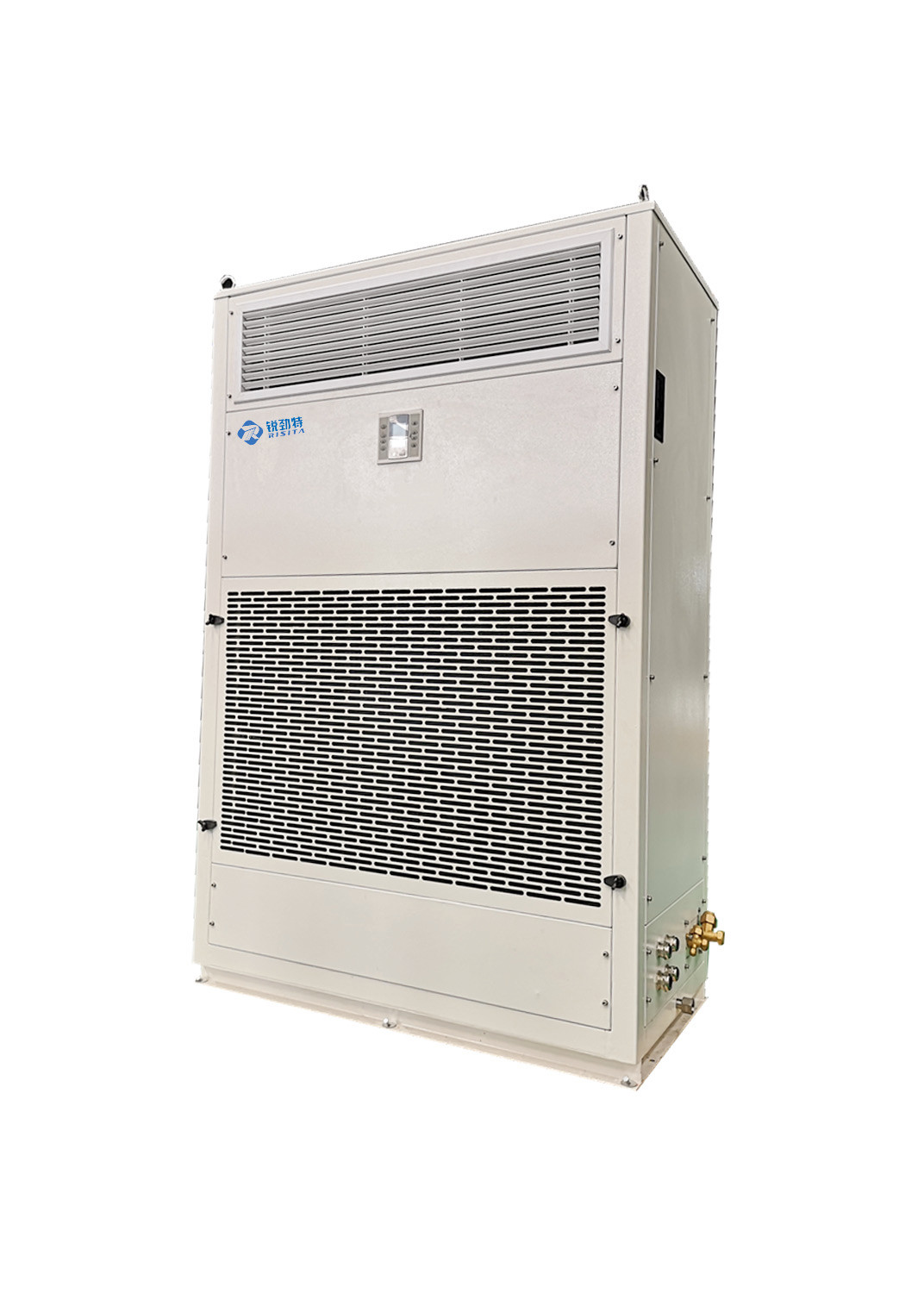

RISITA explosion-proof air conditioning
Guangdong RISITA Air Conditioning Equipment Co.,Ltd.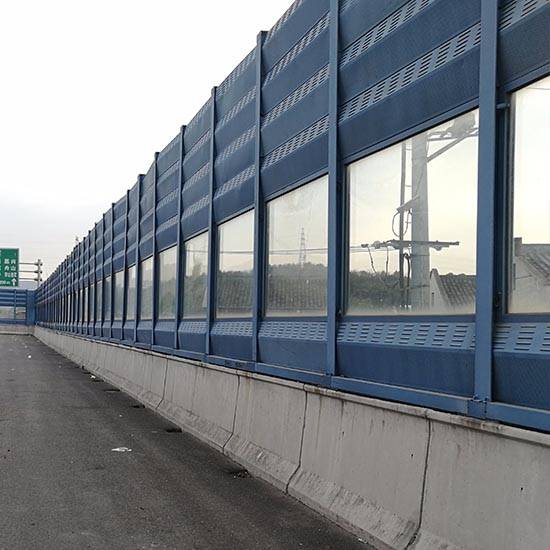
Metal sound barriers that can reduce the transmission of road noise
Hebei Jinbiao Construction Materials Tech Corp., Ltd.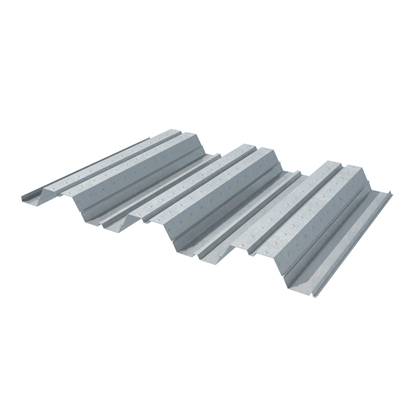
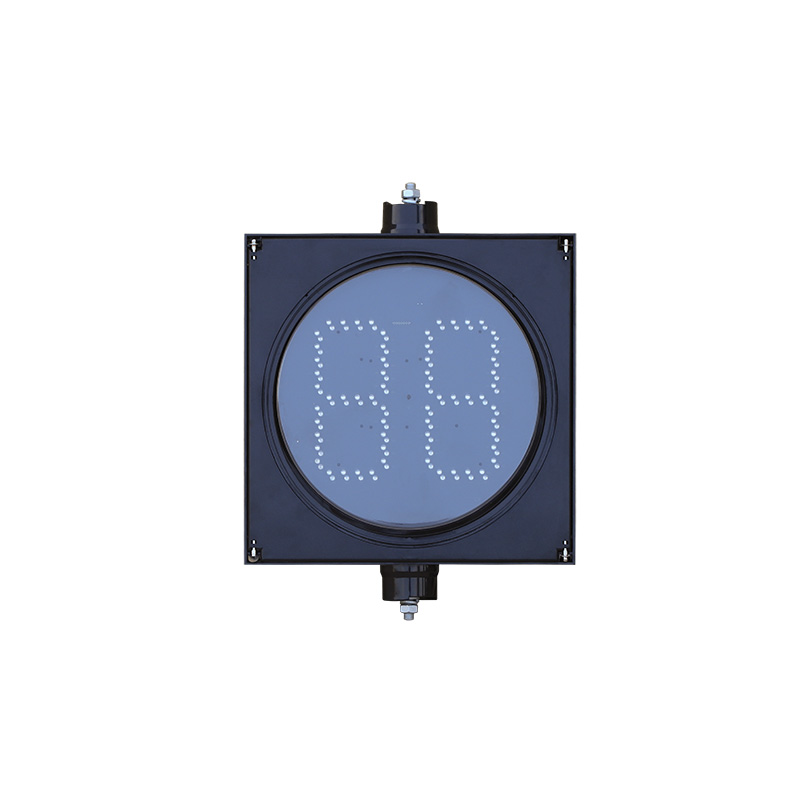
300mm Segment Type Countdown Traffic Light (Core Type)
Yangzhou FAMA Intelligent Equipment Co., Ltd.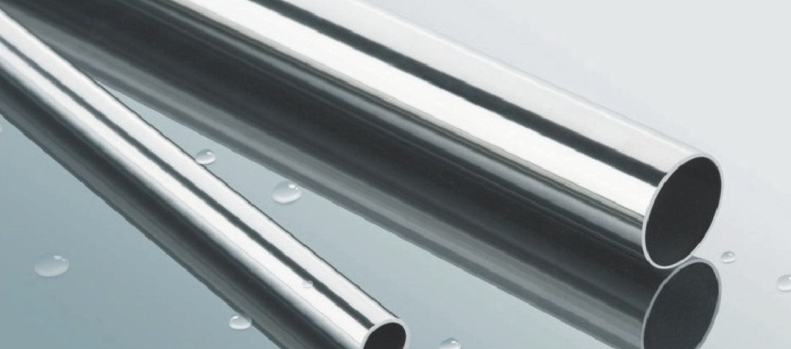
ERW Welded Pipe (Black Pipe and Hot-dip Galvanized Steel Pipe)
Handan Zhengda Steel Pipe Co., Ltd.
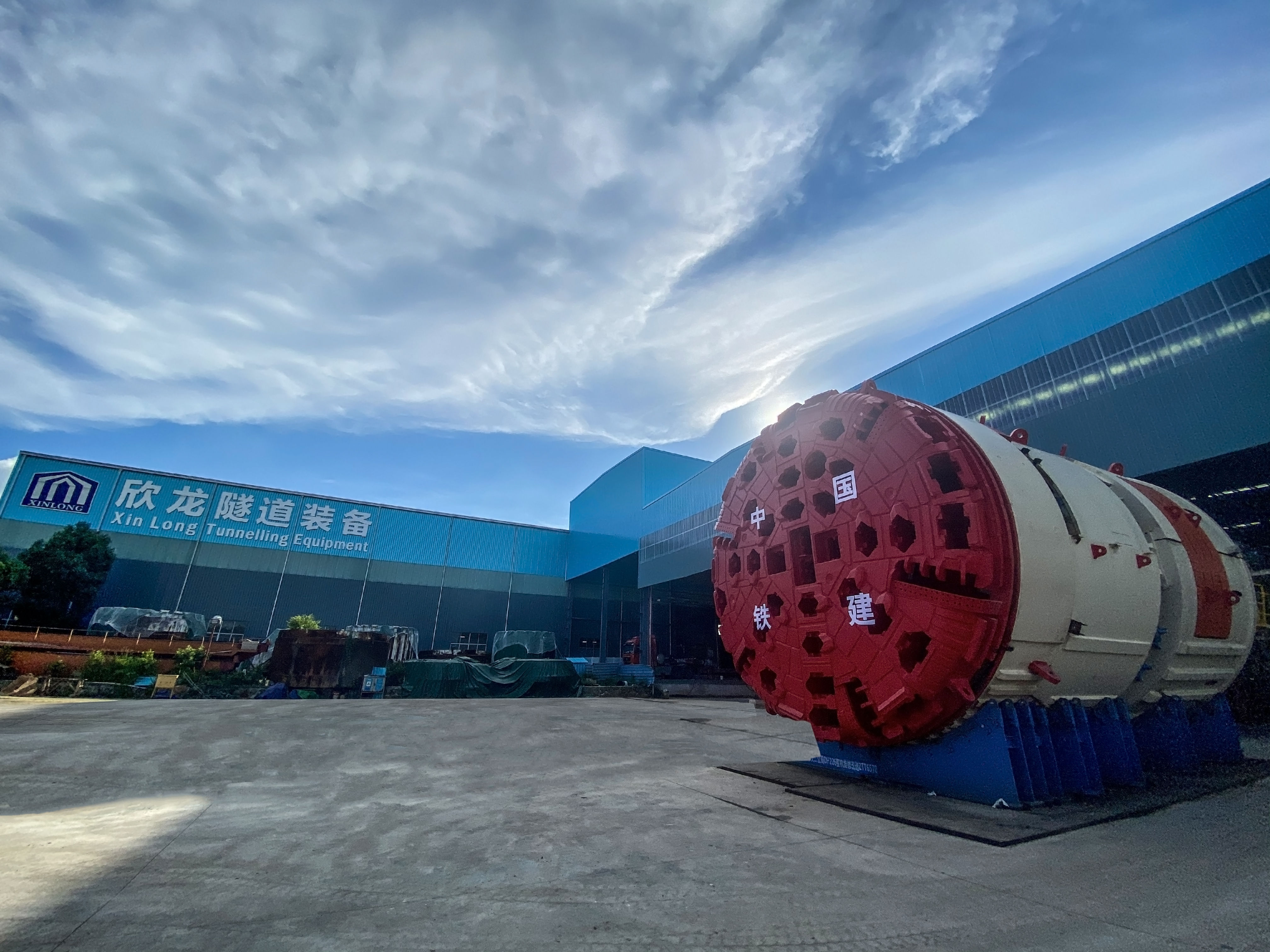
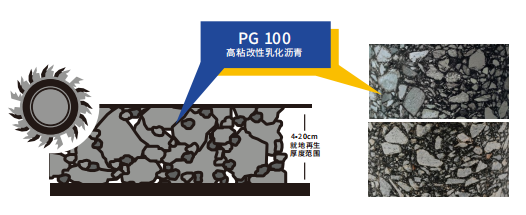
High-toughness in-Situ Cold Recycling Technology for Original Structural Layers
Central Fortune Creation Technology Group Co., Ltd.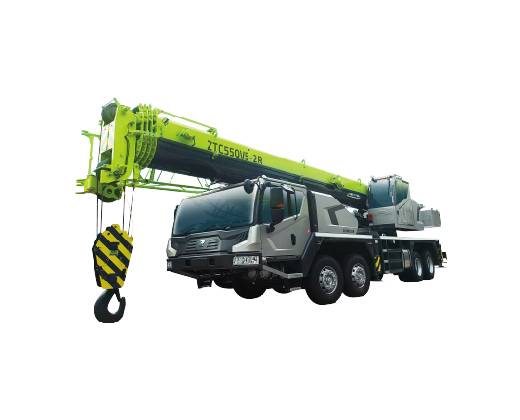

Industrial and Commercial Point-Type Gas Detector
Jinan Benan Technology Development Co., Ltd.