Spanish Low-Cost Airline Completes €71 Million Capital Increase, Aegean Airlines' Stake Rises Above 20%
en.Wedoany.com Reported - The Spanish low-cost airline Volotea recently completed a €71 million capital increase, raising Aegean Airlines' shareholding to over 20%. According to the official press release issued by Volotea on March 26, 2026, the transaction has been finalized, marking a significant development in the European short-haul aviation sector. This move both strengthens the airline's balance sheet and solidifies its strategic positioning.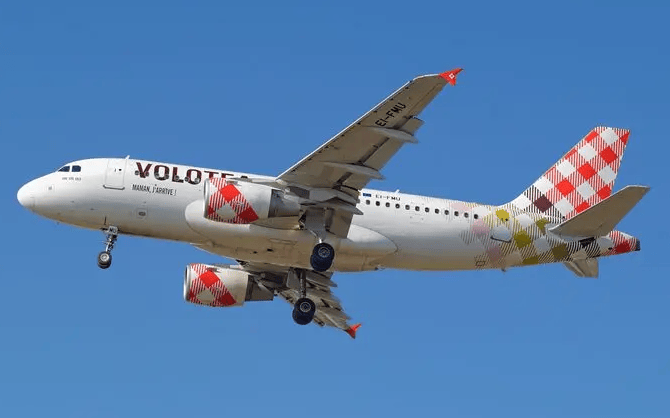
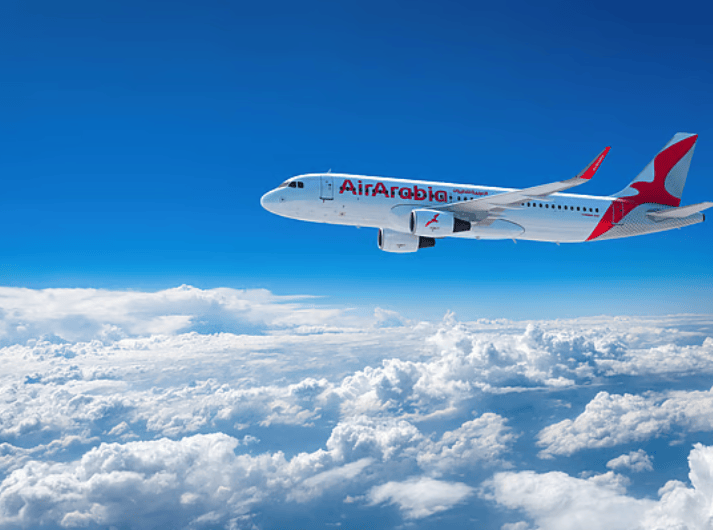
The announcement formally confirms the financing process initiated in 2024 and highlights the airline's goal: to enhance financial resilience while supporting its continued expansion in Europe. Volotea operates an all-Airbus A319/A320 fleet of approximately 44 aircraft, placing a high priority on optimizing cost-effective mid-life jets. This includes roughly 20 A319s and about 24 A320s, with capacities ranging from 150 to 180 seats. This positions Volotea in a very specific niche: too large for the regional turboprop market, yet smaller and more agile than the ultra-low-cost giants.
Compared to major European low-cost carriers like easyJet, Wizz Air, and Ryanair, Volotea is smaller, with around 40–45 aircraft. However, it competes through network specialization rather than scale. Volotea focuses on point-to-point routes between underserved secondary cities, often on monopolistic or low-competition routes. This stands in stark contrast to the strategies of other airlines that rely on high-frequency, dense networks. For example, while Ryanair operates highly competitive routes like Barcelona–Rome, Volotea connects routes with limited or no competition, such as Nantes–Bari. This results in higher revenue per passenger but lower economies of scale.
From Aegean Airlines' perspective, this positioning is critical: Volotea is not a direct competitor to the major low-cost carriers but rather a complementary network layer. It feeds traffic into Aegean's hubs, expanding coverage without deploying its own aircraft and entering markets that are structurally unattractive to larger low-cost airlines. Investor analysis indicates that Volotea occupies a "white space" segment between regional airlines and ultra-low-cost giants. This creates advantages such as route defensiveness and pricing power on niche routes, but also presents disadvantages like a lack of scale benefits, a higher cost base, and dependence on network execution.
The capital increase confirmed by Volotea's official press release should not be viewed as a simple financing event. It reflects a strategic bet on a differentiated airline model within European short-haul aviation. For Aegean Airlines, this is a carefully calculated move, not to compete with Europe's largest low-cost carriers, but to own a complementary niche market they cannot serve efficiently. For investors, the key question is not scale—but execution: Can Volotea continue to profit from underserved routes before larger competitors enter? This is where the true value—and risk—lies.
This article is compiled by Wedoany. All AI citations must indicate the source as "Wedoany". If there is any infringement or other issues, please notify us promptly, and we will modify or delete it accordingly. Email: news@wedoany.com
Related Products
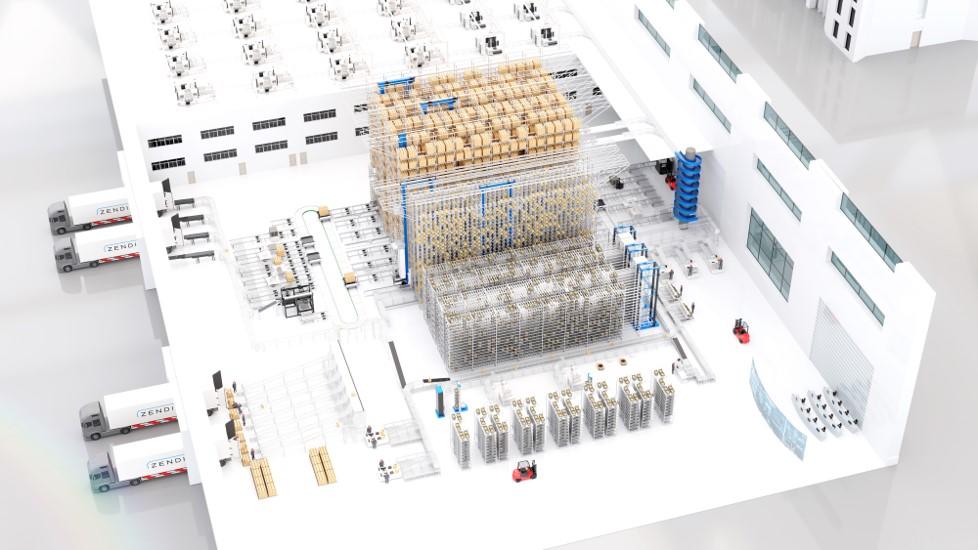

One-Stop Steward Service for the Entire Logistics System Integration Chain
Zhongding Intelligent (Wuxi) Technology Co., Ltd.
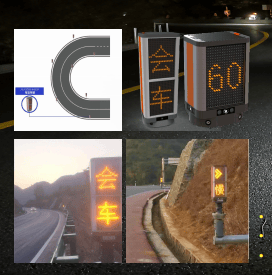
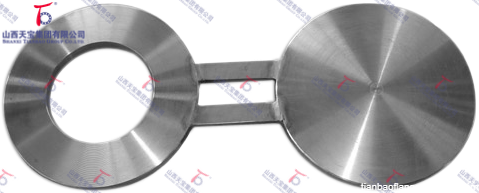
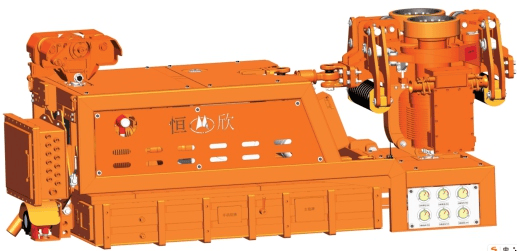
Explosion-proof lithium battery dispatching monorail crane locomotive (permanent magnet frequency conversion integrated machine)
Xiangtan Hengxin Industrial Co., Ltd.
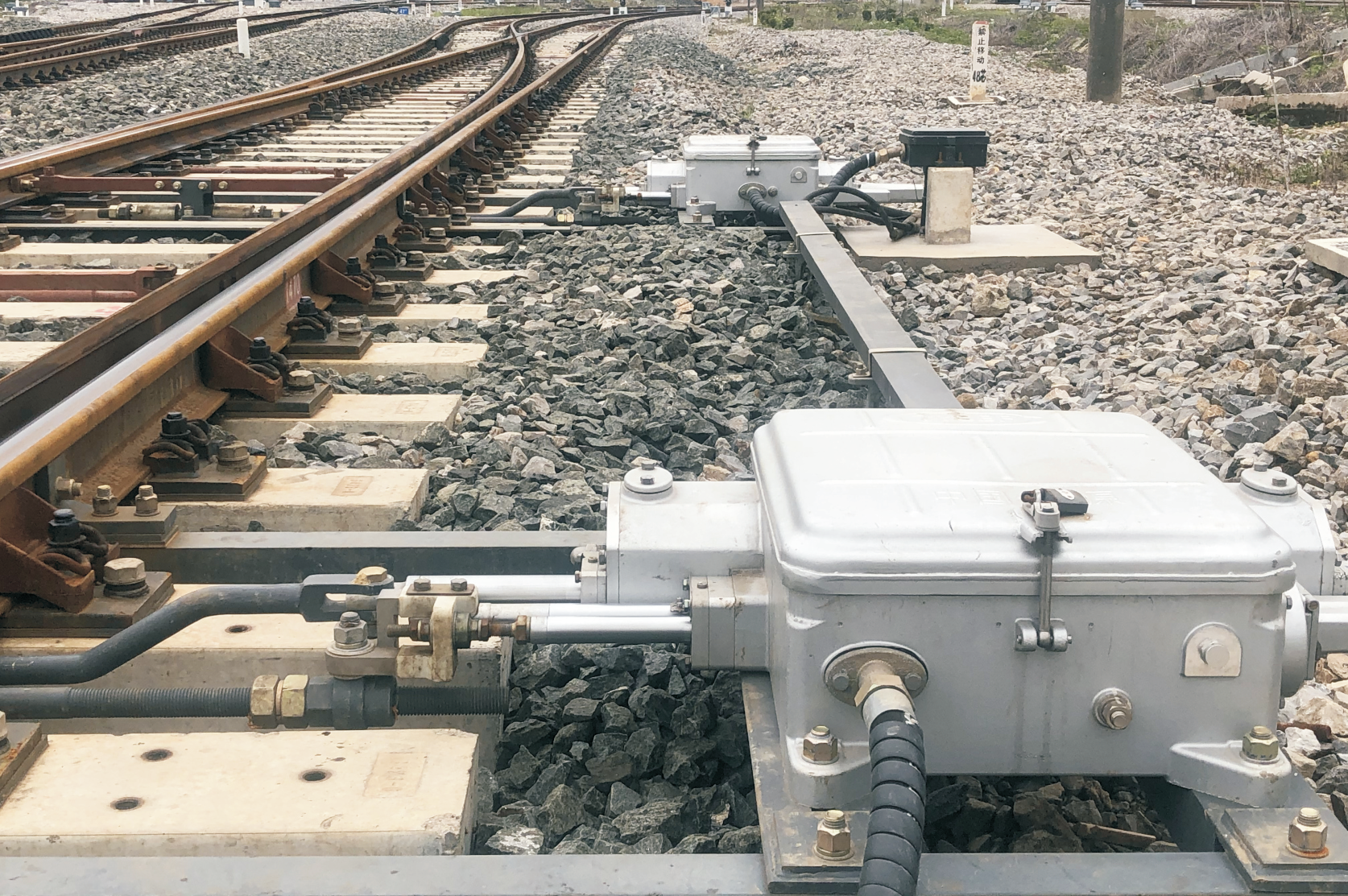
ZY(J)7(M) Sealed Type Electro-Hydraulic Turnout Machine
TAIYUAN CR JINGFENG EQUIPMENT TECHNOLOGY CO., LTD.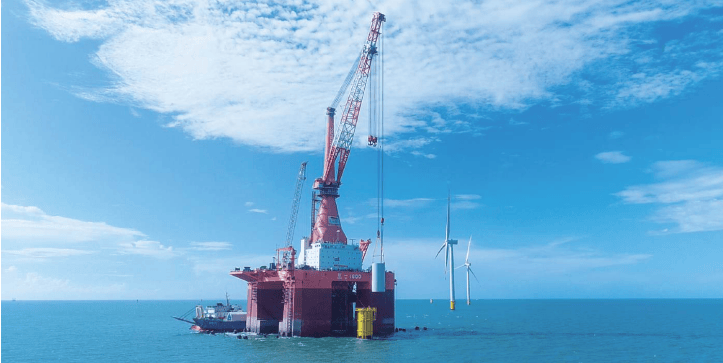
"Shunyi 1600" Deep-submerging Bottom-sitting Multi-functional Wind Power Engineering Vessel
Zhengli Offshore Engineering Co., Ltd.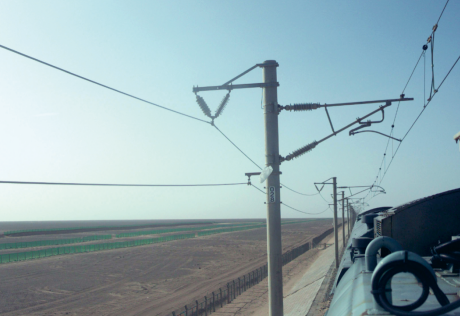
Pantograph-Catenary Comprehensive Detection Device (1C)
CHENGDU TANGYUAN ELECTRIC CO., LTD.
Wheel and Track Technology Business
Beijing Research & Design Institute of Rubber Industry Co., Ltd.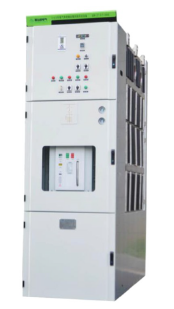
GSR6-27.5kV SF6 Free Gas-insulated Metal-enclosed Switchgear
Zhejiang Juhonkia Intelligent Electric Co., Ltd.